Backyard goats: everything you need to know


Why raise goats in your backyard?
Goats have been companions to humans for thousands of years, providing milk, meat, fiber, and even companionship. For many Americans interested in homesteading or simply becoming more self sufficient, goats are often the next step after chickens. They are smaller and easier to manage than cattle, yet they still provide valuable products that can feed your family and enrich your backyard homestead.
Benefits of goats for milk
One of the main reasons people raise backyard goats is for fresh milk. Goat milk is easier to digest than cow milk for many people because it contains smaller fat globules and less lactose. It also has a naturally creamy texture that makes it excellent for drinking, cooking, and making cheese, yogurt, or soap.
Unlike cows, goats are smaller, require less space, and usually produce just enough milk for a household without overwhelming you. A good dairy goat can produce one to two quarts of milk per day, which is perfect for a family’s daily needs. With even a small backyard, you can enjoy fresh milk without relying on the grocery store.
Benefits of goats for meat
Goats are also an important source of meat in many cultures worldwide. In fact, goat meat, sometimes called chevon, is the most widely consumed red meat in the world. It is leaner than beef and has a unique flavor that many people enjoy.


For small farms or backyards with enough space, raising meat goats is a sustainable way to provide your own protein. Breeds like Boer goats are known for rapid growth and good meat production. Even if you do not plan to raise goats primarily for meat, culling extra males or older animals can still provide your household with homegrown meat.
Goats as natural land managers
Another reason people love raising goats in their backyard is their ability to clear brush and weeds. Goats are natural browsers rather than grazers, which means they prefer shrubs, vines, and woody plants over grass. If you have an overgrown area, a few goats can clean it up quickly and naturally.
This makes them excellent partners in land management. They reduce fire hazards by eating dry brush, control invasive weeds, and turn otherwise wasted plant material into valuable milk, meat, and manure. For homesteaders, this is a win-win solution.
How goats fit into backyard homesteading
Goats contribute far more than food and land clearing. Their manure enriches garden soil, improving fertility and supporting healthy plant growth. Some breeds also provide fiber such as cashmere or mohair, which can be spun into yarn. Beyond their practical uses, goats are social and intelligent animals that bond with their caretakers.
They can be playful, affectionate, and curious, making them enjoyable to keep. Many families with children find that goats add fun and life to their homestead. Kids love to bottle feed baby goats and help with chores, learning responsibility and gaining a connection to their food.
Why goats are worth considering
If you are already raising chickens or gardening, goats are a natural next step. They do require more space, fencing, and attention than smaller animals, but they are still manageable for most backyards in rural or suburban areas. With the right planning, they provide milk, meat, fiber, land management, and joy, all while helping you move toward a more sustainable lifestyle.

Backyard goats are not for everyone, but if you are looking for a versatile, rewarding animal that fits well into homesteading, they deserve serious consideration.
Choosing the right goat breeds
Not all goats are the same. Some breeds are prized for their high milk production, while others grow quickly and provide quality meat. There are also smaller breeds that fit perfectly into backyard settings and dual purpose breeds that offer the best of both worlds. Choosing the right breed for your goals is the foundation of a successful goat keeping experience.
Best goats for milk
If your main goal is to provide fresh milk for your family, dairy breeds are the way to go. These goats are bred specifically for their ability to produce large amounts of high quality milk.
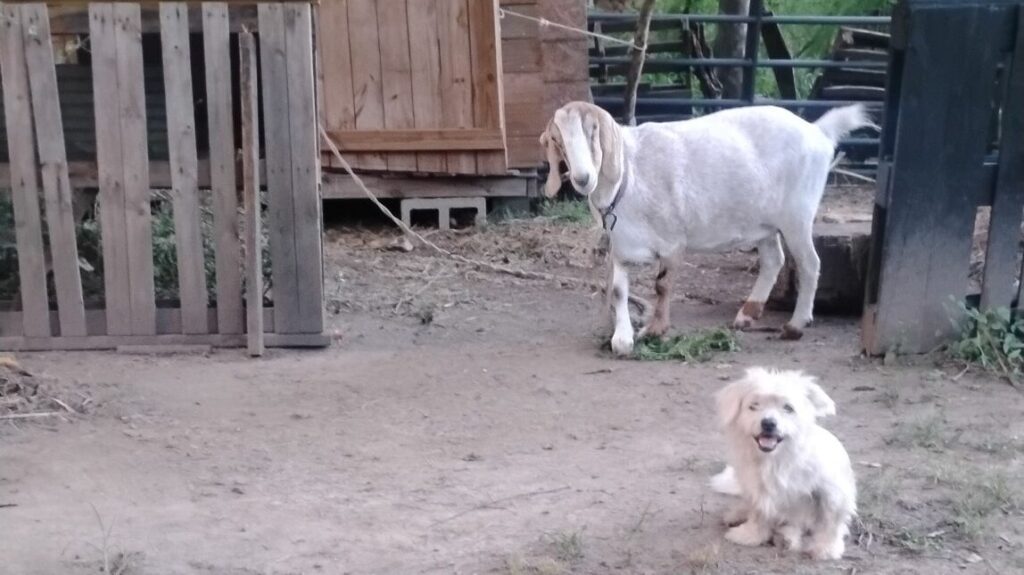
Nubian goats are one of the most popular dairy breeds in the United States. Known for their long floppy ears and gentle temperament, Nubians produce milk with a high butterfat content. This makes it especially rich and creamy, perfect for making cheese, yogurt, or soap. A Nubian doe can produce about a quart to a half gallon of milk daily, which is ideal for household use.
Alpine goats, originally from the French Alps, are another excellent dairy choice. They are hardy animals that adapt well to different climates. Alpines are consistent milkers, often producing more volume than Nubians but with slightly lower butterfat. Their milk is still delicious and versatile for many homestead needs.
LaMancha goats are easy to recognize by their very short ears. They are friendly, calm, and known for steady milk production. Many homesteaders appreciate their manageable size and sweet personalities, making them a good choice for families with children.
Best goats for meat
If your focus is meat production, you will want goats bred for rapid growth and strong bodies.
Boer goats are considered the standard for meat. Developed in South Africa, they are muscular and reach market weight quickly. They are calm, hardy, and efficient converters of feed into meat. A Boer goat can weigh between 200 and 300 pounds, making them one of the largest goat breeds.
Kiko goats, originating from New Zealand, are another strong option. They are known for their resilience and ability to thrive in rugged conditions. Kikos require less intervention and are often chosen by farmers who want low maintenance meat production.
Spanish goats are also used for meat in the United States. They are hardy, adaptable, and often more affordable than specialized breeds. While they may not grow as large as Boers, they still provide quality meat and are valued for their toughness.
Small and dual purpose breeds
For many backyard homesteaders, space is limited. This is where smaller breeds and dual purpose breeds shine.
Nigerian Dwarf goats are one of the best choices for small backyards. Despite their small size, they produce surprisingly high quality milk with very high butterfat, often around 6 to 10 percent. This makes their milk especially creamy and excellent for cheese making. Nigerian Dwarfs are friendly, playful, and easy to manage, making them favorites for families with kids.
Pygmy goats are another small breed often kept more as companions, but they can still provide small amounts of milk and meat. They are hardy, social, and very entertaining, though their productivity is lower compared to Nigerian Dwarfs.
Dual purpose breeds like the Nubian or Alpine are great for homesteaders who want both milk and meat. These goats may not produce as much as specialized dairy goats or grow as quickly as Boers, but they offer balance and flexibility for families who want variety from a smaller herd.
Matching breeds to your goals

When choosing a breed, think carefully about what you want from your goats. If you dream of making cheese, focus on dairy breeds with high butterfat milk. If your goal is a steady supply of meat, choose a meat breed like Boer or Kiko. If you want both, consider dual purpose breeds or mix a small dairy breed with a meat breed in your backyard herd.
Also consider your space, climate, and time. Some breeds are more tolerant of heat, others handle cold better. Some are more docile, making them better for families with children, while others are more independent and require firmer management.
The right goat breed makes the difference between a rewarding experience and constant challenges. Take your time, research local availability, and choose goats that fit your homestead goals and environment.
Housing and fencing for goats
Goats are hardy animals, but they still need proper housing and fencing to stay healthy, safe, and productive. Many beginners underestimate how resourceful goats can be. They are curious, strong, and excellent climbers, which means keeping them contained and comfortable requires some planning.
Shelter requirements and bedding
Goats do not need fancy housing, but they do need protection from wind, rain, and extreme temperatures. A simple three sided shelter is enough in many climates, as long as it provides shade in summer and a dry spot in wet weather. In colder regions, a fully enclosed barn or shed may be necessary during winter months.
Ventilation is more important than insulation. Goats are more likely to get sick from damp, stuffy air than from cold. Make sure your shelter has good airflow without direct drafts at goat level.
Inside, provide clean bedding such as straw, wood shavings, or hay. Bedding should be changed regularly to prevent odor and bacteria buildup. Many homesteaders use the deep litter method, layering fresh bedding over old throughout the season, then cleaning it all out once or twice a year. This creates warmth as the bedding composts naturally.
Each goat needs about 15 to 20 square feet of indoor shelter space. Outdoors, they need much more room to roam, browse, and exercise. Space requirements vary depending on breed, but more space almost always leads to healthier, happier goats.
Fencing solutions to keep goats safe
Fencing is one of the biggest challenges of raising goats. They are natural escape artists and will test weak spots, climb, or push their way out. A good rule is this: if a fence will hold water, it might hold goats.
The most reliable fencing is woven wire that is at least four feet tall, though five feet is better for larger breeds. Electric fencing can also be effective, especially if combined with a physical barrier. Goats learn quickly and usually respect a fence once they get a small shock.
Avoid fences with large openings, as goats can get their heads stuck while trying to reach for plants on the other side. Cattle panels or welded wire with smaller gaps work well. Make sure posts are sturdy and corners reinforced, as goats love to lean and rub against them.
Predator protection is another important factor. Coyotes, dogs, and even bobcats can pose risks to backyard goats in the United States. Secure fencing, locked gates, and strong latches help keep both goats in and predators out.
Space needs for small backyards
Not every homesteader has acres of land, and goats can adapt to smaller spaces if managed well. A pair of Nigerian Dwarf goats, for example, can do well in a large backyard with proper shelter and fencing.
Plan for at least 200 to 250 square feet of outdoor space per goat for exercise and browsing. More is always better, but if your space is limited, you can provide enrichment such as climbing structures, logs, and platforms to keep them active.
Goats are herd animals and should never be kept alone. Even in a small backyard, plan for at least two goats. They will keep each other company, reduce stress, and stay healthier overall.
Why housing and fencing matter
Housing and fencing may not be the most glamorous part of goat keeping, but they are the foundation of success. Without a secure fence, goats will escape and cause trouble in your garden or neighborhood. Without proper shelter, they can become sick or stressed.
Investing time and effort into these basics ensures your goats are safe, comfortable, and productive. A well designed setup also makes your life easier, reducing daily chores and preventing constant repairs.
When you get the housing and fencing right, you can spend more time enjoying your goats and less time chasing them down the street.
Feeding backyard goats

Feeding is one of the most important aspects of goat care. Unlike chickens or rabbits, goats are larger animals with specific nutritional needs. Giving them the right balance of forage, feed, and supplements ensures they stay healthy, productive, and full of energy. Poor nutrition, on the other hand, quickly leads to illness, weak milk production, or poor growth.
Basic diet and nutrition
Goats are natural browsers rather than grazers. This means they prefer to eat shrubs, leaves, twigs, and weeds more than plain grass. If you have brushy land, goats will happily clear it while turning woody plants into milk and meat. In fact, their ability to manage unwanted vegetation is one of the reasons they are so valuable on small farms and homesteads.
The foundation of a goat’s diet is good quality hay. If you do not have enough browse available, hay becomes their main food source. Grass hay works for most backyard goats, but dairy goats benefit from a mix of alfalfa hay because it provides more protein and calcium to support milk production.
Grain is not essential for every goat but can be useful for growing kids, pregnant or nursing does, and meat goats that need to gain weight quickly. Too much grain, however, can cause digestive problems. It is best to offer it in moderation and balance it with plenty of roughage.
Clean, fresh water should always be available. Goats drink more than many people expect, especially when producing milk. A steady water supply is one of the most important parts of goat nutrition.
Supplements and minerals
Goats also need minerals that are not always present in hay or forage. The most reliable solution is a loose mineral mix designed specifically for goats. Blocks are available, but goats often do not consume enough from them. A free choice loose mineral placed in a covered feeder works best.
Selenium and copper are two especially important minerals for goats. Deficiencies can lead to weak kids, poor coat condition, or reproductive problems. Many regions in the United States have soil that is naturally low in selenium, so supplementation is necessary. Always choose minerals formulated for goats, as some cattle or sheep supplements can be harmful.
In addition to minerals, baking soda can be offered free choice to help goats regulate their digestion. They will consume it as needed to prevent bloat, which can be life threatening if not managed.
What not to feed goats
While goats are famous for eating almost anything, the truth is that many foods are unsafe for them. Avoid feeding them plants like azaleas, rhododendrons, yew, and certain ornamental shrubs, as these can be toxic. Large amounts of bread, sweets, or processed human foods are also harmful.
Kitchen scraps such as fruit and vegetable peels are fine in small amounts, but goats should never rely on them as a major food source. Stick to hay, forage, and balanced feed as the foundation of their diet.
Another important point is to avoid sudden changes in diet. Goats have sensitive digestive systems, and abrupt switches can cause serious illness. Always introduce new feeds slowly over several days.
Why proper feeding matters
Feeding backyard goats correctly ensures that they stay healthy, produce quality milk, and grow strong. A goat with the right diet has a shiny coat, good body condition, and plenty of energy. Improper feeding, on the other hand, leads to stress, poor productivity, and expensive vet bills.
For beginners, the key is to focus on high quality hay or forage, provide free choice minerals, keep clean water available, and add grain only when necessary. By sticking to these basics, you will meet nearly all of your goats’ nutritional needs without overcomplicating things.
With the right feeding plan, raising goats in your backyard becomes much more rewarding. Healthy goats mean better milk, healthier meat, and a happier homestead overall.
Goat health and daily care
Keeping backyard goats healthy is one of the most important responsibilities for any homesteader. Goats are hardy animals, but like all livestock, they require regular care, observation, and preventive measures to stay in top condition. By learning the basics of goat health, you can prevent many problems before they become serious.
Common goat diseases and prevention
Goats are vulnerable to a few common illnesses, but most can be managed with good husbandry practices. Respiratory infections, parasites, and digestive issues are among the most frequent problems.
Respiratory infections often occur when goats are kept in damp, poorly ventilated shelters. To prevent them, make sure your barn or shed has good airflow and stays dry. Avoid drafts at goat level, but ensure moisture and ammonia do not build up.
Internal parasites, particularly worms, are another common issue. Signs include weight loss, diarrhea, rough coats, and pale eyelids. Many goat owners use a system called FAMACHA, which involves checking the color of a goat’s eyelids to detect anemia caused by parasites. Rotational grazing, clean bedding, and regular fecal testing help reduce parasite problems. Dewormers are sometimes necessary, but overuse can create resistance, so they should be used carefully and under veterinary guidance.
Coccidiosis is another digestive issue, especially in young kids. Preventing overcrowding, keeping water clean, and practicing good sanitation reduce the risk.
Grooming and hoof care
Goats need regular grooming and hoof trimming to stay comfortable and healthy. Brushing removes dirt, loose hair, and external parasites. It also gives you the chance to check for skin issues, injuries, or lumps.
Hooves grow continuously and need to be trimmed every four to eight weeks. If hooves are left untrimmed, they can curl, trap dirt, and cause pain or lameness. A pair of goat hoof trimmers and some practice make this task straightforward. Trimming also reduces the risk of hoof rot, a bacterial infection that thrives in damp conditions.
Daily care routines
Daily goat care is simple but consistent. Each day, check that goats have clean water, fresh hay, and access to minerals. Walk through their shelter and pen to ensure fencing is secure and bedding is clean. Spending time with your goats is not only enjoyable, but it also helps you notice changes in behavior or appearance that could signal health problems.
Goats are creatures of habit and thrive on routine. Feeding them at the same times each day and keeping their environment stable reduces stress and supports better health.
Breeding basics for beginners
Many backyard goat keepers eventually become interested in breeding. While it is rewarding to raise kids, it also adds responsibility. Female goats, called does, typically reach breeding age at 8 to 12 months. Male goats, called bucks, are fertile earlier, but it is best to wait until they are at least 7 to 8 months old before breeding.
The gestation period for goats is about 150 days, or five months. Most does give birth to twins, although singles and triplets are also common. Birthing, or kidding, usually happens without issues, but it is important to be prepared with clean bedding, a safe pen, and basic knowledge in case assistance is needed.
After kidding, does begin producing milk, which is the main reason many people breed goats. If you plan to milk your goats, prepare by learning about milking routines, sanitation, and equipment.
Why goat health and care matter
Healthy goats live longer, produce better milk and meat, and bring more joy to your homestead. Daily observation, clean shelter, balanced nutrition, and preventive care all work together to minimize illness. By learning the basics early, beginners can avoid many of the common mistakes that lead to expensive vet bills.
Raising backyard goats is not just about feeding and fencing. It is about building a relationship of stewardship, where you provide for their needs and, in return, they provide food, companionship, and land management. With proper care, goats are one of the most rewarding animals to keep on a small homestead.
Costs of raising goats
Before bringing goats into your backyard, it is important to understand the financial side of raising them. While goats are one of the more affordable livestock options, they still come with startup costs, ongoing expenses, and occasional unexpected bills. Knowing what to expect will help you plan wisely and avoid surprises.

Initial costs
The first investment is the goats themselves. Prices vary depending on breed, age, and whether the goat is registered. A Nigerian Dwarf kid might cost between 100 and 300 dollars, while a registered Nubian or Boer could be 400 to 600 dollars or more. Pregnant does or proven milkers usually cost more.
Housing and fencing are the next major costs. A simple shed or three sided shelter can be built with salvaged materials for a few hundred dollars, while a larger barn might cost several thousand. Fencing is often underestimated in both cost and importance. Strong woven wire fencing runs about 200 to 400 dollars per 100 feet, and larger areas require a bigger investment. Electric fencing can reduce upfront costs but may require ongoing maintenance.
You will also need feeders, water buckets, and possibly milking equipment if you plan to keep dairy goats. These supplies are not expensive individually but can add up. Expect to spend several hundred dollars at minimum to set up your goats comfortably.
Ongoing feed and care
Hay is the largest recurring expense. Each adult goat can eat two to four pounds of hay per day, depending on size and production level. In many parts of the United States, hay costs 8 to 15 dollars per small bale. Prices can rise during winter or droughts, so it is smart to buy in bulk when possible.
Grain is not necessary for all goats, but it is often given to kids, pregnant does, and dairy goats. A 50 pound bag typically costs 15 to 25 dollars. Minerals, salt, and baking soda are smaller expenses but still essential.
Healthcare is another ongoing cost. Routine expenses include vaccinations, deworming, and hoof care. Veterinary visits may cost anywhere from 50 to 200 dollars depending on the service. Emergencies, while rare, can be costly. Setting aside a small savings fund for unexpected vet bills is a smart precaution.
Balancing costs with benefits
Goats provide returns that help offset expenses. Dairy goats supply fresh milk, which can be worth hundreds of dollars per year if you regularly buy milk or cheese at the store. Meat goats, when managed well, provide healthy, lean meat that is often more expensive than chicken or beef at farmers markets.
Goats also contribute indirectly. Their manure enriches your soil, reducing the need for chemical fertilizers. Their browsing ability helps manage weeds and brush, saving money and labor on land maintenance. For some homesteaders, goats also generate income by selling kids, milk, meat, or even handmade goat milk soap.
That said, goats are rarely a money making project for small backyard keepers. Most people raise them for self sufficiency, sustainability, and the joy of keeping animals. If you go into it expecting huge profits, you may be disappointed. If you approach it as a rewarding lifestyle investment, the costs feel worthwhile.
The long term view
Over time, goats become less about money and more about value. The startup phase is the most expensive, but once housing and fencing are in place, the main ongoing cost is feed. If you manage hay carefully, supplement with browse, and maintain good health practices, your yearly expenses will become predictable.
For many American families, the cost of raising goats is balanced by the quality of food, the sustainability benefits, and the satisfaction of providing for themselves. While it is not the cheapest hobby, it is one of the most rewarding ways to invest in your backyard homestead.
Step by step plan for raising goats in your backyard
Getting started with goats can feel overwhelming, but breaking it down into a step by step plan makes the process easier. By following a timeline, you can prepare your space, welcome your first goats, and develop routines that keep them healthy and productive.
Month 1: preparing shelter and fencing
Before you bring home any goats, focus on infrastructure. Build or set up a shelter that provides protection from sun, rain, and wind. Even a simple three sided shed with a dry floor works well in most climates. Add clean bedding such as straw or wood shavings.
Next, install strong fencing. Goats are escape artists, so this is not the place to cut corners. Woven wire fencing at least four feet high is standard, though five feet is better for larger breeds. Reinforce corners and gates, and make sure there are no gaps where a goat could slip through.
Gather essential supplies such as feeders, water buckets, and mineral dispensers. By the end of this first month, your space should be completely ready for goats to arrive.
Month 2: getting your first goats
When your setup is ready, it is time to choose your goats. Start small with two or three animals. Goats are herd animals and should never be kept alone.
Visit local breeders or farms and choose healthy goats with bright eyes, smooth coats, and good body condition. Ask about vaccinations, deworming history, and any records of milk production if you are buying dairy goats.
Once home, give them time to adjust. Keep stress low by providing fresh water, hay, and a quiet environment. Spend time nearby so they get used to your presence, but avoid overwhelming them in the first days.
Month 3 to 6: learning care and routines
The next few months are about establishing routines. Feed hay daily, check water buckets, and offer minerals free choice. If your goats need grain, feed it in measured amounts at consistent times.
Begin a regular hoof trimming schedule, usually every four to eight weeks. Watch for signs of illness such as coughing, diarrhea, or changes in appetite. Daily observation is the best preventive care.
This is also the time to handle your goats gently but consistently. Pet them, lead them on a halter, and teach them to trust you. The more you interact, the easier it becomes to manage them for health checks, milking, or grooming.
Beyond 6 months: breeding, milking, and long term planning
Once you have experience with basic care, you can decide whether to expand into breeding or milking. Breeding usually starts when does are around a year old, depending on breed. If you plan to milk, prepare by researching routines, equipment, and sanitation.
Think about your long term goals. Do you want a steady supply of milk for your family, occasional meat, or simply the enjoyment of keeping goats as part of your backyard homestead? Your answer will shape how you manage your herd.
This is also a good time to evaluate your setup. Do you need more fencing? Better shelter? More pasture rotation? Making adjustments as you learn keeps your goats healthier and makes your daily chores easier.
Why a step by step plan works
For beginners, goats can seem like a big leap. By following a clear timeline, you avoid rushing into mistakes. You give yourself space to learn, adjust, and build confidence.
Goat keeping is not about perfection. It is about steady progress and building a relationship with your animals. With each month, you become more skilled, your goats become more comfortable, and your backyard homestead grows stronger.
FAQ
How much space do goats need in a backyard?
The amount of space depends on the breed and how you plan to manage them. A pair of Nigerian Dwarf goats can live comfortably with about 400 to 500 square feet of outdoor space plus shelter. Larger breeds need more, ideally a small pasture or larger yard. More space always makes management easier and keeps goats happier.
Can you raise goats in the city?
This depends on local zoning laws. Some suburban and even urban areas allow small livestock like goats, while others restrict them. Always check with your city or county regulations before bringing goats home. Even if goats are permitted, there may be limits on the number you can keep or requirements for fencing and shelter.
Do you need more than one goat?
Yes. Goats are herd animals and should never be kept alone. A single goat becomes lonely, stressed, and may even get sick from isolation. At minimum, plan for two goats so they can keep each other company.
How much milk does a backyard goat produce?
Milk production depends on the breed. Nigerian Dwarfs give about one quart per day, while larger breeds like Nubians or Alpines may produce up to a half gallon daily. This is usually enough to meet the needs of most families without creating overwhelming surplus.
Are goats hard to care for?
Goats are relatively easy to care for once you establish routines, but they do require commitment. They need secure fencing, daily feeding, clean water, minerals, and regular hoof trimming. With proper housing, good nutrition, and attention to health, goats are manageable for beginners and very rewarding.
At the end
Raising backyard goats is one of the most rewarding steps you can take on your homesteading journey. They provide milk, meat, fiber, and even natural land management, all while being playful, intelligent animals that bring life to your yard.
For beginners, success comes down to preparation. Start with secure fencing and a clean, dry shelter. Choose breeds that match your goals and space. Learn the basics of feeding, hoof care, and parasite prevention. Most importantly, commit to consistency. Goats thrive on routine and attentive caretaking.
The costs can feel significant at first, especially when setting up fencing and shelter, but over time the benefits outweigh the investment. Fresh milk, healthy meat, rich manure for your garden, and the simple joy of raising animals all add up to a lifestyle that is both practical and fulfilling.
Goats are not perfect for every backyard. They require space, effort, and ongoing care. But for those ready to take the leap, they become more than livestock. They become companions, teachers, and essential partners in building a sustainable homestead.
Whether you are dreaming of making your own cheese, clearing brush naturally, or simply enjoying the company of lively animals, backyard goats may be exactly what your homestead needs. Start small, learn as you go, and let these remarkable animals show you just how rewarding backyard farming can be.
Keywords
- Backyard goats
- Raising goats in your backyard
- Goat care for beginners
- Best goat breeds for small farms
- How to raise goats at home
- Feeding backyard goats
- Goat shelter setup
- Goat health basics
- Cost of raising goats
- Small space goat breeds
- Backyard farming with goats
- Goat milk for beginners
- Goat fencing solutions
- beginner goat care