How much land do you need to homestead? Small to large-scale options explained
Do you really need a lot of land to homestead?
When most people picture homesteading, they imagine a wide open farm with barns, pastures, and endless rows of crops. The classic dream is often tied to the idea of a 40 acre spread where a family grows everything they need and lives fully off the land. While that vision is inspiring, it is also intimidating for beginners and not realistic for many families today. The truth is, you do not need dozens of acres to start homesteading.
Homesteading is more about mindset, skills, and lifestyle choices than the exact number of acres you own. In fact, plenty of people practice homesteading in the suburbs, in small backyards, or even on apartment balconies. What matters most is learning to grow food, reduce dependence on outside systems, and live more sustainably.
Breaking the 40 acre myth
Historically, 40 acres became the “ideal” number in the United States because of land grants and settlement patterns in the 19th century. For a pioneer family, that much land was considered necessary to grow crops, raise livestock, and sustain multiple generations. But modern homesteaders do not face the same limitations.
Today, tools, greenhouses, improved crop varieties, and efficient planning allow people to grow far more food on less land. Add in modern conveniences like refrigeration, access to feed stores, and farmers markets, and it becomes clear that full survival farming is not the only goal. Most homesteaders today aim for partial self sufficiency while still benefiting from community resources.
Small land, big results
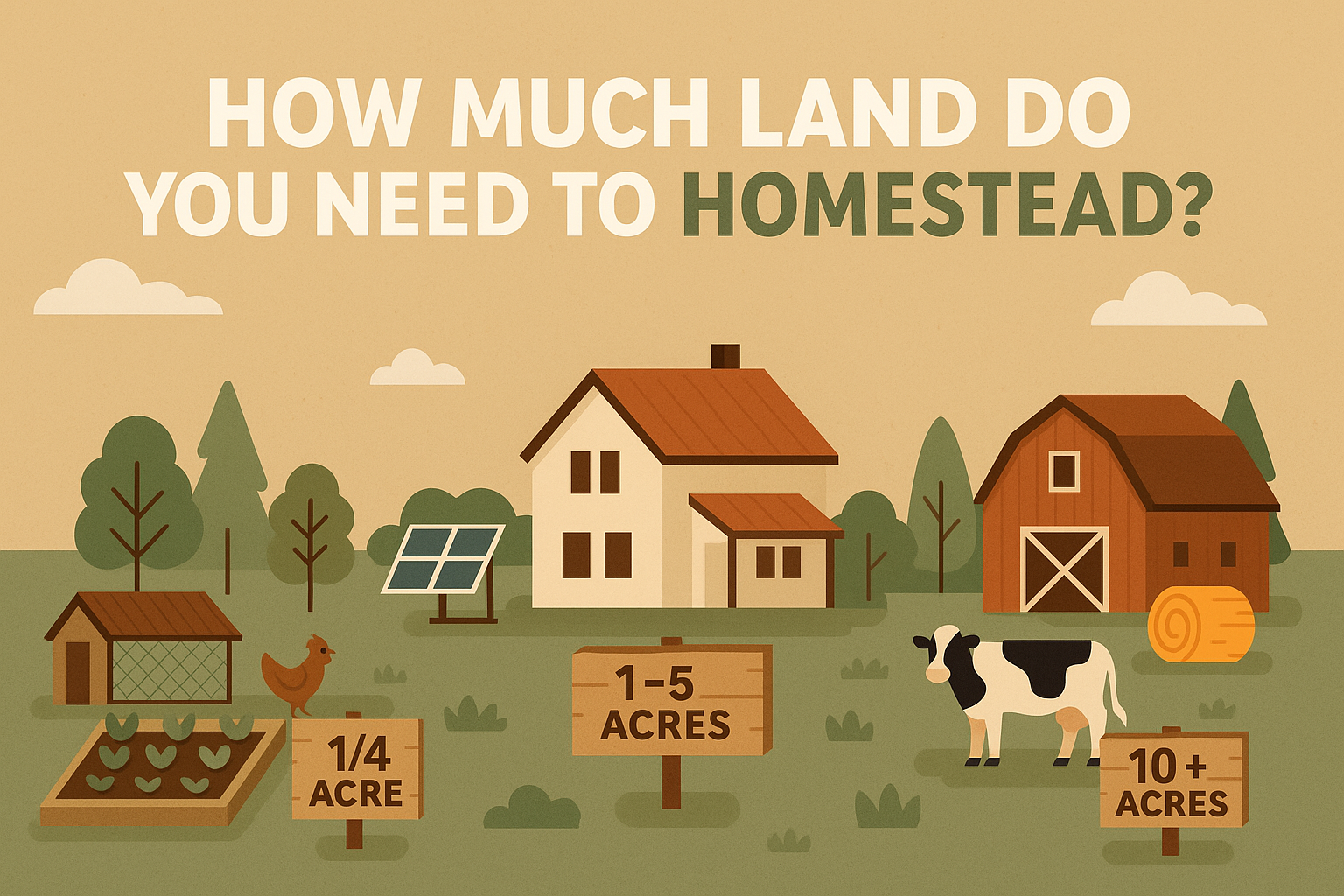
You can grow an impressive amount of food on a small plot of land. For example, a quarter acre backyard can provide vegetables, fruit, eggs, and even small livestock like rabbits or chickens. On a single acre, families can combine gardens, orchards, goats, and poultry to meet much of their food needs.
The key is using space wisely. Raised beds, vertical gardening, container planting, and intensive methods like square foot gardening maximize production. Choosing dual purpose animals such as chickens for eggs and meat or goats for milk and brush clearing adds efficiency.
Focus on planning, not acreage
Instead of asking how much land is required, it may be better to ask how much food and independence you want. Do you simply want to cut grocery costs by growing vegetables and keeping a few chickens? A small yard can handle that. Do you want fresh milk, meat, and enough firewood to heat your home? You may need several acres.
Homesteading is a journey that grows with you. Many successful homesteaders started small, learned basic skills, and expanded when they were ready. Beginning on half an acre can teach you gardening, composting, food preservation, and animal care. Later, if you choose to move to five or ten acres, you will be prepared to manage the larger responsibilities.
Why you do not need a huge farm to start
A common mistake is waiting until you own the “perfect” property before starting. The reality is that homesteading can begin anywhere. Growing herbs on a windowsill, fermenting vegetables in your kitchen, or keeping three laying hens in your backyard are all forms of homesteading.

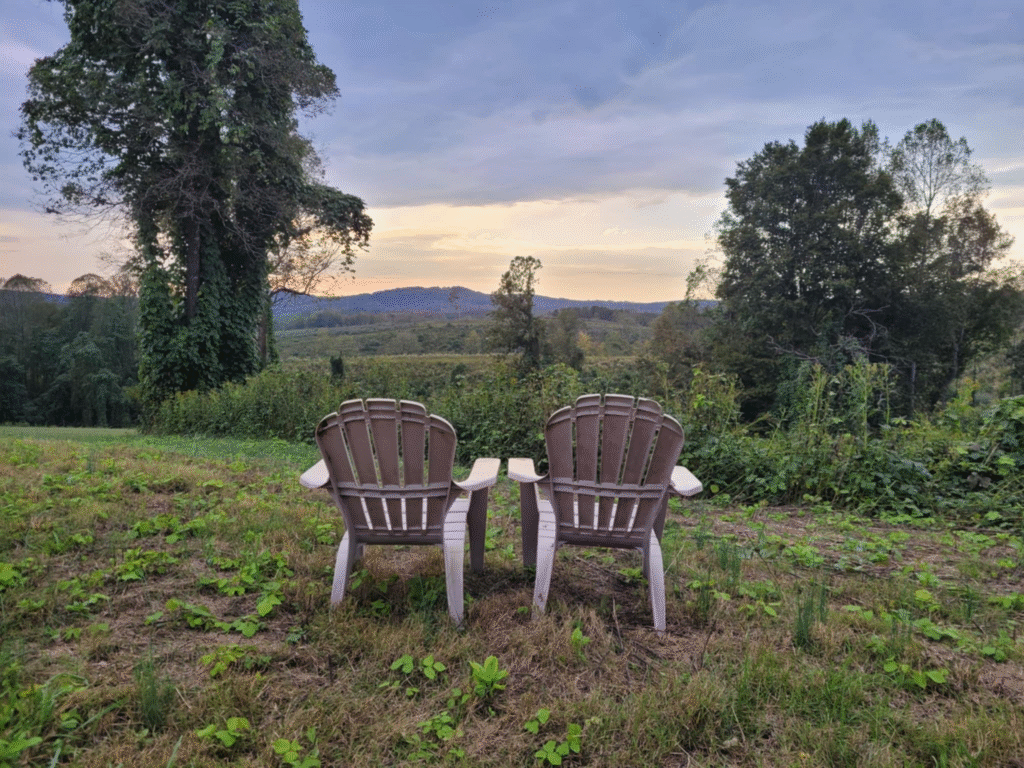
By starting where you are, you build skills and confidence. Then, if you eventually buy larger land, you will already know how to manage gardens, animals, and food storage. Without those skills, owning 40 acres will not automatically make you self sufficient.
Homesteading is not defined by acreage. It is defined by how intentionally you use the space you have, how much you rely on yourself rather than the system, and how committed you are to building a sustainable lifestyle.
Homesteading on less than 1 acre
For many people, the dream of homesteading feels out of reach because they assume they need several acres. The truth is that plenty of families have built thriving homesteads on less than an acre. With careful planning, small space homesteading can supply fresh vegetables, fruit, herbs, eggs, and even some meat. It may not make you 100 percent self sufficient, but it will dramatically reduce your reliance on grocery stores.
Backyard homesteading examples
A suburban backyard of a quarter acre can be transformed into a productive mini farm. Raised garden beds along the fence lines can produce a surprising amount of vegetables. Adding berry bushes, dwarf fruit trees, and grapevines extends the harvest. Chickens fit easily into this space, providing eggs year round and the option for home raised meat.
Some homesteaders even keep rabbits for meat or worms for composting in small backyards. Vertical gardening techniques, such as trellising cucumbers or beans, allow you to make the most of every square foot. Rainwater collection barrels can provide irrigation, reducing dependence on city water.
The point is that you do not need to wait for acreage to begin. A quarter acre lot can be enough to experiment, learn, and feed your family better.
Urban homesteading space hacks
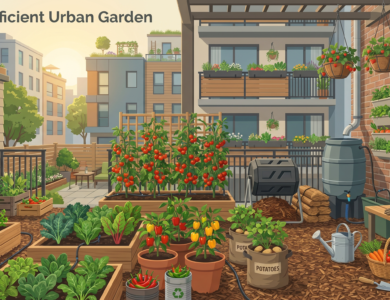
Even if you live in the city, there are creative ways to homestead. Container gardening on balconies, rooftops, or patios can grow tomatoes, lettuce, peppers, and herbs. Indoor grow lights extend your season and make it possible to harvest greens year round.
Community gardens are another powerful option. Renting or sharing a small plot expands your growing space while connecting you to like minded people. Some urban homesteaders raise quail instead of chickens, as they take less space, mature faster, and lay eggs reliably.
Composting food scraps in worm bins or bokashi buckets is another simple practice. It reduces waste while producing fertilizer for your plants. Even in tight quarters, urban families can raise some food, preserve it, and live with more self sufficiency.
What you can realistically grow and raise
On less than an acre, your focus will be on intensive gardening and small livestock. Vegetables such as tomatoes, beans, zucchini, and leafy greens thrive in raised beds or containers. Herbs like basil, oregano, and mint add flavor and can be dried for year round use.
Fruit is possible with careful planning. Dwarf apple, peach, or pear trees grow well in small yards, especially when pruned to stay compact. Berries like raspberries, strawberries, and blueberries also produce high yields in little space.
For animals, chickens are usually the best choice for beginners. A small flock of six hens can provide four to five eggs a day, which adds up quickly. Rabbits are another efficient option for meat in small areas. They reproduce quickly, require little space, and their manure can go straight into the garden as fertilizer.
Quail, ducks, and even bees can fit into small homesteads if local laws allow. Each adds another layer of food production and self reliance without requiring acres of land.
The power of small homesteads
It is easy to dismiss small spaces as not worth the effort, but the opposite is true. Small homesteads teach efficiency, planning, and creativity. Every square foot matters, and that forces you to make better choices about what you grow and raise.
Families who start on less than an acre often find they can grow a surprising percentage of their food. More importantly, they learn the core skills of gardening, food preservation, and animal care. These skills transfer to larger homesteads if they ever move, but even if they do not, the small homestead provides food security, savings, and a sense of independence.
Homesteading is not about the size of the land but about how you use it. Less than an acre is enough to start a meaningful journey toward self sufficiency.
Homesteading on 1 to 5 acres
Once you move beyond a backyard or small urban plot, the possibilities for homesteading expand quickly. With just one to five acres, you can produce the majority of your family’s food, raise small livestock, and even plant orchards. This range of land size is often considered the sweet spot for modern homesteaders. It offers enough space to diversify without becoming overwhelming.
The balance between gardening, animals, and space
On one acre, you can dedicate a portion to intensive gardening while still leaving room for chickens, rabbits, or even a pair of dairy goats. Rotational grazing becomes possible with a little planning, and adding small pastures helps reduce feed costs. By the time you reach three to five acres, you can comfortably keep larger animals like sheep, a small herd of goats, or even a family cow if your zoning allows.
Balancing space is the key. You do not want to fill every corner with animals and then have no room left for crops or firewood. Think of your land in zones: garden space near the house, animals in nearby pens or pastures, and orchards or woodlots on the edges. This layout keeps chores efficient and makes it easier to manage everything day to day.
Example layouts for a 1 acre homestead
A one acre homestead can be designed to support most family needs. Imagine a quarter acre dedicated to vegetables in raised beds and rows. Another quarter acre could host a small orchard with apple, pear, and peach trees, plus berry bushes along the edges. The remaining half acre could be divided between a chicken coop and run, a small goat pen, and open space for storage, composting, and outdoor living.
This setup would allow you to harvest vegetables through much of the year, preserve fruit for winter, collect eggs daily, and even milk goats for cheese and yogurt. With careful planning, you could also raise rabbits or quail to add protein without requiring extra land.
Small acreage homesteading success stories
All over the United States, families are proving that 1 to 5 acres is more than enough to thrive. On two acres in the Midwest, one family grows a market garden, keeps 20 chickens, raises two goats for milk, and sells surplus produce at a farmers market. On four acres in the South, another family manages a small orchard, a flock of laying hens, and a few pigs, providing nearly all of their meat for the year.
These examples show that with smart planning, smaller homesteads can achieve a high level of self sufficiency. They may not produce everything, but they often produce enough to meet core needs while reducing costs and reliance on outside food.
Why 1 to 5 acres works so well
This land size is large enough to allow variety but still manageable for beginners. It gives you flexibility to experiment with different crops and animals without feeling stretched too thin. At the same time, it keeps chores within reach for a single family to handle without hiring extra help or investing in large machinery.
For many modern homesteaders, one to five acres is the perfect balance between sustainability and lifestyle. It allows you to live more independently, grow and raise your own food, and still have time left for work, family, and community.
Homesteading on 5 to 10 acres
When you step up to 5 to 10 acres, your homesteading opportunities expand dramatically. At this scale, you can raise larger livestock, grow staple crops, and create a level of self sufficiency that smaller plots can only partly provide. However, with more land also comes more responsibility, so careful planning is crucial.
Adding larger livestock
With 5 acres, you have enough room to support medium sized livestock such as sheep, goats, or even a family milk cow. A single cow can provide more milk than most families can use, so many homesteaders choose to share with neighbors or make cheese, yogurt, and butter to preserve the surplus.
Pigs are another excellent option at this scale. They require space for rooting and pens, but they can turn food scraps, garden waste, and forage into a large supply of meat. Unlike chickens or rabbits, pigs need stronger fencing, yet they are manageable for most homesteads of this size.
If you are interested in meat birds like turkeys or ducks, you will have plenty of room to raise them alongside laying hens. A diverse set of animals not only provides food but also helps maintain ecological balance. For example, grazing animals help keep pastures healthy, while poultry controls insects.
Expanding food production and orchards
Five to ten acres give you the ability to grow more than just vegetables and small fruit. You can plant a full orchard with apples, peaches, pears, plums, and nut trees. Once established, orchards provide reliable harvests for decades, making them one of the best investments for long term self sufficiency.
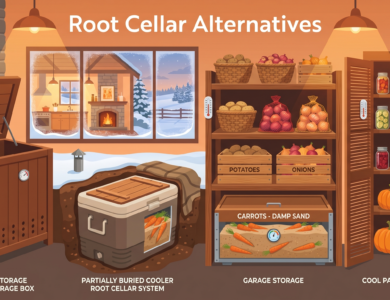
This amount of land also allows for staple crops such as corn, wheat, or potatoes. Growing these staples requires more space than vegetables, but they dramatically increase your ability to feed your family year round. Combined with food preservation methods like canning, drying, and root cellaring, these crops form the backbone of a sustainable diet.
Storage, firewood, and sustainability
Homesteading is about more than food. On 5 to 10 acres, you can designate areas for storage and long term sustainability. A small woodlot can provide firewood for heating, building materials, or even small scale lumber production. Having your own fuel source reduces costs and provides energy security, especially if you are pursuing off grid living.
Space for barns, workshops, or equipment storage also becomes practical. Instead of squeezing everything into a backyard shed, you can spread out and create dedicated spaces for tools, animal feed, and preserved food. This makes your homestead more efficient and less cluttered.
Managing resources and avoiding overwhelm
While more land brings freedom, it also brings challenges. Larger plots require more fencing, more maintenance, and more time to manage. Mowing, planting, harvesting, and animal care all scale up as your land size grows. Without a clear plan, you can quickly feel overwhelmed.
To avoid this, start by focusing on one or two major projects each year. For example, in the first year, you might set up a dairy cow and a large garden. In the second year, expand into pigs and a small orchard. By building gradually, you avoid burnout and give yourself time to learn new skills.
Many families find that 5 to 10 acres is the upper limit they can handle without outside help. Beyond this, larger equipment or hired labor may become necessary. That is why this size is often considered the “sweet spot” for homesteaders who want to be mostly self sufficient while still managing everything themselves.
Why 5 to 10 acres is ideal for many
This land size allows you to keep a variety of animals, grow staple crops, and build long term systems like orchards and woodlots. It supports nearly complete self sufficiency while still being manageable for a family. With good planning, 5 to 10 acres can provide food, energy, and security without requiring the infrastructure of a commercial farm.
For beginners who dream of full self reliance, this scale offers the best combination of potential and practicality. It is large enough to live the homesteading dream yet small enough to remain personal, flexible, and family centered.
Homesteading on 10+ acres
Once you cross the threshold of 10 acres, you move from small scale homesteading into something closer to a working farm. With this much land, full self sufficiency becomes possible, at least in theory. You can raise multiple types of livestock, grow staple crops in quantity, and produce enough food to sustain a large family year after year. However, bigger is not always better. The advantages are real, but so are the challenges.
Full self sufficiency potential
Ten or more acres give you the opportunity to design a homestead that covers nearly all your family’s needs. You could raise dairy cows for milk and cheese, beef cattle for meat, pigs for pork, and poultry for eggs and additional protein. Rotational grazing becomes much easier with this amount of land, allowing pastures to recover naturally and reducing feed costs.
With large open fields, you can also grow grains like wheat, oats, or corn. Adding root crops such as potatoes or sweet potatoes provides calorie dense staples that store well for winter. Orchards and nut trees can supply fruit and protein for decades once they mature.
In essence, 10 or more acres give you the raw resources to create a homestead that not only sustains your family but also produces a surplus. That surplus can be sold, traded, or shared within your community, making you less dependent on outside systems.
Benefits and challenges of larger land
The benefits of having more land are obvious: more space, more flexibility, and more long term security. You can separate different areas for gardens, livestock, orchards, woodlots, and living space without feeling cramped. You also gain the ability to expand over time. If you want to experiment with bees, add a greenhouse, or start producing lumber, you will have room for it.
But with more land comes more responsibility. Fencing ten or twenty acres is a significant expense and labor project. Pasture management requires careful planning to avoid overgrazing. Large fields demand more equipment, whether it is a tractor, plow, or irrigation system. What you save in self sufficiency, you may spend in time and money maintaining the property.
Another challenge is that a larger homestead requires more daily labor. Caring for multiple animal species, managing crops, and keeping equipment in working order can easily become a full time job. For some families, this lifestyle is exactly what they want. For others, it can quickly become overwhelming.
Managing resources wisely
To make the most of 10+ acres, it is best to divide the land into functional zones. Near the house, keep kitchen gardens and small livestock like chickens or rabbits. Further out, plant orchards, berry patches, and larger gardens. Beyond that, set aside pastures for grazing animals and woodlots for firewood. This zoning approach makes chores efficient and ensures every part of the land has a clear purpose.
It is also wise to invest in the right tools. At this scale, hand labor alone is rarely enough. A small tractor, a utility vehicle, or other equipment can save countless hours. While the initial cost is high, it prevents burnout and keeps the homestead sustainable in the long run.
Avoiding overwhelm

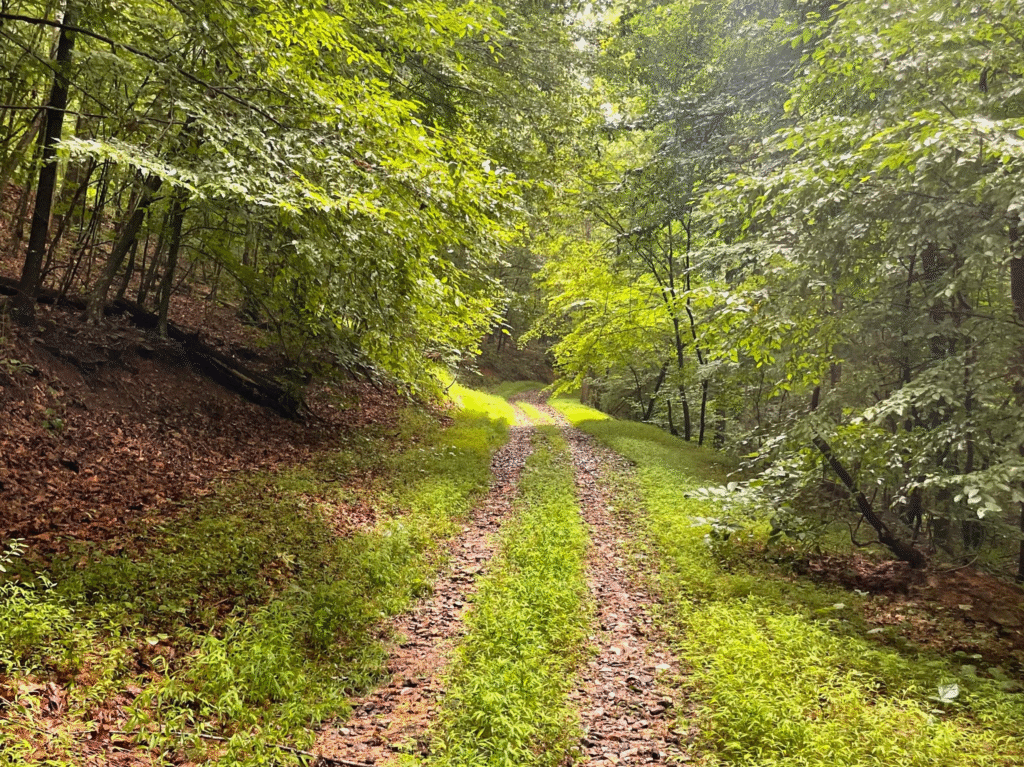
One of the biggest mistakes people make on large properties is trying to do everything at once. Just because you have 15 or 20 acres does not mean you need to fill it with animals and crops immediately. The best approach is gradual. Start with a garden, a flock of chickens, and one or two larger animals. Add orchards and more livestock as you gain experience.
This step by step approach prevents burnout and helps you discover what truly works for your family. Some people thrive on raising cattle, while others prefer focusing on goats, sheep, or crops. The land gives you options, but your lifestyle and interests should guide your choices.
Why bigger is not always better
More land provides incredible opportunities, but it also demands more resources, time, and labor. Ten acres or more can make you highly self sufficient, but it can also become a burden if you are not prepared. The key is to be honest about your goals. If you dream of complete independence and do not mind the workload, 10+ acres can be a dream come true. If you want balance between homesteading and other pursuits, you may find that less land serves you better.
How to choose the right land size for your goals


The question of how much land you need to homestead does not have a single answer. The “right” size depends on your family, your goals, and your lifestyle. For some, a quarter acre garden and a few chickens is enough. For others, anything less than 20 acres feels limiting. To find the best land size for your situation, consider your food needs, the animals you want to raise, and the amount of time and money you can realistically dedicate to homesteading.
Your family size and food needs
The bigger your family, the more food you will need to produce. A single person or couple may find that half an acre provides all the vegetables and eggs they want. A family of four may need one to three acres to supply vegetables, fruit, and milk consistently. Larger families with five or more members often look for five or more acres, especially if they want to raise meat animals in addition to gardening.
Think about your diet. If your family eats lots of vegetables and fruit, you will want enough space for intensive gardens and orchards. If you eat meat and dairy daily, you will need more room for goats, sheep, or a cow. Matching your land to your diet helps avoid overspending on space you may not use fully.
Animals you want to raise
Animals are usually the biggest factor in determining land size. Chickens and rabbits require very little space, so even small yards can handle them. Goats and sheep need more room but can thrive on one to three acres with rotational grazing. A single dairy cow requires at least one to two acres of good pasture plus additional hay storage.
If you dream of raising multiple species say, chickens, goats, pigs, and cows you will need at least five to ten acres to do it comfortably. Even then, you will need to manage pasture rotation carefully and plan for feed storage.
Some animals, like pigs, need strong pens but not huge pastures. Others, like cattle, need wide open grazing land. Knowing which animals you truly want will help you decide whether one acre, five acres, or twenty acres makes sense.
Time, budget, and lifestyle factors
Land is not just about size. It is also about how much time and energy you have to manage it. A single acre can be time consuming if you work a full time job, while five acres might be manageable for someone with more availability. Be realistic about how many hours per week you can dedicate to chores, planting, feeding, and maintenance.
Budget matters too. The cost of land varies widely across the United States. An acre in rural Arkansas may cost a fraction of what an acre costs in Vermont or Oregon. On top of land prices, larger properties mean more fencing, more equipment, and more infrastructure. Be sure to consider these hidden costs when deciding how much land to buy.
Lifestyle also plays a role. Some people enjoy managing livestock and fields every day. Others prefer focusing on gardening, cooking, and preserving food. If your passion is in the kitchen, you may not need 10 acres. If your dream is to raise cattle and firewood, you will need more space.
Finding balance
The best land size for homesteading is the one that allows you to meet your goals without overwhelming you. Too little land can feel restrictive, but too much land can quickly turn into a burden. Starting small and scaling up often makes sense for beginners. Learn the basics on a smaller property, then expand when you are ready.
Homesteading is not a race to see who has the most acres. It is about using whatever land you have effectively to create food, independence, and a lifestyle that feels fulfilling. Whether that is a quarter acre suburban lot or a 20 acre farm, the right choice is the one that matches your vision and your resources.
FAQ
Can you homestead on 1/4 acre?
Yes, it is possible to homestead on just a quarter acre, especially in suburban or urban areas. You may not grow all your food, but you can still do a lot. A quarter acre is enough space for raised garden beds, fruit trees, berry bushes, and a small flock of chickens. Many families also use vertical gardening, container gardening, and composting to make the most of limited space. While you will not reach full self sufficiency on 1/4 acre, you can reduce grocery bills, gain independence, and build valuable skills.
Is 5 acres enough to be self sufficient?
For many families, yes. Five acres can support a large garden, fruit trees, goats or sheep, chickens, and even pigs. With careful management, rotational grazing, and good food preservation habits, a family of four could meet most of its food needs on five acres. Full self sufficiency depends on climate, soil, and water availability, but five acres is often considered a realistic goal for serious homesteaders.
How much land do you need for goats or cows?
Goats are efficient and do well on smaller properties. A pair of dairy goats can live comfortably on one acre if they have access to browse and supplemental hay. Sheep are similar in space needs. A single dairy cow, however, usually requires at least one to two acres of good pasture plus additional hay for winter feeding. Beef cattle need even more. If you want both goats and cows, five or more acres is recommended.
What is the best state to buy homesteading land?
The best state depends on your goals and budget. States like Arkansas, Missouri, and Tennessee are known for affordable land, mild climates, and favorable laws for small farms. Montana and Idaho offer wide open spaces and a strong homesteading culture, but winters are harsh. Texas has many opportunities but land prices vary widely by region. The key is to research property taxes, zoning laws, water rights, and climate before making a decision.
Do you need to own land to start homesteading?
No, you can begin homesteading without owning land. Renting a small house with a backyard, joining a community garden, or even homesteading on a balcony are all valid starting points. What matters most is building the mindset and skills: cooking from scratch, preserving food, composting, and learning basic animal care. These skills transfer to larger land if you eventually buy property. Do not wait to own the “perfect” homestead before getting started.
To conclude
The question of how much land you need to homestead has no one size fits all answer. Some people thrive on a quarter acre, while others find that even 10 acres is not enough. What matters is how you use the space you have and how closely your land size matches your goals.
Homesteading is about independence, sustainability, and learning to live with the land. Whether you are raising chickens in the suburbs, managing a one acre mini farm, or working toward full self sufficiency on 20 acres, the principles remain the same. Start where you are, grow your skills, and adapt as your needs change.
The dream of homesteading is not measured in acres. It is measured in the food you grow, the animals you care for, and the sense of security and fulfillment you build for your family. The best time to start is today, with whatever space you already have.
Keywords
- How much land do you need to homestead
- Minimum land needed for homesteading
- Best land size for homesteading
- Homesteading land requirements
- How many acres to homestead
- Urban homesteading space
- Small acreage homesteading
- Backyard homestead size
- Off grid land needs
- Self sufficient homestead acres
- Growing food on small land
- Best states for homesteading land