How to raise chickens for eggs and meat: a complete beginner’s guide

Why raise chickens?
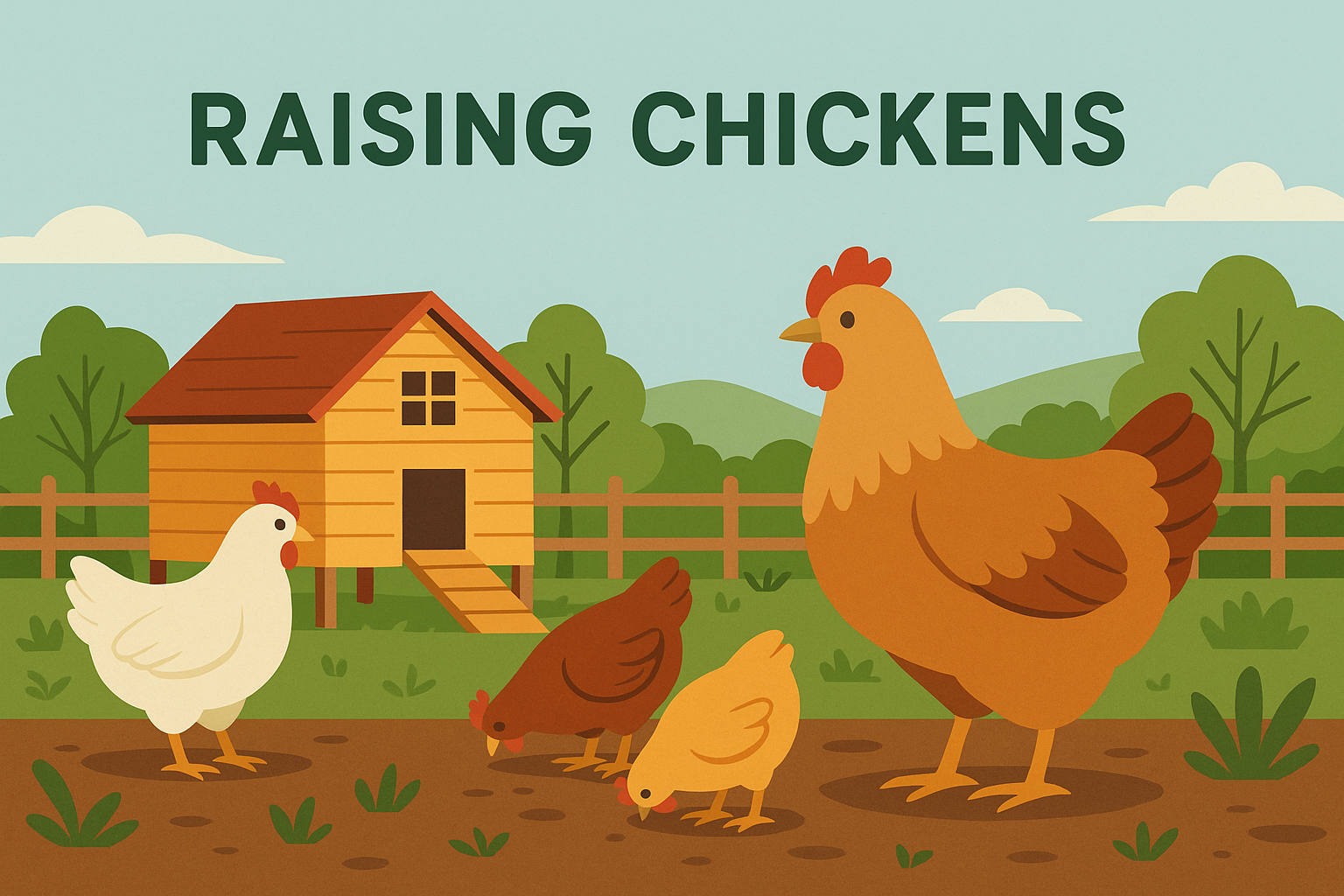
Raising chickens has been part of human life for thousands of years, and it is one of the easiest ways to step into homesteading. Whether you live on several acres or in a suburban backyard, chickens provide a steady supply of fresh eggs and, if you choose, a source of meat for your family. This combination of practicality and simplicity is why more and more beginners are interested in raising chickens for eggs and meat.
Benefits of fresh eggs
Store bought eggs are convenient, but they cannot compare to eggs from backyard chickens. Fresh eggs have richer yolks, stronger shells, and better flavor. Many people notice that their own chickens produce eggs that are not only tastier but also more nutritious, thanks to better feed and outdoor access. When hens are allowed to forage, their eggs often contain higher levels of omega-3 fatty acids and vitamins compared to conventional store eggs.
Collecting eggs each morning quickly becomes a routine that connects you to your food in a way that grocery shopping never could. You see the cycle of life firsthand and gain appreciation for the work that goes into every meal.
Benefits of homegrown meat
For families who choose to raise chickens for meat, the advantages are equally compelling. Store bought chicken is often processed in large facilities where quality control varies. When you raise your own birds, you control their environment, feed, and health. This means the meat you put on the table is fresher, cleaner, and often more flavorful.
Dual purpose chicken breeds make this especially practical. They provide eggs for a year or more and, when their egg production slows, they can still provide meat. For those focused more heavily on meat production, there are breeds that grow quickly and efficiently. The key is that you get to decide how your chickens are raised and what goes into their bodies before they go into yours.
Sustainability and cost savings
Another reason people turn to backyard chickens is sustainability. Every dozen eggs you collect at home is one fewer package bought from the supermarket. This reduces packaging waste, transportation fuel, and reliance on industrial farming. By raising even a small flock, you make a direct contribution to more sustainable food systems.
Chickens also help recycle kitchen scraps and garden waste. Leftover vegetables, fruit peels, and even weeds can become part of their diet, reducing household waste while lowering feed costs. Their manure, when properly composted, turns into nutrient rich fertilizer for your garden, closing the loop of a sustainable cycle.
When it comes to money, the economics depend on your setup. Building a chicken coop and buying quality feed does require an initial investment. However, over time, many families find that raising chickens offsets grocery costs significantly. Eggs alone can cover feed expenses, and any surplus can be sold or shared with neighbors.
A lifestyle benefit
Beyond food, raising chickens provides something less tangible but just as valuable. Chickens bring life and activity to your homestead. They scratch, peck, and cluck their way through the day, entertaining children and adults alike. For many families, watching their flock becomes a daily joy.
Caring for animals also teaches responsibility, especially to younger family members. Children quickly learn that eggs do not appear magically on the table. They must feed, water, and care for the hens to earn the reward. These lessons build respect for nature and hard work.
Why chickens are the perfect starting point
Unlike larger livestock such as goats or cows, chickens require relatively little space, modest infrastructure, and simple care. This makes them the ideal choice for beginners in homesteading. Even in urban areas, many cities allow a small number of backyard chickens with the right permits. This accessibility explains why chickens are often the first step toward a more self sufficient lifestyle.
By raising chickens for eggs and meat, you are not just producing food. You are gaining independence, reducing reliance on the supermarket, and connecting with traditions that go back centuries.
Choosing the right chicken breeds
One of the first and most important decisions when raising chickens for eggs and meat is choosing the right breeds. Not all chickens are the same. Some are excellent layers but provide little meat, while others are bred to grow quickly for the table. Then there are dual purpose breeds that offer a balance of both. Selecting the right breed for your goals makes the difference between a thriving backyard flock and constant frustration.
Best chickens for eggs
If your primary goal is a steady supply of eggs, you will want breeds that are known for productivity. Among the most popular in the United States are the White Leghorn, Rhode Island Red, and Australorp.
- White Leghorns are famous for their efficiency. They are smaller birds that eat less feed compared to many breeds, yet they lay up to 280 to 320 eggs per year. The eggs are usually white, which is the standard in most grocery stores, but the flavor and freshness from backyard hens is far superior.
- Rhode Island Reds are hardy birds that adapt well to different climates. They are prolific layers, producing around 250 to 300 brown eggs annually. Their temperament is friendly but assertive, making them a good choice for families who want reliable egg production with a bit more personality.
- Australorps, originally from Australia, hold records for egg laying, with some hens producing over 300 eggs in a year. They are calm, gentle, and easy to handle, which makes them especially suitable for beginners.
These breeds are perfect if eggs are your main priority. With proper care, they will keep your family supplied with cartons of fresh eggs year round.
Best chickens for meat
If meat production is your primary goal, then fast-growing broiler breeds are the standard. The most common is the Cornish Cross.
- Cornish Cross chickens are bred specifically for meat. They grow extremely quickly, reaching butcher weight in just six to eight weeks. Their meat is tender and plentiful, resembling the chicken you would typically find in grocery stores. However, they require careful management because rapid growth can lead to health issues if they are not monitored closely.
Another option is the Freedom Ranger, a slower growing breed compared to Cornish Cross but often favored by small farms and homesteads. They take about 9 to 11 weeks to reach maturity but are more active, hardier, and better suited for free range environments. The meat has excellent flavor and texture, often described as more “old-fashioned” compared to commercial chicken.
Dual purpose chicken breeds
For many homesteaders, the most practical choice is a dual purpose breed. These chickens provide both eggs and meat, making them versatile and efficient.
- Plymouth Rocks are one of the most popular dual purpose breeds in America. They are friendly, adaptable, and productive, laying around 200 eggs per year while also providing good meat quality.
- Orpingtons, often called the “golden retrievers” of the chicken world due to their calm personalities, are another great dual purpose choice. They lay about 180 to 200 eggs annually and grow large enough to provide substantial meat.
- Sussex chickens are also excellent. They are curious, active foragers, and consistent layers of large eggs. Their bodies are plump enough to provide quality meat as well, making them a favorite among traditional homesteaders.
Dual purpose breeds are ideal for beginners who want the best of both worlds. They give steady egg production for the first couple of years and can also serve as a source of meat when their laying slows down. This balance reflects the traditional way families raised chickens before specialized commercial breeds existed.
Matching breeds to your lifestyle
When deciding, think about your goals, climate, and space. If eggs are the top priority, focus on prolific layers. If meat is your main goal, choose broilers or Freedom Rangers. If you want balance, go with dual purpose breeds.
Also consider temperament. Families with children may prefer gentle breeds like Orpingtons or Australorps. Those in colder northern states may benefit from hardy breeds like Rhode Island Reds. For hot southern climates, lighter breeds such as Leghorns do well.
Choosing the right chickens is the foundation of your flock. With the proper match, you will have a smoother experience, healthier birds, and a rewarding supply of eggs and meat for your table.
y with slightly less indoor space, but more is always better.
Ventilation is equally important. Chickens produce a surprising amount of moisture through breathing and droppings. Without good airflow, ammonia builds up and can harm their lungs. A coop should have windows or vents near the top to allow fresh air to circulate while preventing drafts at bird level. Wire mesh openings covered with hardware cloth work well, as they provide airflow but keep predators out.
Insulation may be helpful in areas with harsh winters, but in most American climates, proper ventilation matters more than sealing the coop tightly. The goal is to strike a balance: keep the birds warm and dry without letting moisture or stale air accumulate.
Nesting boxes and roosts
For layers, nesting boxes are essential. These give hens a quiet, private space to lay eggs. A good ratio is one nesting box for every four to five hens. Boxes should be about 12 inches square, filled with clean bedding such as straw or wood shavings. Place them lower than the roosting bars to encourage hens to use them consistently.
Roosts are equally important. Chickens instinctively perch off the ground at night. Provide roosting bars made of sturdy wood, about 2 inches wide, set a foot or two above the ground. Allow 8 to 10 inches of space per bird. This helps prevent crowding and ensures everyone has a place to sleep.
Free range vs confined setups
A big question for beginners is whether to let chickens free range or keep them confined to a run. Each option has benefits and challenges.
Free range chickens have access to fresh grass, insects, and more space to roam. This improves egg quality, reduces feed costs, and keeps the birds active and healthy. However, free range birds are more vulnerable to predators like hawks, raccoons, and foxes. They may also wander into gardens or neighbors’ yards.
Confined chickens live in a secure outdoor run attached to the coop. This setup makes it easier to protect them from predators and keep them out of areas where they are not welcome. However, confined birds depend more heavily on you for feed and may become bored without enrichment. Adding perches, dust baths, and hanging treats helps keep them stimulated.
Many backyard chicken keepers choose a hybrid approach. They keep chickens in a safe run most of the time but allow supervised free range hours when they are home to watch over them. This way, the flock gets the benefits of both systems without as much risk.
Why the coop matters
A chicken coop is not just a building. It is the heart of your flock’s daily life. A clean, well ventilated, and predator proof coop keeps chickens healthier, lays the foundation for strong egg production, and ensures meat birds grow properly. Neglecting the coop is one of the most common mistakes beginners make. By investing time and thought into this structure, you save yourself countless problems down the road.
With the right coop, you will enjoy a steady supply of eggs, healthier birds, and peace of mind knowing your flock is safe every night.
Feeding and watering your chickens
Proper nutrition and clean water are at the core of raising chickens for eggs and meat. What you feed your flock directly impacts the quality of their eggs, the taste of their meat, and their overall health. Beginners often underestimate how important feed and water systems are, but getting this right will save you money and headaches in the long run.
Store bought feed vs natural feed
For most beginners, commercial feed is the easiest and most reliable option. Starter feed is designed for chicks during their first weeks of life, usually containing around 18 to 20 percent protein to support rapid growth. Once they grow older, layer feed is formulated with the calcium and nutrients hens need to produce strong eggs. Meat birds, on the other hand, benefit from broiler feed that promotes fast but healthy weight gain.
While commercial feed ensures balanced nutrition, many homesteaders prefer to supplement or partially replace it with natural foods. Kitchen scraps, garden waste, and forage from free ranging give chickens variety and reduce costs. Chickens love vegetables, fruits, grains, and even leftover pasta or rice. However, avoid giving them chocolate, avocado, or very salty foods, as these can be harmful.
Natural feeding is a wonderful complement, but it is best not to rely on scraps alone. The key is balance. Use a base of high quality feed and add natural sources as enrichment and supplements. This way, your flock stays healthy while still benefiting from the sustainable practice of reducing food waste.
Supplements for strong eggs and healthy meat
Certain supplements are especially important. Laying hens need extra calcium to form strong eggshells. Crushed oyster shells or limestone grit are common options that can be offered free choice. Meat birds, particularly fast growing ones, need careful monitoring to ensure they grow steadily without leg problems.
Grit is another essential supplement. Chickens do not have teeth, so they need small stones or grit in their gizzards to help grind food. Birds that forage outdoors usually find enough naturally, but confined flocks need grit added to their diet.
Probiotics, apple cider vinegar, and herbal mixes are also used by many chicken keepers to support digestion and overall health. While not mandatory, they can reduce illness and improve feed efficiency.
Water management and cleanliness
Water is often overlooked, but it is just as important as food. Chickens need constant access to clean, fresh water. Without enough water, hens will stop laying eggs and meat birds will stop gaining weight. In fact, even a short period without water can harm their health.
Automatic waterers are a good investment because they keep water clean and reduce the need for constant refilling. However, buckets or simple containers work fine if they are cleaned daily. In hot American summers, add extra waterers and shade to prevent overheating. In cold northern states, heated waterers are necessary to stop freezing.
Keeping water clean is critical. Dirt, droppings, or algae quickly build up and can make birds sick. Scrub containers regularly and place them on raised platforms to minimize contamination.
Why feeding and watering matter
Healthy feed and fresh water are the foundation of raising chickens successfully. If your birds have consistent nutrition and hydration, they will reward you with strong eggs and quality meat. Poor diets or dirty water lead to weak shells, slow growth, and higher risk of disease.
Think of feeding and watering not as chores but as investments. By giving your flock the right diet and care, you reduce veterinary bills, improve production, and create a healthier, happier homestead.
Caring for chicken health
Healthy chickens are productive chickens. Whether you are raising them for eggs or meat, their well being directly impacts the quality of food you bring to the table. Beginners often worry about diseases, but with the right practices, keeping a flock healthy is manageable and even simple.
Common chicken diseases and prevention
Chickens can be affected by respiratory illnesses, digestive problems, or infections. Some of the most common include coccidiosis, infectious bronchitis, and Marek’s disease. These names may sound intimidating, but prevention is usually more important than treatment.
A clean coop with good ventilation goes a long way. Damp, dirty bedding is one of the fastest ways for bacteria and parasites to spread. Replace bedding regularly, keep nesting boxes clean, and ensure droppings are removed often.

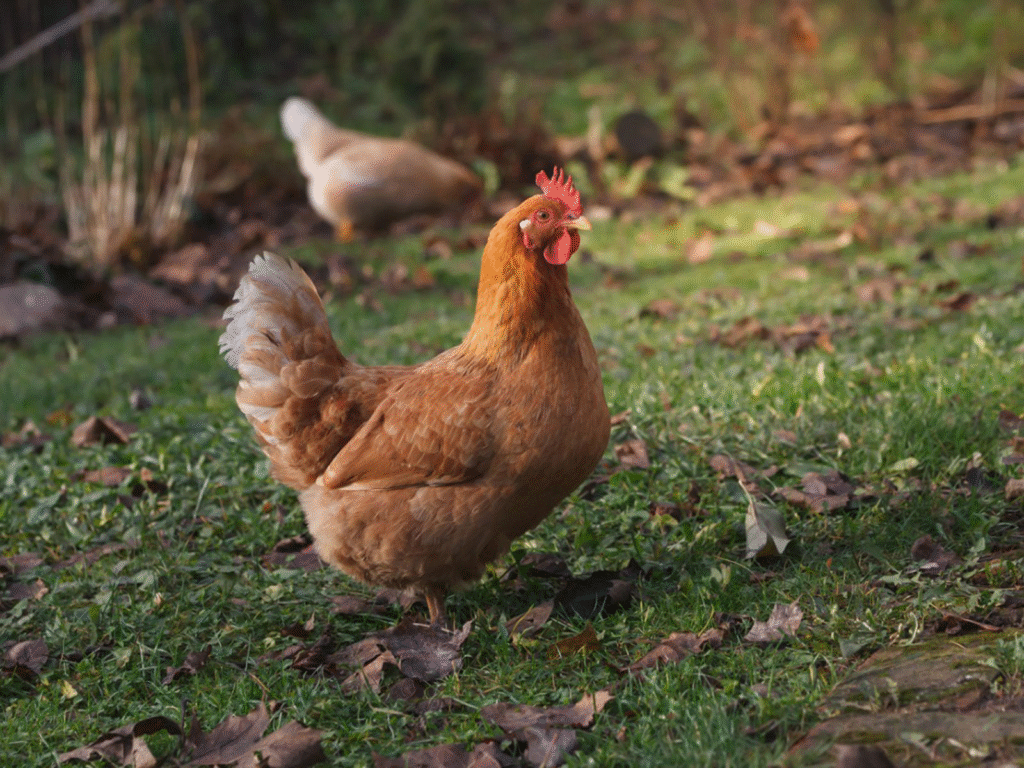
Vaccinations are available for some diseases like Marek’s, and many hatcheries in the United States offer vaccinated chicks. Choosing vaccinated stock gives your flock a strong start. Biosecurity is also important. Avoid visiting other farms without changing clothes or shoes, and do not allow strangers to handle your birds without precautions.
Parasite control
External parasites such as mites and lice can cause serious stress and reduce egg production. Internal parasites like worms can also harm growth and overall health. The best prevention is cleanliness and observation.
Provide dust baths with sand, wood ash, or diatomaceous earth. Chickens naturally bathe in dust to control mites, and offering them a dedicated space supports this instinct. For internal parasites, many homesteaders use natural treatments such as garlic or pumpkin seeds, though veterinary dewormers may be necessary if infestations occur.
Checking your birds regularly is key. If feathers look ragged, combs appear pale, or birds seem lethargic, it may be a sign of parasites. Early action prevents larger problems.
Daily and seasonal care routines
Chickens thrive when given consistent care. Each day, check feed and water, collect eggs, and look over your birds. This does not take long, but it helps you notice any issues quickly. A hen that is not eating, a rooster that limps, or droppings that look unusual all signal potential problems.
Seasonal care also matters. In summer, provide shade and extra water to prevent heat stress. Chickens can tolerate cold better than extreme heat, but they still need proper shelter in winter. Insulate the coop lightly, reduce drafts at bird level, and keep water from freezing. In northern states, heated waterers are almost essential.
Molting is another seasonal challenge. Once a year, usually in fall, hens shed old feathers and stop laying for several weeks. This is natural and nothing to worry about. Provide high protein feed during this time to help them regrow feathers quickly.
Why observation is your best tool
The most effective health tool for any chicken keeper is simply paying attention. Spend time with your flock daily. You will learn their normal behavior and quickly notice when something is off. Chickens hide illness well, but small changes like drooping wings, labored breathing, or unusual droppings stand out once you know your birds.
By combining clean housing, good nutrition, parasite control, and daily observation, you can keep most flocks healthy with minimal intervention. This proactive approach prevents problems before they start and gives your chickens the best chance to thrive.
Raising chickens for eggs and meat is not only about production. It is also about stewardship. Healthy birds are happier, live longer, and provide food of higher quality. Caring for them well is part of the responsibility and joy of homesteading.
Collecting eggs and processing meat
Raising chickens for eggs and meat gives you direct access to two of the most valuable food sources. Knowing how to handle both properly ensures safety, quality, and respect for the animals. For beginners, egg collection feels simple, while meat processing can seem intimidating. With the right approach, both become manageable parts of homesteading.
Egg collection, storage, and cleaning
Hens usually lay in the morning, though some may lay later in the day. Collecting eggs at least once daily keeps them clean and prevents damage. Leaving eggs in the nest too long can attract pests or encourage hens to start eating their own eggs, which quickly becomes a bad habit.
Eggs do not need to be washed immediately unless they are visibly dirty. In fact, fresh eggs have a natural protective coating called the bloom that helps preserve freshness. If the shells are clean, simply store them unwashed in a cool place or refrigerator. They can last several weeks this way.
If you must wash eggs, use warm water and dry them quickly before refrigeration. Never use cold water, as it can cause bacteria to be pulled into the shell. A simple routine of clean nesting boxes and daily collection usually keeps eggs in good condition.
When and how to butcher humanely
Processing chickens for meat is the most challenging step for many beginners. It requires preparation, the right tools, and a respectful mindset. The key is to treat the birds with dignity while ensuring the process is quick and humane.
Most homesteaders process meat birds such as Cornish Cross at around six to eight weeks old. Dual purpose breeds take longer, usually four to six months, before reaching a good size for the table.
When the time comes, having a dedicated space is important. Many small farmers use a cone system that holds the bird securely while reducing stress. A sharp knife is essential to ensure a clean and quick cut. After bleeding, the bird is scalded briefly in hot water to loosen feathers, then plucked by hand or with a plucking machine.
For beginners, it is best to process only a few birds at a time until you are comfortable with the steps. Some choose to take their chickens to a local processor, which is a legal requirement in certain states if you plan to sell the meat.
Preserving meat and eggs
Eggs and meat are perishable, so learning preservation methods is part of sustainable chicken raising. For eggs, refrigeration is usually enough, but you can also experiment with methods like water glassing, which stores eggs in lime water for months without refrigeration.
For meat, freezing is the most common solution. Divide cuts into meal sized portions, wrap them tightly, and label with the date. Properly frozen chicken can last up to a year without losing quality.
Canning chicken meat or making broth is another traditional option. Pressure canning produces shelf stable jars of meat that are ready to use in soups or stews. This is especially valuable for homesteaders with limited freezer space.
Respecting the process
Collecting eggs and processing meat are not just chores. They are rituals that connect you to your food in a direct and meaningful way. Each egg represents the care you give your hens. Each bird raised for meat deserves respect for the nourishment it provides.
By learning to collect, store, and process properly, you maximize the benefits of your flock while honoring the animals that support your homestead. Over time, these routines become second nature, turning your backyard chickens into a steady, dependable food source.
Costs and budgeting for chicken raising
Many beginners dream about farm fresh eggs and homegrown meat without fully considering the costs involved. While chickens are one of the most affordable livestock options, they are not free to raise. Understanding the startup costs, ongoing expenses, and potential savings helps you create a realistic budget.
Startup costs
The largest expenses come at the beginning. The coop is usually the single most important investment. Even a modest backyard coop can cost several hundred dollars in materials if you build it yourself, or a thousand or more if you buy a prebuilt model. The price varies depending on size, design, and whether you use recycled materials.
Next are the chickens themselves. Baby chicks usually cost just a few dollars each from hatcheries or feed stores, but you may also need brooder equipment such as a heat lamp, bedding, and feeders. For meat birds like Cornish Cross, the initial purchase is cheap, but you will need to replace the flock every season.
Additional startup items include waterers, feeders, nesting boxes, and fencing if you plan to free range. Using secondhand or homemade equipment can reduce costs significantly. Many American homesteaders repurpose barrels into waterers or pallets into fencing.
Ongoing costs
Feed is the biggest ongoing expense. A laying hen eats about a quarter pound of feed per day, which adds up quickly. The price of commercial feed varies depending on region, but it is usually the main recurring cost. Supplementing with kitchen scraps, garden produce, and allowing free range access reduces the feed bill.
Other recurring costs include bedding material such as straw or wood shavings, grit, calcium supplements for layers, and occasional medical supplies. If you raise meat birds, expect higher feed consumption since they grow rapidly and require more protein.
Repairs and replacements are another hidden cost. Coops eventually need new roofing, waterers crack, and fencing wears out. Budgeting a small amount each year for maintenance avoids surprises.
Savings compared to grocery costs
One way to view chicken raising is as an investment. Fresh eggs often cost between four and eight dollars per dozen at farmers markets, depending on the region and whether they are organic. A small flock of six hens can produce around four dozen eggs per month. Even after feed costs, you save money compared to buying premium eggs.
For meat, the calculation is similar. Grocery store chicken may be cheap, but high quality pasture raised chicken is much more expensive. By raising your own, you get meat comparable to premium market quality at a fraction of the price once initial costs are covered.
Some families even sell extra eggs or meat to offset expenses. Local regulations vary, but in many rural communities, neighbors are happy to buy directly from backyard farmers.
Long term sustainability
Raising chickens is not only about dollars saved. It is about building resilience and sustainability. Chickens turn waste into food, provide natural fertilizer, and reduce reliance on industrial agriculture. These benefits cannot always be measured in money, but they improve quality of life and food security.
That said, beginners should enter with realistic expectations. You may not save money in the first year because of startup costs. Over time, as your systems improve and you supplement feed with natural sources, the balance shifts in your favor.
A smart approach is to view chickens as both an expense and an asset. They require care and resources, but they give back in the form of eggs, meat, compost, and education. With proper budgeting, the rewards quickly outweigh the costs.
Step by step chicken raising plan for beginners
Getting started with chickens can feel overwhelming, but breaking the process into clear steps makes it manageable. Here is a simple timeline to help you raise your first flock successfully.
Month 1: getting your first chicks
Start by purchasing baby chicks from a trusted hatchery or feed store. Set up a brooder box with a heat lamp, bedding, feeders, and waterers. Chicks need warmth, usually around 95 degrees Fahrenheit during the first week, with the temperature lowered slightly each week. Handle them gently to help them become accustomed to people.
Month 2 to 3: brooding and early care
Continue brooding until the chicks grow feathers and can regulate their body temperature. By week six to eight, most chicks are ready to move outdoors. During this stage, focus on balanced feed, clean water, and predator protection. Observe their behavior daily to spot signs of illness or weakness early.
Month 4 to 6: moving to the coop and first eggs
Transition your flock to the outdoor coop once it is secure. Provide roosts, nesting boxes, and outdoor space. Around five to six months old, hens begin laying their first eggs. At this point, switch them to layer feed with added calcium. Collect eggs daily to keep them clean and encourage consistent laying.
Beyond 6 months: managing meat and eggs
Dual purpose breeds begin to reach good size for meat after six months, though some may take longer. If your goal is meat production, plan humane processing once the birds are fully grown. For egg layers, you can expect consistent production for one to three years, after which egg output declines. Decide whether to keep older hens for companionship, cull them for meat, or replace them with new chicks to maintain production.
This step by step chicken raising guide gives you a clear roadmap for your first year. Over time, you can adjust to your needs and expand as your confidence grows.
FAQ
How many chickens should a beginner start with?
Six hens is a common starting point. This number provides plenty of eggs for a small family while keeping costs and chores manageable.
How long do chickens lay eggs?
Most hens lay reliably for two to three years. Production slows after that, but some hens continue laying occasionally for several more years.
Can you raise chickens in the city?
Yes, in many American cities backyard chickens are legal with restrictions. Some cities allow only hens, while others limit the number of birds. Always check local ordinances before starting.
How much space do chickens need?
Inside the coop, plan for three to four square feet per bird. Outdoors, at least eight to ten square feet per chicken is ideal. Free range setups require less fenced space but more predator awareness.
Is raising chickens cheaper than buying eggs and meat?
It depends on your setup. Once startup costs are covered, the price per egg is often lower than store bought organic eggs. Meat birds can also be more affordable than premium pasture raised chicken. However, you should expect some costs for feed and maintenance.
Our thoughts and conclusion
Raising chickens for eggs and meat is one of the most rewarding and practical steps in homesteading. It combines food security, sustainability, and daily joy in a way few other activities can. Chickens are relatively easy to care for, adapt well to different environments, and provide valuable returns in the form of fresh eggs, healthy meat, and compost for your garden.
For beginners, the key is to start small, choose the right breeds, and provide safe shelter, good nutrition, and consistent care. With time, you will find that chickens become more than just livestock. They are companions, teachers, and a symbol of independence.
By following this complete guide, you now have the knowledge to begin your own flock confidently. Every egg you collect and every bird you raise brings you closer to a sustainable and self sufficient lifestyle. Start today, and let your chickens help you build the homestead of your dreams.