Best animals to raise on a small homestead 2025
If you are starting a Homestead, you probably asked your self what are the best animals for small homestead? Raising animals on a small homestead isn’t just about food. It’s about creating a living system where every element supports the others. When chosen wisely, animals don’t compete with your land they complement it. On my two-acre property in western Kentucky, I’ve seen firsthand how a small flock of hens or a pair of dairy goats can completely change the way a family eats, works, and thinks about resilience.

Why livestock is essential to homestead self-sufficiency
When most people picture a self-sufficient homestead, they imagine rows of vegetables, maybe a greenhouse, maybe some canning jars on a shelf. But vegetables alone won’t carry you through the year. Animals fill in the gaps nutritionally, practically, even emotionally.
Protein production
Meat, milk, and eggs are dense, nutritious staples you can’t grow from seeds. Chickens, for example, offer a steady supply of eggs with relatively low feed input. Rabbits provide lean meat, reproduce quickly, and take up little space. Goats, if handled properly, deliver milk for drinking, cheese-making, or even soap.
Having this kind of protein source on-site is what turns a garden into a truly self sufficient homestead. You’re no longer reliant on weekly grocery trips or fragile supply chains.
Waste into fertility
One of the biggest reasons I added livestock early in my homestead journey was the way they close the nutrient loop. Animals eat what the garden can’t use scraps, weeds, bugs and turn it into manure. That manure feeds the soil, which feeds the plants, which feeds the animals and us again.
I still remember how quickly my compost pile exploded in richness after I let my hens range in the garden during the fall. Their droppings, mixed with dried leaves, turned into black gold by spring. No store-bought fertilizer needed.
Pest control and land management
Some animals, like ducks and guinea fowl, serve double duty. They provide eggs or meat but also keep tick and slug populations down. Goats are nature’s lawn mowers. A couple of Nigerian Dwarf goats can clear a weedy area in a weekend, saving you hours of mowing and brush-cutting.
That kind of integrated function is the heart of homesteading livestock: animals that give back more than they take.
Emotional and educational value
We don’t talk about this enough, but animals also bring rhythm and meaning to daily life. My kids learned responsibility by gathering eggs at dawn. I’ve found calm in the routine of evening goat milking. There’s a grounding force in caring for creatures that depend on you, day after day.
And in times of stress economic, societal, even personal there’s comfort in knowing you have fresh eggs, a rabbit in the freezer, and enough milk to make a batch of soft cheese or yogurt.
Income opportunities
For homesteaders looking to offset feed costs or build a side income, livestock opens the door. A dozen laying hens can produce enough eggs to sell to neighbors. Well-bred rabbits or goat kids can bring in cash at local markets. Even quail eggs fetch a premium at restaurants or health food stores.
You’re not just feeding your family, you’re gaining options. Options equal freedom.
What to consider before choosing animals
Not all animals are a good fit for every homestead. One of the most common mistakes I see among new homesteaders is rushing into livestock without matching the animals to their land, their lifestyle, or their local conditions. Before I added any species to my property, I walked the perimeter for weeks, took soil notes, monitored shade patterns, and mapped out feed costs down to the penny. It might sound extreme, but that preparation saved me from some costly trial and error.
Here’s what you should think through before bringing any animals home.
Land size and layout
Your acreage matters when homesteading with limited land, but how that land is structured matters more. A well-designed half-acre with rotational pens, good drainage, and close access to water can support more productivity than a five-acre spread of rocky hillside. Chickens (raising chickens for eggs) and rabbits do well in tight spaces, while goats need browsing room and fencing. Pigs, unless raised in ultra-compact systems, require good ground that won’t become a mud pit.
You should also consider how your land slopes, where the sun falls, and what kind of vegetation already exists. If you don’t want to clear brush every month, don’t bring in animals that’ll get tangled in undergrowth.
Zoning laws and neighborhood rules
Even in rural areas, you’d be surprised how many restrictions exist around livestock. Before I ever built a coop, I called the county office and double-checked local zoning. Some places allow chickens but not roosters. Others have noise or smell ordinances that impact goats or pigs (backyard pig farming). If you’re on a suburban lot or near city limits, you may be subject to homeowners’ association (HOA) rules even on your own land.
The last thing you want is to invest in fencing, feed, and animals, only to get slapped with a removal order or neighbor complaint.
Daily care and time commitment
People often romanticize the idea of backyard farm animals, but livestock demands structure. They don’t take weekends off. Rain or shine, hot or freezing, you’ll need to feed them, check water, clean housing, and protect them from predators. Rabbits and quail (quail homesteading) are lower-maintenance options, while goats and pigs require more time, stronger infrastructure, and consistent health checks.
Ask yourself this honestly: can you commit to morning and evening chores, every single day? If you’re not home much or travel often, you’ll need a reliable plan for coverage.
Climate and regional conditions
Certain breeds thrive in specific climates. For instance, heat-tolerant breeds like Leghorn chickens do well here in the South, while heavier dual-purpose birds like Orpingtons are better suited for colder regions (dual purpose livestock). Rabbits struggle in intense heat unless you provide deep shade and ventilation. Goats need dry ground mud will rot their hooves.
Before choosing any animals, look around at what local farms are raising. There’s wisdom in the community. If your neighbor keeps Nigerian Dwarf goats and not Boer, there’s probably a reason.
Feed sources and costs
Feed costs can creep up faster than you think. When I first started with chickens, I assumed I could offset most of their feed with kitchen scraps and free-ranging. It helped, sure but I still needed to buy grain regularly, and prices fluctuate. Goats need quality hay. Rabbits need alfalfa or pellets unless you’ve got a forage system in place.
Ask yourself: how will I feed these animals year-round, especially in winter? Do you have room to store bales of hay or bags of grain? Are there local feed mills or co-ops nearby?
Family and neighbor considerations
Animals affect more than just the person who cares for them. Are your kids comfortable around livestock? Will your spouse help with milking or cleaning pens? Do your neighbors mind a rooster crowing at 5 a.m.? Building goodwill early on especially if you’re in a tight-knit or semi-urban area can prevent tension down the road.
When I started, I gave my neighbors fresh eggs every other week and asked them to call me directly if any animal ever got loose. That kind of openness buys a lot of grace when something inevitably goes wrong.
Read our Article : Why I walked away from modern life to build an off-grid homestead
Top animals for small-scale homesteads
There’s no universal answer to “what’s the best animal for a small homestead?” It depends on your goals, land, and time. But after years of hands-on experience and seeing what works for homesteaders across the country, I’ve found a shortlist of animals that offer the most value for the least footprint.
Each species below earns its keep in more than one way whether through food, labor, or soil improvement and all are viable for beginners and seasoned homesteaders alike.
Chickens for eggs, meat, and composting
If you’re starting with one animal, let it be chickens. They’re hardy, adaptable, and forgiving. You’ll get fresh eggs within a few months, and you can raise dual-purpose breeds like Buff Orpingtons or Plymouth Rocks that provide both eggs and meat.

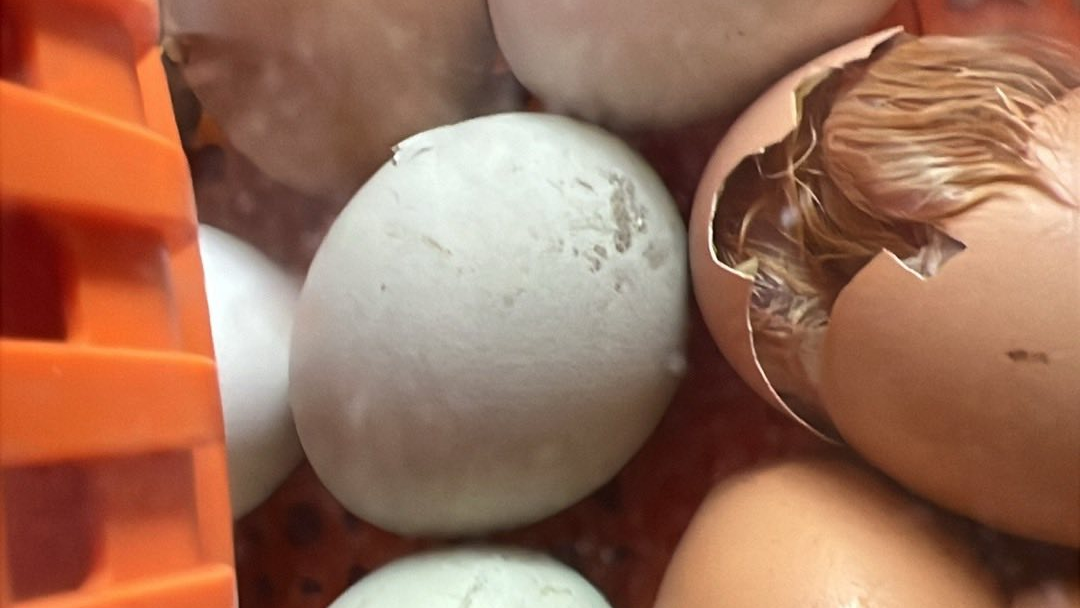
Chickens excel in small spaces and can be rotated through garden beds to eat bugs, scratch up weeds, and fertilize the soil. I once ran a flock of six through my fall beds and didn’t have to till or weed come spring.
Best breeds for eggs: Leghorn, Golden Comet
Best dual-purpose breeds: Rhode Island Red, Australorp

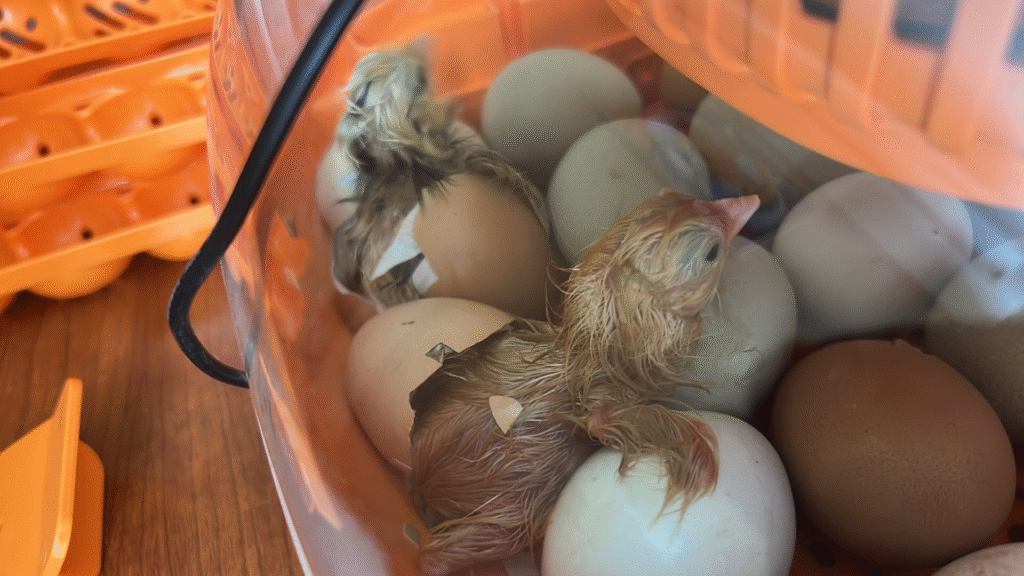
Predator pressure is your biggest challenge. Even in urban settings, raccoons, hawks, and neighborhood dogs can decimate a flock. Secure coops and movable chicken tractors are essential.
Ducks hardy layers and great for pest control
Ducks are often overlooked, but they’re incredibly useful, especially in wet climates. They lay reliably (even in winter), are more cold-hardy than chickens, and do wonders in slug-infested gardens. I’ve let my ducks loose among my tomato beds and watched pest populations vanish without needing a single chemical.
They do need access to clean water ideally a small pond or a tub changed daily and can be messier than chickens. But their eggs are richer, their meat is flavorful, and they tolerate confinement better than many birds.
Best breeds for small homesteads: Khaki Campbell, Welsh Harlequin
Rabbits quiet, clean, and efficient meat source
Few animals produce meat as quietly or efficiently as rabbits. One breeding pair can generate 40+ pounds of meat annually. They require little space, make almost no noise, and can be raised in hutches, cages, or even colonies if you have secure fencing.
Rabbits thrive on pellet feed, hay, and garden trimmings. Their manure is cold, meaning you can add it directly to your garden beds without composting.
I raised Californians in a three-tier hutch setup beside my barn wall and never had issues with odor or space. They’re a top choice for meat rabbits homestead setups with limited land.
Best breeds: Californian, New Zealand White, Rex
Goats milk, meat, and brush clearing

Goats are more involved than chickens or rabbits but bring enormous return. They clear brush, provide milk, and can even serve as companions for other livestock. Their milk can be used for cheese, yogurt, or soap.
For small homesteads, dwarf or mini breeds are ideal. Nigerian Dwarf goats produce surprisingly high volumes of rich milk, and Pygmy goats are compact and personable.
Goats need excellent fencing if they can climb it, they will and they hate standing water or wet ground. Milking requires commitment, but if you’re consistent, goats can replace your trips to the dairy aisle completely.
Best breeds for small farms: Nigerian Dwarf, Mini Nubian
Bees honey, pollination, low space footprint
Even if you can’t keep chickens or goats, you can probably keep bees. A single hive takes up less than 5 square feet and produces up to 60 pounds of honey annually once mature. But honey is just the start bees improve pollination rates in every nearby plant, increasing your overall garden yield.
Modern top-bar or Langstroth hives make beekeeping manageable, and many states offer free or low-cost training through extension programs.
You’ll need to check local ordinances, especially in urban settings, but many cities allow bees with minimal restrictions.
Tools needed: bee suit, smoker, hive tool, hive stand
Quail compact and fast-growing layers
For micro-homesteads, quail are unmatched. They’re small, quiet, mature in just 6 weeks, and lay nearly daily. Coturnix quail are the breed of choice: they’re docile, productive, and tolerant of small enclosures.
You can raise them in rabbit-style cages or aviary setups, indoors or out. Their eggs are prized for both culinary novelty and nutrition, and they’re legal in many urban areas where chickens are not.
The only downside: they’re fragile. Handle them gently and plan for predator-proof enclosures.
Best breeds: Coturnix (Jumbo, Rosetta)
Bonus animals to consider
If you’ve got space and curiosity, you can branch out with a few less common species:
- Mini pigs: surprisingly trainable and efficient on kitchen scraps
- Guinea fowl: excellent for tick control and predator alarms
- Geese: seasonal eggs and grass-fed meat, good for guarding
- Tilapia or trout: in tanks or aquaponics setups for fish protein with minimal land
Each has its own pros and cons, but with a bit of research, they can diversify your homestead and deepen your self-reliance.
How to raise animals in limited space
Raising animals on a small homestead is less about acreage and more about strategy. With good planning, even a quarter-acre lot can support a surprisingly diverse mix of livestock. The key is to maximize efficiency without sacrificing animal welfare.
Rotational systems and multi-use zones
One of the smartest ways to raise animals in tight quarters is through rotational grazing or portable pens. Instead of confining chickens or goats to one static area, you move them across different parts of your land. This gives the soil time to rest, distributes manure naturally, and keeps parasite loads low.
For chickens, a mobile coop or “chicken tractor” can be moved daily or weekly across lawn or garden beds. Goats can be tethered or rotated between brush zones using electric net fencing.

I’ve used this system with ducks as well rotating them through orchard rows not only fed them with bugs and dropped fruit, it reduced pest pressure on my trees.
If you can’t rotate horizontally, think vertically. Stack functions: rabbits over compost bins, quail in towers, bees above chicken runs.
Housing integration and predator protection
Animal housing doesn’t have to be sprawling. You can combine structures, like building a goat shelter that also serves as a storage shed or a rabbit hutch attached to a greenhouse wall for shared warmth in winter.
But small-scale setups are also more vulnerable. Urban raccoons can wipe out a flock in one night. Snakes find quail irresistible. Always overbuild your enclosures. Use hardware cloth instead of chicken wire, and dig it at least a foot into the ground to deter digging predators.
If space is tight, go up instead of out. Multi-level hutches, stacked cages, and vertical pens make efficient use of limited land just ensure ventilation and access are still solid.
Manure management and soil cycles
In compact homesteads, manure can quickly become either your best asset or your biggest problem. Rabbits and chickens in particular produce a steady stream of valuable droppings but only if you know how to handle it.
Set up simple compost systems close to your animal housing. For rabbits, drop trays under wire-bottom cages can be emptied into your compost bin daily. For poultry, deep litter methods allow manure to break down in place, reducing smell and flies.
Even small homesteads can use vermicomposting (worm bins) to convert manure into black gold, especially when rabbit droppings are mixed with shredded paper or dry leaves.
Feed integration and food waste recovery
On limited land, every input matters. Supplement your animals’ diet with garden waste, kitchen scraps, and forage you can grow yourself like comfrey, mulberry leaves, or sunflower heads.
You’d be surprised how much free feed you can harvest from your own property when you plan for it. I grow a “chicken alley” of calendula, clover, and grain amaranth behind the coop each summer. The birds love it, and I don’t have to buy bagged treats.
Small-scale homesteading is about cycles. The better you close those loops feed, manure, bedding, water the less you rely on outside systems.
Common mistakes when starting livestock
The fastest way to burn out as a new homesteader is to overestimate what you can handle. I’ve been there standing in a muddy pen with a broken gate and three angry goats I wasn’t prepared for. It’s humbling. And preventable.
Here are the most common mistakes I’ve seen (and sometimes made) when raising animals on a small homestead.
Starting with too many animals, too fast
It’s tempting to get chickens, ducks, rabbits, and goats all in the first year. They’re cute. They’re productive. But each species has its own needs, habits, and learning curves. Trying to raise too many at once usually leads to cut corners, poor housing, neglected chores, and stressed-out animals.
Start with one or two species, learn their rhythms, and add slowly. Chickens are often the best entry point they teach you about feed, fencing, daily care, and predator protection without overwhelming you.
Choosing the wrong breed for your region
Not all animals are created equal, especially when it comes to climate. People buy rabbits that can’t handle the heat, chickens that stop laying in short daylight, or goats that hate rain in a wet climate.
Always choose breeds suited to your local environment, not just what looks good on YouTube or Instagram. Talk to farmers within 50 miles of your land. Their advice is often worth more than ten hours of online research.
Underestimating fencing and predator pressure
This one hurts. I’ve lost birds to raccoons, rabbits to foxes, and nearly lost a goat to a neighbor’s dog. Don’t wait until after a loss to upgrade your fencing.
Predators adapt quickly. If you live near woods, open fields, or even suburban hedgerows, assume something is watching your animals the minute you bring them home. Install solid fencing, bury it underground, and lock animals up at dusk every day.
For goats, especially, fencing is everything. If it bends, they’ll climb it. If it moves, they’ll push through it. Build tight and strong from the start.
Ignoring local laws or ordinances
You’d be surprised how many small towns have weird rules. Some ban roosters, others require setbacks from property lines, and a few still classify rabbits as “exotic pets” that need permits.
I once helped a friend tear down a brand-new shed because it was six inches too close to a neighbor’s fence line after a complaint. Always check before you build or buy. A five-minute phone call to your county office can save you hundreds of dollars and a lot of frustration.
Overlooking winter needs
Many first-time homesteaders focus on summer setups and forget that animals need shelter, feed, and water access in freezing conditions. Water freezes. Doors swell. Feed spoils in damp bins. Rabbits and birds suffer without insulation.
Before winter hits, ask:
- Can I access water without dragging buckets through snow?
- Is my housing draft-free but ventilated?
- Do I have a feed storage plan for bad weather?
Prepping for winter in advance often marks the line between the hobbyist and the sustainable homesteader.
Expecting instant self-sufficiency
Raising animals is not a get-rich-quick scheme or even a get-fed-quick one. Eggs take weeks. Milk takes months. Meat takes cycles. The first year is often a learning curve more than a harvest.
And that’s okay.
Success in livestock isn’t about perfection. It’s about showing up, paying attention, and adjusting along the way. Small homesteads thrive when they’re built slow, honest, and with deep observation.
Final tips before starting
You don’t need to raise ten species or own five acres to call yourself a homesteader. What you need is intention, observation, and patience.
I’ve met people doing incredible things with half a backyard and three chickens. I’ve also met folks with 20 acres and no clue where to begin. The difference isn’t space. It’s mindset.
Here are a few parting thoughts that have served me and dozens of other homesteaders well over the years.
Start small. Then go smaller.
Whatever number of animals you think you can handle right now, cut it in half. Give yourself time to learn without pressure. A few hens can teach you about feed rotation, predator risk, weatherproofing, and basic animal health better than a bookshelf full of manuals.
Once that becomes second nature, then you can think about rabbits, goats, or ducks.
Build your systems first, then get animals
It’s easy to fall in love with the idea of livestock and rush into it with a slap-together coop or wire fence. But poorly built infrastructure leads to constant frustration.
Instead, design first. Walk your land. Watch where the wind blows. Place shelters where you won’t have to lug water across snow or mud. Build pens that you can clean easily. Use materials you can maintain without debt or dependency.
The animals come after.
Learn from real people, not just the internet
YouTube is great. So are books. But nothing compares to chatting with someone who’s been raising goats in your same climate for 20 years.
Visit local farms. Go to feed stores. Join a 4H group or community garden. Ask questions you’re afraid to ask. Most homesteaders I know love to share what they’ve learned especially the mistakes.
And don’t ignore your elders. My neighbor taught me more about predator prevention in one afternoon than I’d learned from ten blogs.
Keep records and stay curious
Track what works and what doesn’t. Write down what you fed your rabbits, how many eggs you got this week, or what time the goats started acting strange. You’ll start to see patterns and that’s how you become resilient.
Homesteading isn’t about having all the answers. It’s about paying close enough attention that the land and animals start to teach you themselves.
Accept the failures and keep going
You will lose an animal. You will build something that collapses in wind. You will forget to lock a gate. That’s part of the life.
The homesteaders who last aren’t the ones who never mess up. They’re the ones who learn, adjust, and keep walking forward one animal at a time.
FAQ
What are the best animals to raise on a small homestead?
Chickens are usually the best starting point they’re low-maintenance and provide eggs and meat. Rabbits, goats, and ducks also do well on small farms, depending on your goals and available space.
How much land do I need to raise livestock?
You can raise chickens, quail, and rabbits even in a backyard. For goats or ducks, a quarter to half an acre is ideal. What matters more than size is how efficiently you use your space and rotate your animals.
What animals are easiest for beginners?
Chickens and rabbits are often the easiest. They require minimal infrastructure, reproduce quickly, and adapt well to small-scale setups. Goats are rewarding but need more fencing and care.
Can I raise animals in an urban homestead?
Yes, quail, rabbits, and even bees can be raised in urban settings. Just check local zoning laws and focus on quiet, compact, and odor-free animals.
What livestock provides the best return on investment?
Chickens (for eggs), meat rabbits, and dairy goats usually provide the fastest return in terms of food. Bees offer honey and pollination, while quail are productive in very small spaces.
Keywords
- Best animals for small homestead
- Small homestead animals
- Livestock for beginners
- Backyard farm animals
- Homesteading livestock
- Raising chickens for eggs
- Meat rabbits homestead
- Goat breeds for small farms
- Backyard pig farming
- Self sufficient homestead
- Low maintenance farm animals
- Dual purpose livestock
- Quail homesteading
- Homesteading with limited land
- Urban homestead animals