How to Start Homesteading from Scratch: A Beginner’s Guide
 ">Discover Homesteading
Send an email
">Discover Homesteading
Send an email

How to start homesteading from scratch: a beginner’s guide
Homesteading is one of those dreams that feels both exciting and overwhelming when you are just getting started. For beginners, the idea of growing your own food, raising animals, and becoming more self-reliant can sound like it requires acres of farmland and a big bank account. The truth is different. With the right mindset, skills, and step by step guidance, anyone can begin this lifestyle no matter where they live or how much money they have. This beginner’s guide to homesteading is designed to help you move from interest to action without wasting time or making expensive mistakes.
What is homesteading?
Definition and modern meaning
Homesteading originally referred to government land grants during the 1800s, when settlers could claim land by living on it and making improvements. That era has passed, but the spirit remains. Today, homesteading means practicing self sufficient living in modern settings. It might look like a suburban family with backyard chickens, a couple running a small market garden, or an urban household learning how to preserve food and reduce dependence on supermarkets.
The modern definition is less about free land and more about taking responsibility for your own needs. Gardening, raising animals, preserving food, making natural remedies, and learning practical skills all fall under the homesteading umbrella.
Why people are choosing this lifestyle
More people each year are drawn to homesteading for reasons that go beyond food costs. Some want healthier meals, free of additives and grown with care. Others are tired of relying on fragile supply chains or want to prepare for emergencies. Many simply crave a slower pace of life and a deeper connection to nature.
Homesteading for beginners offers more than food security. It teaches resilience, creativity, and problem solving. It helps families build traditions around meals and projects. It often brings neighbors together through sharing skills or trading produce.
If you are wondering how to start homesteading from scratch, remember that you do not need perfection to begin. You need curiosity, patience, and a willingness to start small.
Can you start homesteading with no money?
Myths vs reality
A common assumption is that homesteading requires significant money up front. Land, barns, solar panels, and livestock can cost a fortune. While those expenses are real for large-scale projects, they are not required at the beginning.
Starting homesteading with no money is possible when you focus on building skills instead of buying equipment. The truth is that many traditional homesteaders began with very little. They borrowed tools, reused scrap wood, and relied on their community. Progress was slow, but each season added something new.
Creative low cost solutions
Here are some practical ways to begin without breaking the bank:
- Collect food grade buckets from bakeries or restaurants to use as planters.
- Join a local seed swap or community garden to access plants for free.
- Learn food preservation basics with tools you already own, such as freezing herbs or sun drying tomatoes.
- Volunteer on a local farm to learn skills while exchanging labor for produce or knowledge.
- Explore backyard homesteading with chickens or rabbits only if your area allows it, starting with a small flock or pair.
- Trade skills with friends or neighbors. For example, offer computer help in exchange for garden tools or compost.
Homesteading at low cost is more about resourcefulness than about wealth. Every reused jar or bartered seed is a step toward resilience.
First Steps To Begin Homesteading
Starting a homestead is a journey that unfolds in stages. It is not about rushing to buy land or animals right away but about building habits and skills that make the transition smooth. This step by step homesteading guide is written with beginners in mind so you can build confidence without becoming overwhelmed.
Start With Mindset And Skills, Not Land
Your mindset is the foundation of everything you do. A beginner’s guide to homesteading always emphasizes that land is helpful but not essential at the start. Focus first on reducing dependence on consumer systems. Cook from scratch, mend clothes, repurpose household items, and learn how to budget carefully. These skills cost little to practice and prepare you for the discipline required later when larger projects come into play.
Think of homesteading as a gradual path. Even if you never move to a rural property, you will still benefit from the resilience and independence these habits create.
Learn Basic Gardening And Food Preservation
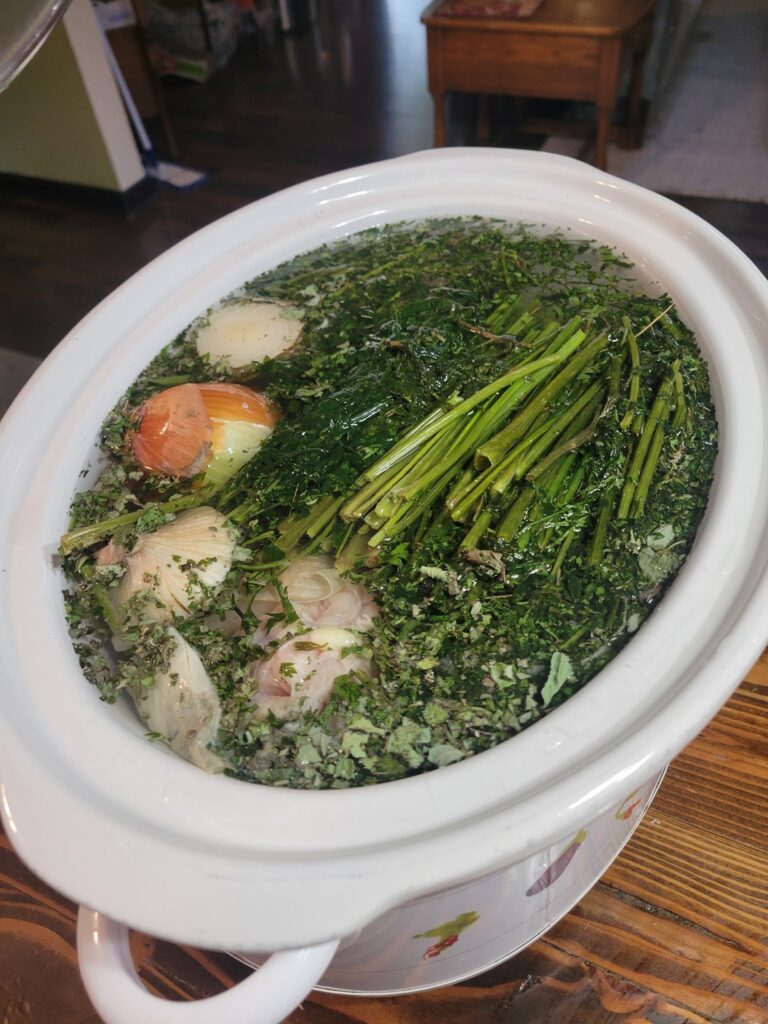
Growing food is often the first skill new homesteaders explore. Begin with simple crops such as lettuce, beans, or herbs. These plants grow quickly and give a fast return, which builds motivation. Gardening teaches soil care, watering routines, and pest management on a small scale.
Pair this with food preservation basics. Even freezing extra vegetables or drying herbs from your garden counts as progress. Later you can expand into canning, fermenting, or dehydrating larger harvests. Food preservation is what turns seasonal abundance into year round security, and it prevents waste.
Begin With Small Animals
Homestead animals for beginners should be chosen with care. Chickens are often the easiest starting point. They provide eggs almost daily, create compost with their manure, and help reduce insect problems in your yard. Rabbits are another option because they require little space, grow quickly, and stay quiet. Bees can be rewarding as well, offering honey and pollination for gardens.
Start with just one type of animal at a time. This allows you to learn routines, care, and costs without feeling overloaded. Adding too many animals too soon is a mistake many beginners regret.
Practice Self-Sufficiency In Daily Life
Homesteading is not limited to the garden or chicken coop. It is a mindset that can influence every part of your routine. Practice mending clothes, baking bread, or making simple cleaning solutions with vinegar and herbs. Each small act reduces reliance on stores and builds confidence in your own abilities.
Self-sufficient living is not about isolation but about control. By producing more of what you use, you become less dependent on outside systems and less vulnerable to price increases or shortages.
Homesteading In Small Spaces
Not everyone can move to a large rural property right away. Many beginners live in apartments, townhouses, or suburban neighborhoods. That does not mean homesteading is out of reach. Small space homesteading proves that location is less important than creativity.
Backyard Homesteading Ideas
A modest suburban backyard can provide surprising opportunities. Raised beds allow for intensive gardening. A compost bin transforms kitchen scraps into fertile soil. A small flock of hens, if local laws allow, can supply fresh eggs. Even a couple of fruit trees along a fence line can produce bushels of food within a few years.
Urban And Suburban Adaptations
If you live in a city or dense suburb, urban homesteading tips become essential. Balcony gardens with containers, indoor mushroom kits, or windowsill herb boxes can produce food in limited space. Many cities now offer community garden plots where you can grow crops alongside neighbors. Some municipalities allow small livestock with permits, so research your local zoning rules before assuming animals are off limits.
Vertical And Container Gardening
When ground space is limited, vertical gardening shines. Use trellises to grow cucumbers and beans upward instead of outward. Hang baskets filled with strawberries or tomatoes. Stack containers for herbs, leafy greens, or flowers that attract pollinators. Container gardening also makes it possible to move plants indoors when the weather turns cold, extending your growing season.
Small space solutions teach efficiency. They prove that you do not need acres to begin, only creativity and consistency.
Building your homesteading skills

One of the most valuable parts of homesteading for beginners is developing skills that will serve you for life. You do not need land or livestock to start learning. The more you practice now, the easier your transition will be when you expand later. A reliable step by step homesteading guide always emphasizes learning first, investing later.
Cooking from scratch
Cooking from scratch is at the heart of self sufficient living. Instead of relying on processed foods, start preparing meals with whole ingredients. Practice making soups, stews, breads, and sauces at home. This habit saves money, improves nutrition, and helps you understand how to stretch simple foods into satisfying meals. Even in a small apartment kitchen, you can gain confidence and independence through scratch cooking.
Begin with easy recipes that use seasonal produce. Later, try more advanced skills such as baking sourdough bread, making yogurt, or preparing cheese. These abilities will serve you well once your garden or homestead begins producing more food.
Food preservation basics
Preserving food is what makes a harvest last all year. Even if you only have a few plants in containers, learning food preservation basics now prepares you for larger yields later. The main methods include canning, fermenting, and drying.
Canning uses jars and heat to store vegetables, fruits, and sauces safely. Fermenting creates probiotic rich foods like sauerkraut, kimchi, and kombucha. Drying removes moisture from herbs, fruit, or meat to extend shelf life.
You do not need expensive tools to get started. Freezing extra produce, drying herbs in the sun, or trying a simple jar of sauerkraut are low cost ways to practice. These techniques are essential for turning seasonal abundance into year round food security.
Basic carpentry and repairs
Homesteading often requires you to build or fix things yourself. Basic carpentry does not mean mastering fine furniture. It means having the confidence to repair a fence, assemble a chicken coop, or create raised garden beds. Start with small projects like building shelves or fixing a broken stool. As you improve, you can take on larger structures that save money and increase independence.
These skills also prepare you for emergencies. Being able to patch a roof, repair a door, or reinforce a structure can make a huge difference on a working homestead.
Natural remedies and herbal knowledge
Herbal knowledge has always been part of homesteading. You do not need to become a professional herbalist to benefit. Start with simple plants such as mint, lavender, chamomile, or calendula. These herbs can be used for teas, salves, and natural cleaning solutions. They are easy to grow in small spaces and help you replace store bought products with homemade options.
As your garden expands, keep a journal of the herbs you grow and their uses. This personal record will help you gain confidence over time. Learning to make your own remedies not only saves money but also strengthens your self sufficient lifestyle.
Preparing for larger homesteads
Many beginners start small but eventually dream of a larger property. Preparing for this step requires careful planning and realistic expectations. Rushing into land purchases or big projects without preparation is one of the most common mistakes to avoid.
Choosing land
When searching for land, consider more than just price. Climate determines which crops and animals will thrive. Access to reliable water is critical. Wells, springs, or streams provide long term security. Zoning laws also matter because they can limit your ability to raise animals, install solar panels, or live off grid. Research thoroughly before making a commitment.
Building community connections
Homesteading may seem like an individual pursuit, but community is vital. Attend farmers markets, join gardening clubs, or volunteer on local farms. These connections give you access to shared knowledge, seed swaps, and sometimes even land opportunities. A supportive network makes the lifestyle more sustainable and enjoyable.
Planning long term self sufficiency
Think about your long term vision. Do you hope to run a small farm business, live completely off grid, or simply grow enough food for your family? Define your goals clearly, then work backward. Off grid homestead basics usually include renewable energy systems, water catchment, and food preservation strategies. Building these systems takes time, but starting with a plan keeps you focused and realistic.
Mistakes beginners should avoid
Homesteading is rewarding, but beginners often make the same mistakes. Knowing what to avoid will save you time, money, and stress.
Taking on too much too soon
It is tempting to start with a large garden, multiple animals, and several projects all at once. The reality is that this often leads to exhaustion and disappointment. Begin with one or two projects, such as a small vegetable patch and a few hens. Master these before expanding.
Ignoring legal or zoning restrictions
Many towns and cities have rules about keeping animals, building sheds, or collecting rainwater. Some beginners invest money and effort only to discover they are breaking local laws. Always check your local ordinances and talk to neighbors or municipal offices before starting major projects.
Underestimating costs and labor
Homesteading saves money over time, but it does require upfront investment. Seeds, soil, fencing, and feed all add up. Animals require daily care, even on holidays or busy workdays. Be realistic about both costs and time before committing. Planning with honesty will help you avoid burnout.
Beginner’s 12 month step by step homesteading plan
Many beginners ask how to structure their first year. The following plan gives you a clear pathway to begin with small, achievable steps. Adjust the timeline to fit your situation and pace.
Month 1–2: research and set goals
Take time to read, watch tutorials, and connect with other homesteaders. Define your personal goals. Do you want to reduce grocery bills, prepare for emergencies, or eventually move off grid? Your goals will guide your choices. Start cooking more meals from scratch and reduce waste in your daily life.
Month 3–4: start a simple garden
Choose easy crops like lettuce, beans, and radishes. Even a small raised bed or container garden can teach you about soil, watering, and pests. Begin experimenting with food preservation basics by freezing herbs or drying fruits.
Month 5–6: begin composting and add small animals
Build a compost pile or bin to recycle kitchen scraps and garden waste. Compost improves soil and reduces trash. If local laws allow, consider adding a few hens or rabbits. Keep the setup small so you can manage it easily.
Month 7–8: expand your garden and practice preservation
Plant additional crops according to the season. Tomatoes, cucumbers, or squash are great for summer. Practice canning, fermenting, or dehydrating produce. Each preserved jar represents food security and valuable experience.
Month 9–10: learn basic carpentry and repairs
Take on a building project such as raised beds, a compost bin, or a small chicken coop. These tasks build confidence and give you practical skills. Start keeping notes on your successes and challenges to guide future improvements.
Month 11–12: review and plan ahead
Look back on your first year. What worked well? What was difficult? Adjust your goals for the next season. Begin researching long term plans such as acquiring land, installing rain barrels, or adding new animals. Use winter months to study, repair equipment, and prepare for spring.
Why a yearly plan matters
A structured plan prevents overwhelm and keeps you motivated. Without a plan, it is easy to start too many projects and lose track of priorities. With a simple 12 month framework, you build skills layer by layer. Each year, you can repeat the cycle while adding new elements. Over time, the small steps compound into a strong and resilient homestead.
FAQ
Do I need land to start homesteading?
No. Homesteading is more about skills and habits than land ownership. Many people begin in apartments or suburban homes with container gardens, cooking from scratch, and simple preservation techniques. Once you develop confidence, you can expand to a larger property if you choose.
What animals are best for beginners?
Chickens are usually the easiest because they provide eggs, natural pest control, and fertilizer. Rabbits are quiet, efficient, and require very little space. Bees are another excellent option if you want honey and pollination for your garden. Larger animals such as goats or cows should wait until you have more experience, land, and resources.
How much money do I need to start?
You can begin starting homesteading with no money if you focus on small steps like repurposing containers for gardening, borrowing tools, or trading skills with neighbors. Larger investments such as land, barns, or renewable energy systems will require more funds, but the beginning stages can be very low cost.
Can I homestead while working a full time job?
Yes. Many homesteaders balance a career with their lifestyle. Start small with weekend projects, an evening garden, or seasonal preservation. Over time, you may shift to part time work or build income from your homestead, but it is not necessary to quit your job at the start.
How long does it take to be self sufficient?
Complete self sufficiency can take many years, depending on your goals, land, and resources. However, you can make meaningful progress in the first year by reducing your grocery bills, cooking from scratch, and preserving seasonal food. Each year you will add new layers of independence until your homestead supports most of your needs.
Final thoughts: Start Small, Grow Steady
Homesteading is not about instant perfection. It is about small steps, steady learning, and resilience. If you are just beginning, remember that every skill you practice today whether baking bread, growing herbs, or building a compost bin moves you closer to a self sufficient life.
The beauty of this lifestyle is that you do not need to wait for the perfect property or a big budget. You can start now, right where you are. Backyard homesteading, small space homesteading, and even urban homesteading tips make it possible to live more independently even in the middle of the city.
The journey is not always easy. There will be failures, pests, and projects that do not work out as planned. Yet each challenge is part of the learning process. Over time, you will find yourself less dependent on outside systems and more confident in your own abilities.
By following this beginner’s guide to homesteading, you have a roadmap for how to start homesteading from scratch. From cooking and preservation to gardening and animals, you now know the essential steps to begin. Use the 12 month plan as a guide, avoid common mistakes, and focus on building skills that will serve you for years to come.
The goal is not only food on your table but also peace of mind, healthier living, and a stronger connection with the land. Whether your dream is a full off grid homestead or simply a backyard filled with fresh produce, your journey starts today. Take the first step, however small, and you will discover how rewarding this lifestyle can be.
Keywords
- How to start homesteading from scratch
- Beginner’s guide to homesteading
- Starting homesteading with no money
- Homesteading for beginners
- Step by step homesteading guide
- Backyard homesteading
- Off grid homestead basics
- Self sufficient living
- Homestead animals for beginners
- Small space homesteading
- Urban homesteading tips
- Food preservation basics
- Low cost homesteading
">Discover Homesteading
Send an email
5 Comments