Living off the grid: what you need to know
 ">Discover Homesteading
Send an email
">Discover Homesteading
Send an email

Living off the grid: what you need to know
What does living off the grid mean?
Living off the grid is a phrase that often sparks curiosity, but what does it really mean? At its simplest, it refers to a lifestyle where you are not connected to public utilities such as electricity, water, gas, or sewage. Instead, you produce and manage these essentials yourself, usually through renewable energy, private water systems, and self sufficient food production.
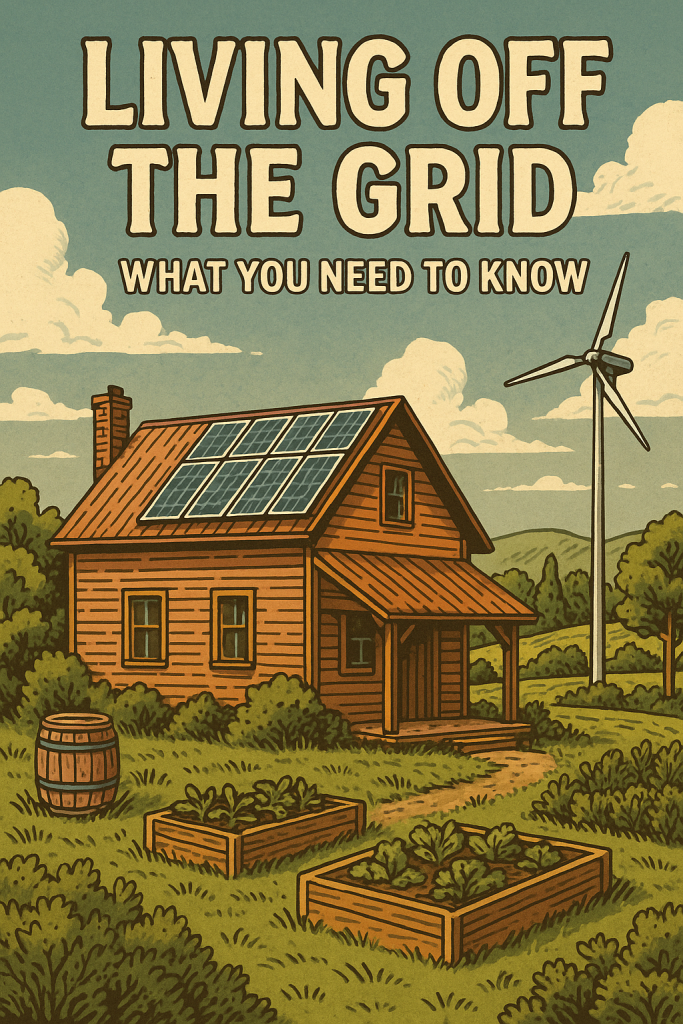
In the past, living off the grid was mostly associated with remote cabins and survivalists. Today, the meaning has expanded. Off grid living can describe a family using solar panels in the desert, a couple raising livestock in the woods, or even suburban households reducing dependence on public services. What ties all these examples together is the choice to become more independent, resourceful, and resilient.
The modern off grid lifestyle does not always mean complete isolation. Some people choose to go fully independent, while others blend the best of both worlds by keeping internet or occasional utility access. What matters most is the intention to reduce reliance on outside systems and build a more sustainable way of living.
Why more people are choosing this lifestyle
Across the United States, the number of people curious about how to live off the grid has been rising. The reasons are varied, but a few themes come up again and again.

Rising costs of living
Utility bills, fuel, and food prices continue to climb. For many households, investing in an off grid solar system, rainwater collection, or home food production feels like a smarter long term plan than depending on ever increasing monthly bills.
Desire for sustainability
More people are seeking a self sufficient lifestyle to reduce their environmental footprint. Living off the grid often means relying on renewable energy, eating locally grown food, and making conscious choices that minimize waste.
Preparedness and resilience
Unreliable power grids, natural disasters, and supply chain disruptions have highlighted the risks of relying too heavily on centralized systems. Families see off grid living basics as a way to increase their resilience and protect themselves from future uncertainty.
Freedom and independence
For many, living off grid in the US represents a chance to reclaim freedom. Instead of depending on landlords, city infrastructure, or corporate suppliers, you gain direct control over your water, food, and power. This independence appeals to those who want to live on their own terms.
Connection to nature
Another reason is the simple desire to slow down and reconnect with the land. An off grid homestead often means waking up with the sun, working outdoors, and living more closely with natural rhythms. People who feel burned out by city life are drawn to this simplicity.
Of course, the decision to live off the grid is not one to take lightly. It requires planning, skills, and a willingness to adapt. Yet despite the challenges, thousands of people every year take steps toward this lifestyle, whether that means installing a solar panel on a suburban home or building a full off grid cabin in the wilderness.
Choosing this path is not about rejecting modern life completely. It is about creating balance, security, and a deeper sense of responsibility for your own survival. Off grid living basics give you the knowledge and confidence to meet your needs without relying entirely on fragile systems.
Can you really live off the grid in the US?
When people first hear about off grid living, one of the first questions that comes up is whether it is even legal. The truth is that the answer depends on where you live. The United States is a large country with different state laws, county ordinances, and city regulations. While living off the grid is possible in every region, the amount of freedom you have will vary.
Legal and zoning considerations
Every property is subject to zoning laws. These rules dictate how land can be used, what structures can be built, and whether you must stay connected to public utilities. Some counties welcome off grid living and have flexible codes, while others require connections to water, electricity, or sewage systems by law.
For example, in many rural counties it is perfectly legal to build an off grid cabin with its own solar system, well, and septic tank. In contrast, some suburban or city areas will not allow a house to exist without utility hookups. Before you buy land, research local regulations carefully and speak with the county planning office.
Building codes also play a role. Tiny houses, composting toilets, and rainwater collection systems are sometimes restricted or require permits. While these rules can feel limiting, they are important to understand before investing money into land or equipment. Ignoring them can lead to fines or even demolition orders.
It is worth noting that off grid living does not mean living outside the law. In most places, you can find legal ways to become more independent, even if it means blending off grid systems with some level of utility access.
Popular states for off grid living
Certain states have become popular destinations for people interested in how to live off the grid. These regions tend to have a combination of affordable land, supportive regulations, and natural resources that make self sufficient living possible.
Alaska
Known for its vast wilderness, Alaska is often the first state people think of for off grid living. Land is plentiful, wildlife is abundant, and residents are accustomed to independence. However, harsh winters and remote access make it a challenge for beginners.
Montana and Idaho
Both states offer large amounts of rural land with fewer restrictions. With forests, rivers, and fertile soil, they provide excellent opportunities for hunting, fishing, and farming. Winters can be cold, but many homesteaders thrive in these conditions.
Tennessee
This state is attractive because of its mild climate, relatively low land prices, and lenient regulations. Rainfall is plentiful, making it easier to manage water needs through wells or rainwater collection.
Colorado
Colorado has become a hotspot for sustainable living communities. Sunshine makes it ideal for solar power, and many rural areas are welcoming to off grid cabins and homesteads. The downside is that land prices have been rising in popular areas.
Arizona and New Mexico
For those who prefer desert living, these states offer inexpensive land and few zoning restrictions in rural counties. Solar power thrives here, but water scarcity is a major concern. Rainwater harvesting and careful planning are essential.
Maine and Vermont
In the northeast, these states are popular with people looking for a forested environment. Both offer affordable land compared to neighboring states, and many communities are open to homesteading. Winters are long and cold, so preparation is key.
Why location matters
The place you choose will shape every aspect of your off grid lifestyle. Climate influences which crops grow and what heating or cooling systems you will need. Local laws determine how much independence you can achieve. Community attitudes can make the difference between supportive neighbors and constant struggles.
For anyone serious about living off grid in the US, visiting potential locations before moving is wise. Spend time talking to locals, exploring resources, and learning about seasonal conditions. Making an informed decision early can save you years of frustration.
The basics of off grid living
Living off the grid requires more than a cabin in the woods. To succeed, you need reliable systems that cover your daily needs. The core areas to focus on are energy, water, food, and waste. These are the foundations of every self sufficient lifestyle.
Energy solutions
Power is often the first challenge for those learning off grid living basics. The most common solution is solar energy. An off grid solar system can provide electricity for lighting, appliances, and tools. In sunny areas, solar is highly reliable and becoming more affordable every year.
Wind power is another option if you live in an open area with consistent breezes. Small wind turbines can supplement solar panels, especially in cloudy or winter months. In some regions, micro hydro systems use streams or rivers to generate power continuously.
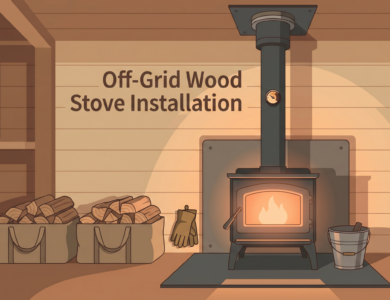
Beyond electricity, many off grid homes rely on wood stoves for heating and cooking. Wood is renewable, widely available in forested areas, and dependable during outages. Some families also use propane or biodiesel as backup fuel sources. The key is to design a system that fits your environment and provides redundancy in case one source fails.
Water access and rainwater collection
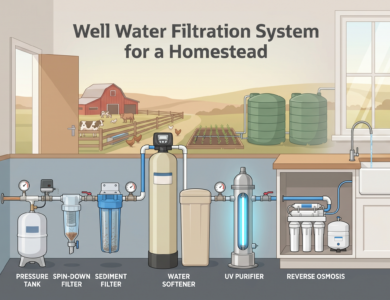
Water is essential, and managing it off grid can be complex. Wells are the most common solution, providing a steady supply if groundwater is available. Drilling a well can be costly, but it offers long term security.
Rainwater collection is another popular method. By installing gutters, storage tanks, and filters, you can capture rain for drinking, cooking, and irrigation. In many states, this practice is legal and encouraged, but always check local rules before setting up a system.
Surface water such as streams or ponds can also be valuable. If you rely on them, purification is critical. Filtration, boiling, or UV treatment ensures that water is safe for household use. Many off grid families combine several methods to make sure they never run out.
Food production and preservation
Producing your own food is one of the most rewarding parts of living off grid in the US. A garden provides fresh vegetables and herbs, while fruit trees or berry bushes add long term harvests. Livestock such as chickens, goats, or rabbits can supply eggs, milk, and meat for those who choose to raise animals.
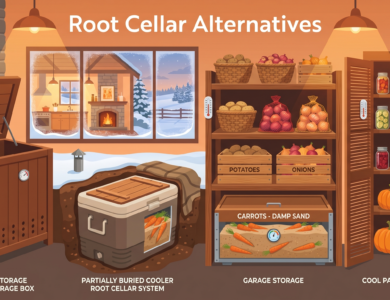
Food preservation is equally important. Without reliable grocery stores nearby, you need to store harvests for winter. Canning, drying, and fermenting allow you to keep food for months at a time. Root cellars and cold storage rooms are traditional solutions that still work today.
Even in small spaces, you can practice these skills. Start with a small garden, learn food preservation basics, and expand gradually. The combination of fresh production and storage ensures your homestead remains secure year round.
Waste management and sanitation
Waste is often overlooked when people imagine off grid living, but it is critical for health and comfort. Human waste can be managed with septic systems, composting toilets, or outhouses depending on regulations and personal preference. Composting toilets are especially popular because they reduce water use and create valuable soil amendments.
Household waste should be minimized. Recycling, reusing, and composting kitchen scraps all reduce trash. Burning or burying waste may be allowed in rural areas, but it must be done safely and in accordance with local laws.
Graywater systems, which reuse sink or shower water for irrigation, can also increase efficiency. Properly designed, these systems keep your homestead clean and environmentally friendly.
Why mastering the basics matters
Energy, water, food, and waste management form the backbone of off grid life. Without reliable systems, daily survival becomes stressful. By focusing on these essentials first, you set yourself up for long term success. Everything else such as income, hobbies, or comfort—can be built once the basics are in place.
ven a self sufficient lifestyle still involves some expenses, such as clothing, internet, or property taxes.
The cost of living off the grid varies widely. Some people manage on less than $10,000 per year once systems are in place. Others spend more than $30,000 annually, especially if they maintain vehicles, larger herds, or high tech systems.
Ways to reduce costs
The good news is that there are many ways to make off grid living more affordable.
- Start small instead of trying to build everything at once. Add solar panels gradually, begin with a garden before adding animals, and improve systems year by year.
- Use salvaged or recycled materials whenever possible. Many homesteaders build greenhouses, sheds, or raised beds from pallets, scrap lumber, or old windows.
- Learn repair skills. Being able to fix plumbing, wiring, or structures yourself saves thousands in labor costs.
- Focus on efficiency. A smaller, well insulated cabin costs less to heat and cool than a larger home. Growing crops that thrive in your climate reduces waste and input costs.
- Trade and barter with neighbors. Swapping eggs for firewood or vegetables for mechanical work keeps money in your pocket.
Why money should not stop you
Starting off grid living does not require winning the lottery. With patience and creativity, you can build your homestead step by step. Even if you begin with limited resources, each improvement adds independence. The key is to avoid comparing your journey with those who invest huge sums upfront.
Your homestead does not need to be perfect or complete on day one. What matters is progress. A small solar setup, a rain barrel, and a thriving garden may provide more satisfaction and security than an expensive system you cannot maintain.
Advantages and challenges of living off the grid
Choosing to live off the grid is exciting, but it comes with both benefits and difficulties. Understanding both sides will help you prepare realistically and avoid disappointment.
Benefits of off grid living
Freedom and independence
One of the biggest advantages is freedom. By producing your own power, water, and food, you are no longer tied to utility companies or vulnerable to price increases. You decide how to manage your resources and what your lifestyle looks like.
Sustainability
Living off the grid usually means relying on renewable energy and natural systems. Solar panels, rainwater collection, and organic gardening all reduce your impact on the environment. Many families find pride in leaving a lighter footprint and knowing they contribute to a healthier planet.
Resilience
When storms, blackouts, or supply chain problems hit, off grid households remain secure. You do not have to worry about losing power for days or empty supermarket shelves. This resilience brings peace of mind, especially in uncertain times.
Healthier lifestyle
Producing your own food often means eating fresher and healthier meals. Gardening and raising animals also provide daily physical activity. Many people find that their mental health improves as they spend more time outdoors and less time in front of screens.
Connection to nature
Living off grid places you in closer contact with the land. You rise and rest with natural light, learn the habits of local wildlife, and become more aware of the seasons. This connection creates a sense of balance and purpose that is hard to find in cities.
Challenges of off grid living
Isolation
Depending on where you settle, living off grid can feel lonely. Rural properties may be far from friends, schools, or medical services. Building community connections is essential to avoid isolation and burnout.
Labor intensive lifestyle
Managing energy systems, tending animals, growing food, and maintaining structures all require daily work. There are no days off when animals need feeding or when firewood must be split for winter. The physical demands can be exhausting for beginners.
Unexpected costs
Even with careful planning, things break. Batteries fail, roofs leak, animals need veterinary care, or storms damage structures. These surprises can add financial stress, especially if you rely on a tight budget.
Steep learning curve
Cooking on a wood stove, repairing solar systems, or canning a large harvest all take practice. Mistakes are part of the process, but they can be frustrating and costly. Having patience and a willingness to learn is vital.
Weather dependence
Off grid living often depends on nature. Solar panels do not produce as much power during long cloudy spells. Wells can dry up in droughts. Gardens may suffer from pests or storms. These challenges require backup systems and flexibility.
Why balance is important
Recognizing both benefits and challenges helps you create a realistic plan. The rewards are real, but they do not come without effort. Many people find that the joy of independence and connection to nature outweighs the difficulties. Others discover that blending off grid systems with partial utility use offers the best balance.
Living off the grid is not about escaping society entirely. It is about designing a lifestyle that prioritizes freedom, resilience, and sustainability. With preparation and patience, you can enjoy the advantages while managing the challenges.
Step by step guide to start living off the grid

Living off the grid can seem overwhelming when you first begin. Breaking it into steps makes the process easier and less intimidating. Instead of trying to build a full system overnight, you can transition gradually while learning along the way.
Start with skills before land
The first step is not buying property. It is building skills. Learn to cook from scratch, practice food preservation basics, and try gardening in containers. If you live in the city, join a community garden or volunteer on a local farm. These experiences prepare you for the daily responsibilities of off grid living. Without these skills, even the best land and systems can fail.
Other useful abilities include basic carpentry, plumbing repairs, and firewood management. The more you can do yourself, the less you depend on expensive outside help. Skills are free to practice now and will save you countless dollars later.
Find the right location
Once you are confident in your skills, start looking for land. Consider climate, water availability, and zoning laws. Do you want sunshine for solar power, forest for firewood, or rivers for water? Check if wells are common in the area or if rainwater collection is a better choice.
Community also matters. Even if you want privacy, supportive neighbors or local networks make life easier. Visit potential areas during different seasons. Talk to locals about soil quality, weather, and regulations. Choosing the right location is one of the most important decisions in your off grid journey.
Build shelter and essential systems
With land secured, the next step is shelter. Some people start with simple off grid cabins or tiny homes. Others convert mobile structures such as RVs or buses. Keep it small at first to save money and reduce maintenance. A modest, well insulated shelter is easier to heat and cool than a large one.
Once you have a place to live, focus on the essential systems. An off grid solar system or a combination of solar and wind power ensures electricity. A well or rainwater system guarantees water. A composting toilet or septic tank manages waste. These systems form the backbone of your homestead and should be built before adding comfort items.
Transition gradually
Many people fail because they try to change everything at once. A gradual transition increases your chances of success. Start with part time off grid living if possible. Spend weekends on your land while keeping your current job and income. Test your systems, practice gardening, and adjust your routines.
Once your systems are stable, you can move full time. By then, you will have learned what works, what needs improvement, and how to handle the challenges of independence. This step by step approach prevents burnout and reduces financial risk.
Why gradual progress works
Transitioning slowly allows you to celebrate small victories. Each jar of canned food, each solar panel added, and each harvest from your garden builds confidence. Over time, these small achievements add up to a complete self sufficient lifestyle.
Off grid living is not a race. It is a journey of learning and adaptation. By focusing on skills, location, shelter, and gradual transition, you set yourself up for long term success rather than short lived frustration.
Off grid lifestyle tips for beginners
Living off the grid is more than building systems. It is a lifestyle that requires patience, resilience, and the right mindset. Beginners who prepare mentally and emotionally often adapt better than those who only focus on technical setups. These tips will help you thrive during your transition.
Building community support
One of the most overlooked aspects of off grid living is community. Even if your goal is independence, complete isolation can be difficult. Neighbors, friends, or local homesteading groups can become valuable allies. They can share tools, trade produce, or help in emergencies.
Many regions also have cooperatives or networks dedicated to off grid homesteads. Joining these groups gives you access to knowledge and resources. Having support reduces loneliness and builds a safety net, especially in rural areas.
Preparing for emergencies
When you live off grid, you are responsible for your own safety. Storms, accidents, or equipment failures can create serious challenges if you are unprepared. Keep backup systems for heat, water, and food. For example, store extra firewood, keep a generator, or maintain a supply of preserved food.
First aid skills and supplies are also essential. Being far from medical services means you should know how to handle minor injuries or illnesses. Investing in training now can make a huge difference later.
Emergency planning also includes communication. Radios or satellite phones are useful in remote areas where cell service is unreliable. Having ways to contact others increases your security and peace of mind.
Staying balanced and avoiding burnout
The off grid lifestyle is rewarding but demanding. The constant work of tending animals, growing food, and maintaining systems can lead to exhaustion. Many beginners push too hard in the first year and burn out. To avoid this, pace yourself. Focus on a few priorities instead of trying to do everything at once.
Taking time to rest is just as important as completing chores. Enjoy the quiet of nature, spend evenings with family, and celebrate progress. Homesteading is a marathon, not a sprint. Building a sustainable rhythm ensures you will enjoy the lifestyle long term.
Blending modern convenience with tradition
Some people think living off grid means rejecting all modern technology. In reality, many homesteaders choose to balance tradition with convenience. Solar panels, internet access, or even a freezer powered by renewable energy can make life easier without reducing independence.
Using a mix of old and new tools is often the smartest path. For example, baking bread from scratch is rewarding, but having a solar powered oven makes it easier. Collecting rainwater is practical, but filtering it with modern systems ensures safety. The goal is to design a lifestyle that works for you, not to follow rigid rules.
The mindset shift
Perhaps the most important tip for beginners is to embrace the mindset of problem solving. Things will break, weather will surprise you, and projects will fail. Instead of viewing these as setbacks, see them as learning opportunities. Every challenge teaches you new skills and makes you more capable.
Living off the grid is as much about personal growth as it is about producing food or energy. It teaches patience, resilience, and creativity. Over time, you will find yourself less stressed by problems and more confident in your ability to adapt.
Faq
Is it legal to live off the grid in the US?
Yes, but legality depends on location. In some rural counties, you can legally build an off grid cabin with solar, wells, and composting toilets. In other areas, zoning laws require connections to utilities. Always check local rules before buying land or setting up systems.
How much land do you need to live off the grid?
It depends on your goals. A small family can practice self sufficient living on one to five acres with gardens and a few animals. Larger herds, orchards, or commercial farming will require more space. The key is to start with what you can manage and expand as needed.
Can you live off the grid with a family?
Absolutely. Many families choose this lifestyle together. Children often learn responsibility by helping with gardening, animals, and household tasks. It requires teamwork, but families often find the lifestyle brings them closer together.
How long does it take to become self sufficient?
Full self sufficiency usually takes years. Building energy systems, developing soil, and learning preservation skills require time. However, you can begin reducing dependence immediately by cooking from scratch, preserving food, and growing small gardens. Each year adds more independence.
What is the cheapest way to start off grid living?
The cheapest way is to start small. Practice gardening, food preservation, and water collection before investing in land. When you are ready for property, choose affordable rural areas with supportive regulations. Use salvaged materials, build simple shelters, and expand gradually. This approach costs far less than trying to set up everything at once.
Final thoughts & what we think
Living off the grid is not just about where you live but how you live. It is a choice to reduce dependence, embrace sustainability, and take responsibility for your own needs. It requires effort, patience, and creativity, but the rewards are worth it.
You do not need to start with a remote cabin and a full solar system. You can begin today, right where you are. Learn to cook from scratch, practice food preservation, or start a balcony garden. These first steps cost little but build the foundation for a self sufficient lifestyle.
As you gain skills and confidence, you can expand. Maybe you add rainwater collection, build a composting system, or install a small solar panel. Over time, these improvements lead to independence. Living off the grid in the US is not about cutting yourself off from the world. It is about building resilience, freedom, and balance.
The challenges are real, from maintenance costs to isolation, but the benefits outweigh them. Fresh food, clean water, renewable energy, and a deeper connection to nature bring peace of mind that money cannot buy.
This complete guide to off grid living gives you the basics, the costs, the advantages, and the steps to start. The journey will not be perfect, but it will be meaningful. If you are curious about how to live off the grid, remember that the first step is always possible. Begin today with what you have, and let your homestead grow with you.
Keywords
- living off the grid
- How to live off the grid
- Off grid living basics
- Living off grid in the US
- Complete guide to off grid living
- Off grid solar system
- Off-grid lifestyle
- Rainwater collection
- Off grid cabin
- Self sufficient lifestyle
- Off grid homestead
- Renewable energy off grid
- Cost of living off the grid
- Off grid challenges
">Discover Homesteading
Send an email
3 Comments