How to start a homestead with no land: Practical skills for beginners
 ">Discover Homesteading
Send an email
">Discover Homesteading
Send an email
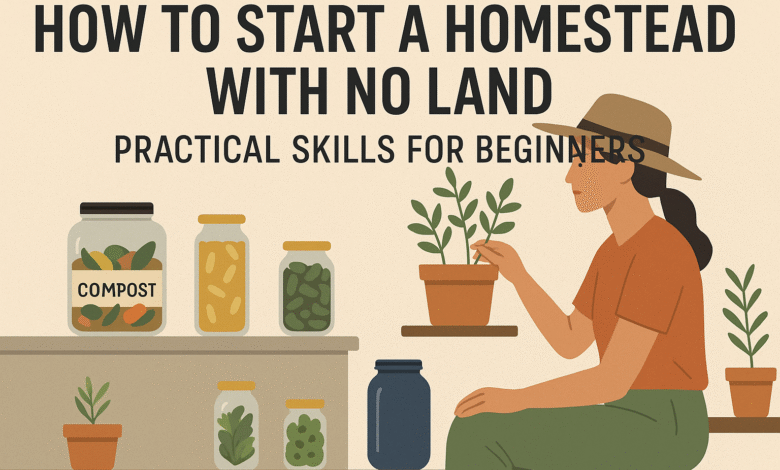
How to start a homestead without land: Beginner’s guide 2026
Can you really start homesteading without land?
How to start a homestead with no land? If you think you need acres of land, a barn, and a herd of animals to call yourself a homesteader, think again. Modern homesteading isn’t about the size of your property it’s about the mindset of self sufficiency, creativity, and a willingness to learn. In 2026, more people than ever are starting their homesteading journey from apartments, suburban houses, and rented spaces.
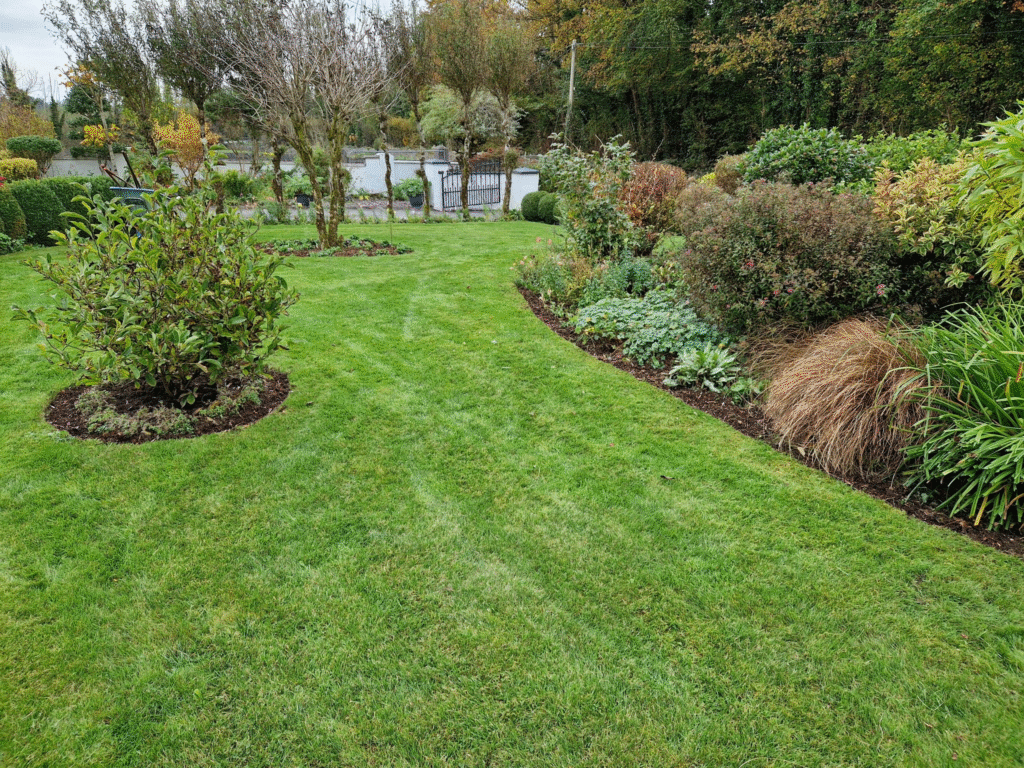
The truth is, you can absolutely start homesteading with no land. What matters most is learning the skills and habits that prepare you for the lifestyle you want. Owning property might come later, but the foundation of a successful homestead begins long before you plant your first fruit tree or build a chicken coop.
Understanding the modern meaning of homesteading
Homesteading has evolved. A century ago, it meant claiming government land and farming it for survival. Today, it’s a lifestyle of independence, sustainability, and connection to the land no matter where you live. You don’t need a hundred acres to live intentionally. You can homestead in a city apartment, a rented duplex, or a suburban home with a small backyard.
What defines a homesteader today is not how much land they own but how much they create and maintain for themselves. When you cook from scratch, grow herbs on a windowsill, preserve food, or reduce your waste, you are already living by homesteading principles.
Why you don’t need acres to begin
Land is valuable, but knowledge is priceless. Many people rush to buy property without knowing how to grow a single tomato or preserve food safely. They quickly find themselves overwhelmed. The smartest approach is to build your skills now, while your expenses and responsibilities are low.
When you finally buy or rent land, you’ll know exactly how to use it effectively. You’ll understand what crops grow well in your climate, how to manage food storage, and how to live simply without relying on constant consumption.
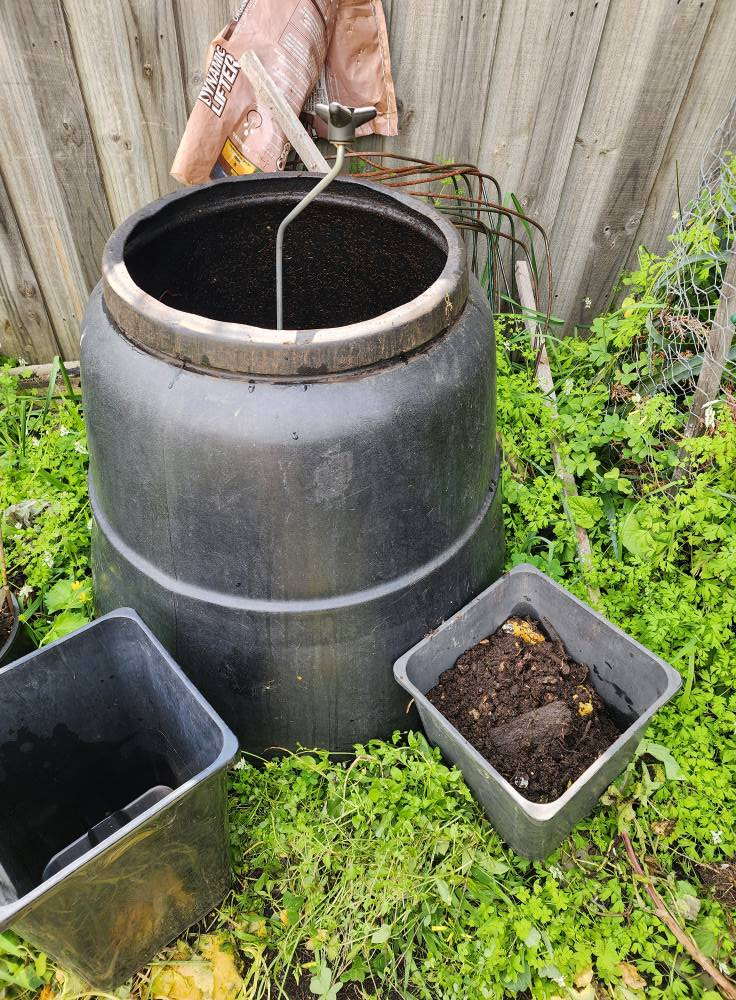
Starting small also lets you experiment without stress. You can try different gardening techniques, composting systems, or cooking methods at home. If something doesn’t work, you learn without losing money or resources.
The mental shift that defines a homesteader
Homesteading starts in your mind long before it starts in your soil. It’s about changing how you see resources, waste, and daily life. Instead of throwing things away, you ask, “Can I reuse this?” Instead of ordering takeout, you think, “Can I make this myself?”
This mindset shift turns ordinary life into a practice of sustainability. You begin to see your home, no matter how small, as a place where self sufficiency grows. You start making choices that reduce dependency learning to cook, fix, grow, and save instead of constantly buying and replacing.
Why this approach matters
Starting homesteading without land gives you time to develop confidence and discipline. It removes the pressure of managing property and lets you focus on learning. By the time you own land, you’ll already have the experience to make it thrive.
The most successful homesteaders in the country didn’t start with acreage they started with curiosity. They made bread from scratch, composted kitchen scraps, grew herbs on balconies, and learned to repair things instead of replacing them.
No land doesn’t mean no homestead it means no limits. Every skill you learn today brings you one step closer to your future homestead.
Learn skills before you buy land
The best homesteaders aren’t made the day they buy land they’re built through years of learning and experimenting. You can begin developing your skills right now, even if you live in an apartment or rent a small house. Think of this as your training phase, a time to master the habits and techniques that will make you self sufficient later.
Cooking from scratch
Cooking from scratch is one of the most empowering homesteading skills. It connects you to your food, saves money, and reduces waste. Start by learning how to make basic staples yourself bread, soup, yogurt, and even simple sauces. When you cook your own meals, you understand ingredients, flavors, and preservation in a whole new way.
Once you feel comfortable, challenge yourself to replace processed foods with homemade versions. Bake your own bread instead of buying it. Make your own broth instead of using cubes. Every meal you cook from raw ingredients brings you closer to the homesteading lifestyle.
Even if your kitchen is small, you can still practice self sufficiency. Try using a slow cooker or cast iron pan. Grow herbs on your windowsill to flavor your food naturally. These small steps create habits that will serve you for life.
Gardening in small spaces
You don’t need acres to learn how to grow food. A few pots on a balcony or windowsill are enough to get started. Start with easy plants like basil, lettuce, tomatoes, or green onions. These grow quickly and teach you how to care for soil, water, and light.
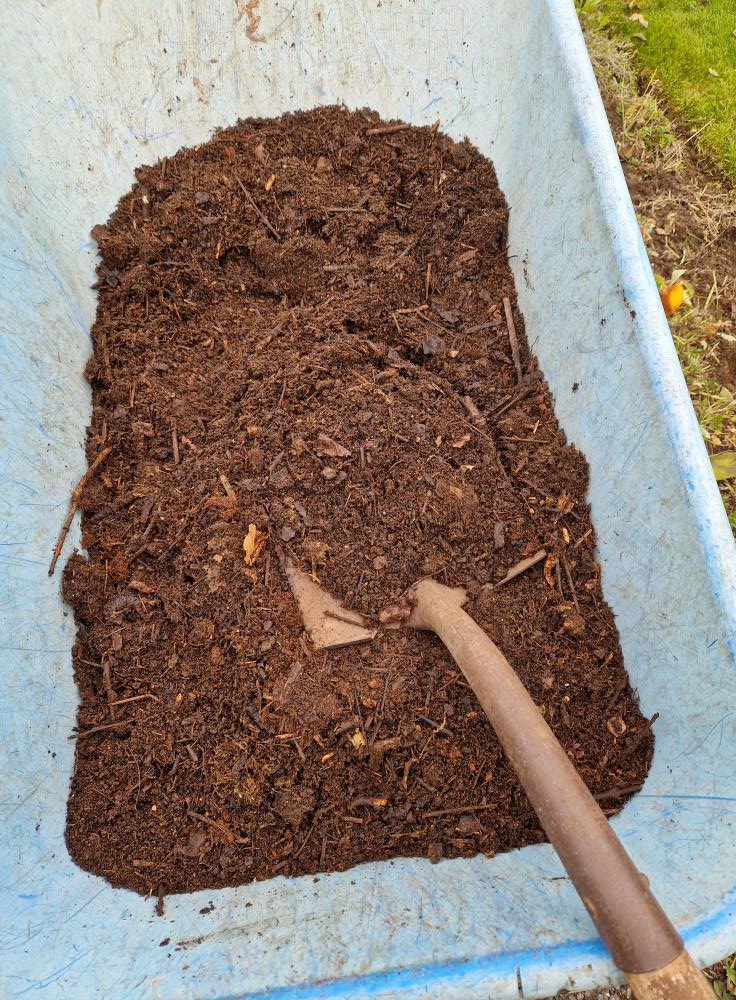
Container gardening is perfect for beginners. It helps you understand how plants react to different conditions and teaches you the patience needed for larger gardens later on. Once you master pots, you can try raised beds, vertical gardens, or hydroponic systems if you have more space.
Remember, gardening isn’t just about food it’s about observation. You’ll learn to notice the signs of healthy soil, when plants need water, and how to handle pests naturally. These lessons will save you time and frustration once you have a real homestead.
Food preservation and storage
Learning how to preserve food is one of the most valuable skills for anyone who dreams of self sufficiency. You can start small with freezing and dehydrating. Once you’re ready, try canning, fermenting, or pickling. These methods let you store food safely for months, even without refrigeration.
Start by making something simple, like homemade jam or pickled vegetables. Experiment with dehydrating herbs or fruits. Over time, you’ll learn which foods preserve best and which techniques fit your lifestyle.
Food preservation teaches patience and planning two essential traits for homesteaders. It also reduces food waste and helps you appreciate every harvest, no matter how small.
Natural cleaning and DIY products
Part of the homesteading lifestyle is cutting down on chemicals and waste. Making your own cleaning products is easy, inexpensive, and safe for your home. With just vinegar, baking soda, lemon, and essential oils, you can make natural cleaners for your kitchen, bathroom, and laundry.
Try making your own soap, candles, or beeswax wraps for food storage. These simple projects build confidence and reduce your dependency on store bought items. They also save money and help you live a cleaner, healthier life.
Learning these practical skills before owning land gives you a huge advantage. By the time you move to your future homestead, you’ll already know how to cook, grow, preserve, and make essential products. You’ll arrive prepared instead of overwhelmed.
The more you practice now, the smoother your transition to rural life will be later. Homesteading is a journey of learning and every skill you build today is a seed planted for tomorrow’s independence.
Build self sufficiency at home
You don’t need to live in the countryside to live independently. In fact, some of the best lessons in homesteading come from building self sufficiency right where you are now. Every home, no matter how small, can become a place of learning, creativity, and resourcefulness.
Reduce waste and live simply
The simplest way to start living more self sufficiently is to cut down on waste. Take a look around your home how much do you throw away each week? Food scraps, packaging, and unused items are often resources waiting to be reused.
Start small. Save glass jars instead of throwing them out. Use them for storing dry foods, homemade cleaners, or seeds. Compost your kitchen scraps if you have outdoor space, or start a small indoor worm composting system. Learning how to reuse and recycle what you already have is one of the foundations of a sustainable homestead.
Living simply also means being intentional about what you buy. Before purchasing something new, ask yourself if you can repair, borrow, or make it instead. This habit not only saves money but trains your mind to think creatively just like true homesteaders do.
Grow herbs and microgreens indoors
Even without a yard, you can grow your own food. Herbs like basil, mint, chives, and thyme grow perfectly well in small pots near a sunny window. They require little maintenance, grow quickly, and make your meals taste better.
Microgreens are another great option. They take up almost no space and can be harvested in less than two weeks. You can grow them on a kitchen counter using only trays, soil, and seeds. These tiny plants are rich in nutrients and add freshness to salads, sandwiches, and soups.
By growing small crops indoors, you’ll develop the discipline, observation skills, and sense of satisfaction that gardening provides. Watching something you’ve planted grow and end up on your plate is one of the most rewarding parts of homesteading.
Practice sustainable habits daily
Sustainability is not a weekend project it’s a daily practice. Small, consistent actions make the biggest difference over time. Start by reducing your electricity use. Turn off lights you’re not using, unplug electronics, and consider switching to LED bulbs.
Conserve water by collecting rainwater if you can or by using greywater from dishwashing to water plants. Try air drying clothes instead of using a dryer, or wash with cold water to save energy.
You can also reduce waste by buying in bulk, avoiding single use plastics, and choosing reusable items whenever possible. These small habits build discipline and prepare you for life in a self reliant environment.
The power of mindset and consistency
Building self sufficiency isn’t about doing everything perfectly. It’s about doing something every day. You don’t have to grow all your food or make all your products from scratch to start calling yourself a homesteader. You simply need to take one more step toward independence each week.
This approach makes the lifestyle manageable and sustainable. One month you might learn to bake bread, the next to grow herbs, and later to preserve food. These small wins add up quickly and give you confidence to take on bigger projects.
Every skill you build at home cooking, growing, preserving, or reusing is a foundation for your future homestead. You’re not just learning techniques; you’re training yourself to think like a homesteader.
The best part is that you don’t need permission or perfect conditions to start. Your apartment, balcony, or rented house is your classroom. Self sufficiency starts the moment you decide to take control of your resources, no matter where you live.
Creative ways to homestead without property
If you want to homestead but don’t own land, don’t worry you have more options than you think. Across the country, creative people are finding ways to practice self sufficiency through community gardens, shared spaces, and hands-on learning opportunities. These experiences help you build skills, connect with others, and live the homesteading lifestyle long before you own property.
Join a community garden
Community gardens are one of the easiest and most affordable ways to start growing your own food. Many cities and towns have them, often run by local nonprofits or neighborhood associations. For a small annual fee or sometimes for free you can rent a small plot and grow whatever you like.
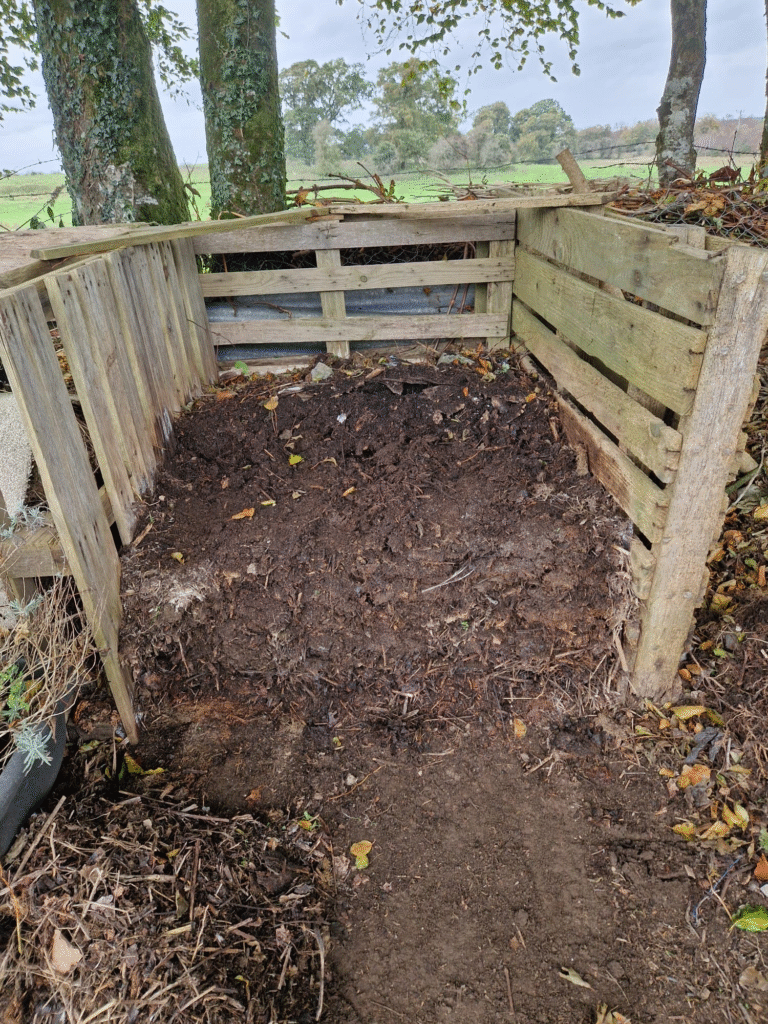
Working in a community garden gives you access to good soil, tools, and water, all without having to invest in your own land. You’ll also learn from other gardeners who can share tips about planting, soil care, and composting.
These gardens often create a strong sense of community. You’ll meet people who share your values, exchange produce, and sometimes even trade seeds or homemade goods. It’s an excellent first step for anyone wanting to practice real homesteading in an urban setting.
Rent or share space for growing food
If there are no community gardens nearby, you can still grow food by renting or sharing land. Many homeowners with large backyards are happy to let others garden on their property in exchange for fresh produce or help maintaining the space.
Websites and local social media groups now make it easy to connect with people willing to share land. This arrangement benefits everyone: you get a place to grow food, and they get a beautiful, productive garden without all the work.
You can also look for small farms that rent garden plots to individuals. These “farm share” programs often include access to water, tools, and compost, which makes it even easier to get started.
If you have friends or family with extra space, propose a simple collaboration. Offer to care for the garden in exchange for a portion of the harvest. Not only will you learn valuable skills, but you’ll also prove to yourself that you can manage crops, plan seasons, and handle small scale food production.
Volunteer or intern on a local farm
One of the fastest ways to gain real experience is by volunteering or interning on a local farm. Many small farms welcome extra hands during planting or harvest seasons, and in exchange, they teach valuable skills like soil management, irrigation, and animal care.
You’ll see firsthand what it takes to run a productive operation without the financial risk of owning one. It’s also a great way to test whether you truly enjoy the daily rhythm of homesteading life.
Some programs, such as WWOOF (Worldwide Opportunities on Organic Farms), even allow you to volunteer on farms around the country in exchange for food and lodging. It’s an incredible way to learn different farming styles and meet people who share your passion for sustainable living.
Turning creativity into opportunity
The biggest secret of homesteading without land is creativity. If you truly want to learn, you can find opportunities almost anywhere. A balcony can become a garden, a spare room can hold preserved food, and a friend’s yard can host your first vegetable patch.
Each experience teaches you something new how to manage soil, plan harvests, store food, and care for living things. By the time you have your own land, you’ll already know what works and what doesn’t.
You don’t need to wait for “someday” to start living the lifestyle you dream about. Homesteading is not a location it’s a mindset. And once you embrace it, even the smallest space becomes fertile ground for learning.
Urban and small space homesteading ideas
City life and homesteading might seem like opposites, but they don’t have to be. In fact, urban and small space homesteading is one of the fastest growing movements in America. From rooftop gardens to balcony chicken coops, people everywhere are proving that self sufficiency can happen anywhere.
Balcony and rooftop gardens
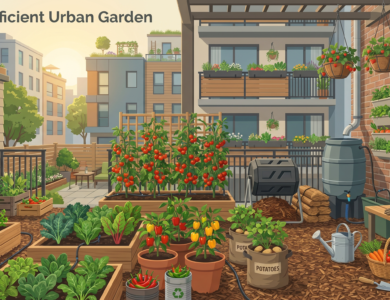
If you live in an apartment or townhouse, your balcony or rooftop can be your mini farm. With the right containers, soil, and sunlight, you can grow everything from lettuce and tomatoes to strawberries and peppers. Vertical gardening racks and hanging planters make it possible to grow a surprising amount of food in just a few square feet.
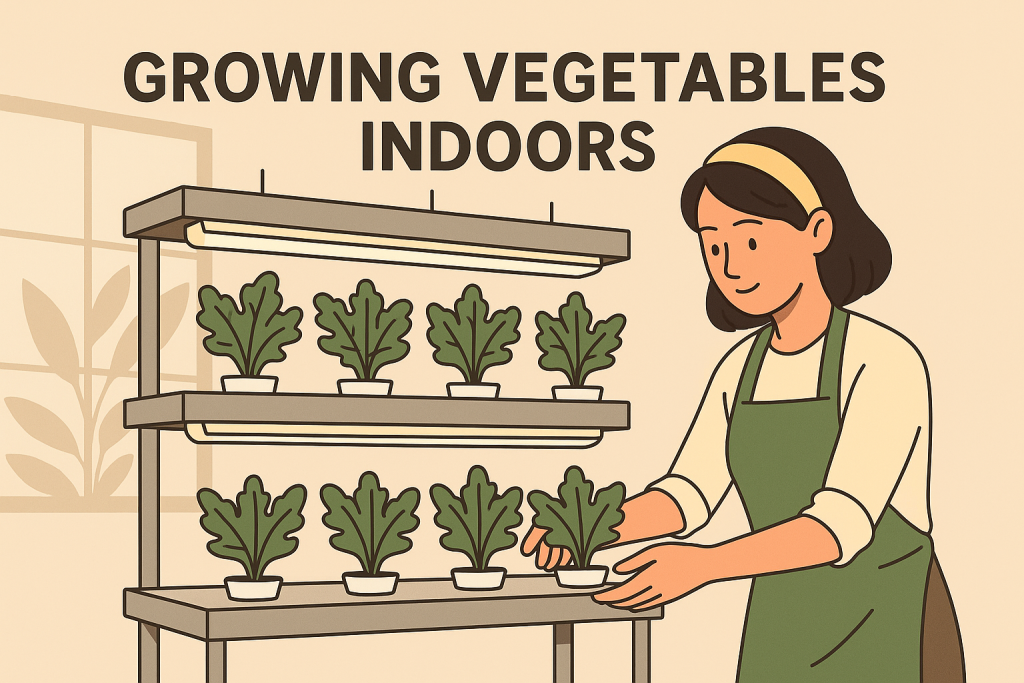
Rooftops can also host raised beds, small greenhouses, or hydroponic systems. Before you start, make sure your building allows it and that the surface can handle the weight of soil and water. Add compost, good drainage, and mulch to keep your plants healthy in hot weather.
Even a few pots of herbs or salad greens can reduce grocery costs and give you a fresh connection to your food every day. It’s a simple but powerful way to bring a little piece of homesteading into city life.
Small livestock like quail or rabbits
If your city regulations allow it, small animals like quail or rabbits can be part of an urban homestead. Quail are quiet, easy to care for, and provide both eggs and meat. They require little space and can live comfortably in a small outdoor hutch or even a converted balcony enclosure.
Rabbits are another excellent choice for small spaces. They produce nutrient rich manure that’s perfect for gardens, and they can thrive in compact hutches. If raising animals for food isn’t for you, rabbits can also be kept simply for manure production and companionship.
Always check your local ordinances before starting. Some cities allow chickens or quail but limit flock sizes. Even if you can’t raise animals, you can often partner with local farms to collect compost or trade homemade goods for eggs or milk.
Composting and recycling in cities
Composting may sound difficult in urban settings, but there are plenty of options. Countertop compost bins, worm farms, and bokashi systems work perfectly indoors. They turn food scraps into nutrient rich material for plants and reduce waste at the same time.
If your city offers a compost collection program, participate in it. It’s a great way to contribute to sustainability even if you don’t use the compost yourself.
Recycling is another essential part of small space homesteading. Separate materials properly, reuse containers, and look for creative ways to repurpose everyday items. Glass jars can store dry foods, cardboard can become seed trays, and old furniture can be turned into garden planters.
The beauty of small scale living
Urban and small space homesteading teaches you to do more with less. Every square foot becomes valuable, every jar of preserved food a victory. You learn to think resourcefully to make, fix, and grow instead of constantly buying.
Even in the middle of a city, you can live a slower, more meaningful life. You can grow your own salad on a balcony, dry herbs in your kitchen, and make your own soap. Each small habit brings independence and satisfaction.
The point isn’t to escape city life it’s to make city life more intentional. When you build a homestead mindset in an urban setting, you prepare yourself for bigger opportunities later. The lessons you learn in a tiny garden or with a few quail will serve you for a lifetime.
Preparing for your future homestead
Starting your homesteading journey without land gives you a powerful advantage you have time to prepare. While others rush into buying property before they’re ready, you can build the skills, savings, and connections that will make your future homestead thrive. This stage is about building your foundation, piece by piece.
Building your skill set and tools
Every successful homesteader has a set of core skills that makes life easier and more efficient. These include gardening, carpentry, food preservation, animal care, and basic repairs. You don’t need to master everything at once, but you can start building confidence one skill at a time.
Take community classes or online workshops to learn about canning, herbal medicine, or woodworking. Volunteer at local farms or gardens to gain real hands-on experience. Read books or listen to podcasts from people who are already living off the land. The more you learn now, the less you’ll struggle later.
Along the way, start collecting basic tools and equipment. A sturdy shovel, gardening gloves, pruning shears, and hand tools will always be useful. Even if you don’t have a garden yet, investing in quality tools slowly prevents big expenses later. Keep your collection organized and maintained it’s the start of your future workshop.
Saving money for land
One of the biggest barriers to homesteading is the cost of buying property. But with patience and strategy, it’s possible to save up for your dream homestead.
Start by simplifying your current lifestyle. Cook at home instead of eating out, buy secondhand when possible, and focus on experiences rather than possessions. Redirect the money you save toward a dedicated “homestead fund.”
You can also start small. Some homesteaders begin with just half an acre or even a leased lot and expand later. Others buy raw, undeveloped land and build gradually, beginning with a tiny cabin or trailer.
Before buying anything, research property taxes, zoning laws, and water rights in your desired area. Rural properties are often cheaper, but they may require infrastructure like wells or septic systems. Take your time land is a big investment, and choosing wisely will save you stress later.
Networking with the homesteading community
The homesteading world is full of generous, experienced people who love to share what they’ve learned. Connecting with this community now can open doors, save you from costly mistakes, and keep you motivated.
Start by joining local homesteading or gardening groups. Attend workshops, seed swaps, and sustainability fairs. Online communities and forums are also valuable places where you can ask questions, share progress, and get advice.
Some homesteaders even find opportunities through networking renting land from others, exchanging labor for produce, or buying tools secondhand at fair prices. Building relationships in this world is just as important as building your garden.
Setting long term goals
Preparing for a homestead means more than just saving money it’s about visualizing your lifestyle. Think about what kind of homestead you want. Do you see yourself on a small suburban lot or a rural acreage with livestock? Do you want to live fully off grid or stay partly connected to utilities?
These decisions guide your preparation. If your dream includes dairy goats or bees, you can start learning about them now. If you want a solar powered cabin, begin researching energy systems. The more you plan ahead, the smoother your transition will be.
Enjoying the journey
It’s easy to get impatient when you dream of land but don’t have it yet. But this preparation phase is valuable. You’re learning, saving, and growing in ways that will make your eventual homestead more successful.
Every loaf of bread you bake, every herb you grow, and every dollar you save brings you closer to the life you want. Enjoy this process it’s not just the path to homesteading, it’s already part of the lifestyle itself.
FAQ
Can I call myself a homesteader without land?
Absolutely. Homesteading is about mindset and lifestyle, not location. If you cook from scratch, grow food in pots, preserve ingredients, or make your own cleaning products, you’re already practicing the principles of homesteading. You don’t need acres to live intentionally you just need to take daily steps toward independence and sustainability.
What can I grow if I only have a small apartment?
You can grow more than you think. Start with herbs like basil, mint, and chives, or try microgreens, lettuce, and cherry tomatoes. These plants grow well in small containers with sunlight or LED grow lights. You can also sprout seeds indoors or grow edible mushrooms in kits. Even one shelf of plants can add flavor, freshness, and satisfaction to your meals.
How do I learn homesteading skills for free?
There are plenty of free resources available. Many public libraries have books on gardening, canning, and self sufficiency. YouTube channels, podcasts, and local community centers often host workshops or events at no cost. Volunteering on farms or joining a community garden is another great way to learn from experienced people without spending a dollar.
Is it worth starting before owning property?
Definitely. Learning now saves you money and frustration later. You’ll make your beginner mistakes in small, manageable ways before they cost you time or money on a large property. By the time you buy land, you’ll already know what works, what doesn’t, and what kind of homestead fits your lifestyle.
How do I transition from renting to owning a homestead?
Start by setting realistic goals. Save money, build credit, and research areas where land prices fit your budget. Meanwhile, focus on developing the skills and discipline that will make life easier once you move. You can begin collecting tools, preserving food, and building relationships with other homesteaders. When the time comes, you’ll be ready both financially and mentally.
Our Final thoughts
Starting a homestead without land might feel impossible at first, but it’s one of the smartest ways to begin. You’re not waiting for the perfect moment you’re preparing for it. Each skill you learn, each meal you make from scratch, and each plant you grow brings you closer to your dream.
Homesteading isn’t about owning property. It’s about creating value, independence, and peace wherever you are. The best homesteaders didn’t start with acres they started with a single step: baking bread, planting herbs, fixing something by hand.
When you shift your mindset from consumer to creator, your home no matter how small becomes a living, breathing homestead. You learn to appreciate simplicity, waste less, and work with what you have.
Your journey right now is building the habits that will sustain your future. Whether you’re in a city apartment or a rented house, you’re already part of the homesteading community.
So start today. Grow something green. Make something by hand. Learn something new. The land will come when you’re ready but your homestead begins now.
Keywords
- How to start a homestead with no land
- Homesteading without land
- Beginner homesteading skills
- How to homestead anywhere
- Urban homesteading ideas
- Learn homesteading skills
- Backyard homesteading
- Self sufficiency at home
- Food preservation basics
- Community gardening
- Renting land for homesteading
- Tiny space homestead
- Homestead without property
- Small space gardening
- Sustainable living for beginners
👉 Subscribe to our newsletter at DiscoverHomesteading.com for weekly tips, tutorials, and inspiration tailored to aspiring homesteaders.
">Discover Homesteading
Send an email