Surprising things you need to know before starting a homestead
 ">Discover Homesteading
Send an email
">Discover Homesteading
Send an email

Surprising things you need to know before starting a homestead
What to expect before moving off grid
If you’ve ever dreamed of leaving city life behind to grow your own food, raise animals, and live closer to nature, homesteading probably seems like a dream come true. But before you pack up and head for the hills, there are a few unexpected truths that most people never talk about until they’re in it.
This isn’t a hobby or a weekend project. It’s a complete lifestyle shift. And if you’re not ready for the surprises, the whole thing can hit harder than you expect.
Downsizing isn’t the hard part it’s rewiring how you live
A lot of new homesteaders think they just need to let go of material things and move to a quieter place. That’s the easy bit. What really changes is how you approach time, comfort, and effort.
In this article we will talk about my friends who are homesteaders, the couple actually lived in a tent for months while working on the land. Not glamping. A literal tent. Because that was the only way to keep the house space clear for storage, planning, and building.
Most people wouldn’t last a week like that, but when you’re trying to establish a homestead from scratch, your priorities shift. Suddenly, having four walls and a thermostat doesn’t matter as much as having fencing for your future goats or clearing out rocks for a garden bed.
It’s these kinds of trade-offs that separate the fantasy of homesteading from the real deal.
Time: the invisible cost no one warns you about
If you’re used to structured schedules, evenings on the couch, or even a semi-regular 9-to-5, the time commitment might be your biggest shock when living off the grid and start a homestead.
Homesteading doesn’t stop. There’s always something that needs doing. And when you’re building from the ground up, those tasks multiply fast.
Homesteaders live this clearly ebveryday between feeding animals, checking for predator damage, watering, composting, hauling supplies, and fixing whatever broke that day, the hours disappear.
It’s not that the work is miserable (though some days are rough). It’s that it’s constant.
You don’t just “check in” and “clock out” like a job. You’re on call for your plants, your animals, your systems. If a pipe bursts or a predator gets into the coop, you deal with it no matter the time.
You end up organizing your life around the land rather than the other way around. And yet, people keep doing it. Why? Because for many, it’s deeply rewarding.
It’s not about ease it’s about meaning. But it’s also exhausting. So think about it before starting a homestead.
Preparing your homestead
When starting a homestead, many newcomers are surprised to learn that successful farming doesn’t begin with planting seeds. Before diving into gardening or raising livestock, it’s crucial to establish the necessary infrastructure. This includes setting up fencing, ensuring water access, creating storage spaces, providing shade, managing drainage, and establishing basic shelters for both yourself and your animals, tools, and produce.
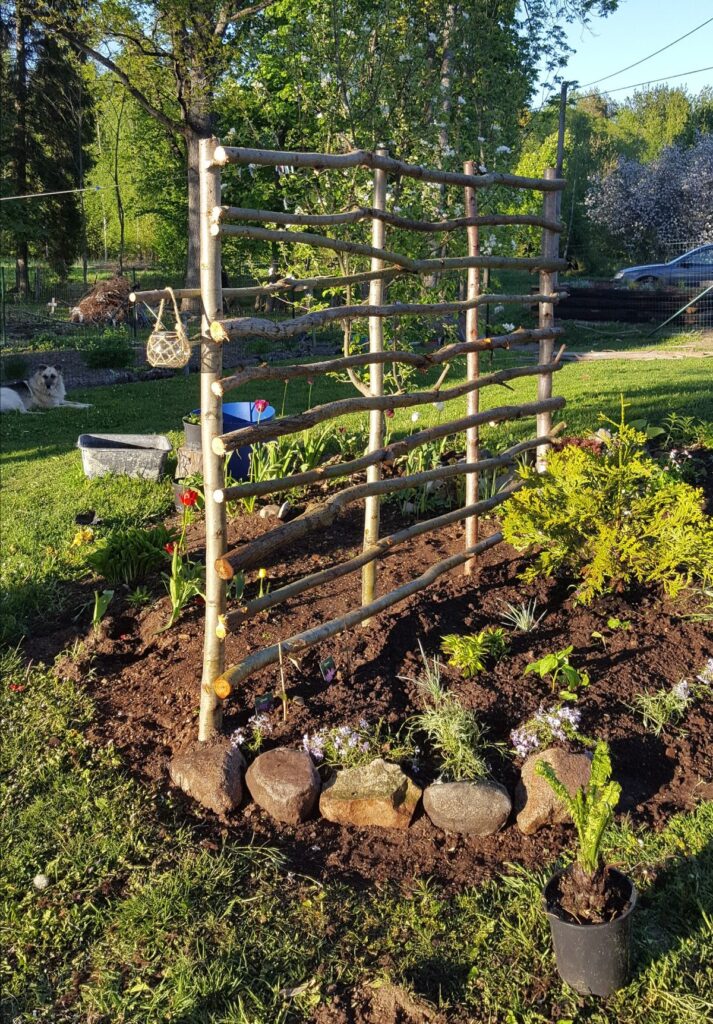
In a video example we published on YouTube, a significant cleanup effort involves demolishing an old house to create space for future development. While this initial phase may not be glamorous and offers no immediate rewards beyond a cleared area and a tired body at the end of the day, it is an essential step. Without a solid foundation in place, functional farming becomes challenging.
The importance of planning
Some individuals may attempt to bypass this foundational stage by impulsively introducing chickens or other elements without adequate preparation. However, unforeseen issues like pest invasions, lack of shade during hot months, or distant water sources can quickly escalate from minor inconveniences to major problems if not addressed proactively.
The most successful homesteads are those that invest time sometimes weeks or months in meticulously planning the layout, conditioning the soil, and anticipating future needs. While this process may not be glamorous, it is undeniably wise.
Assessing your soil
Moving onto the topic of soil quality, there is a common misconception among aspiring homesteaders that rural land automatically comes with perfect soil rich, fertile, and teeming with nutrients. In reality, many plots have been depleted due to neglect, overgrazing, or nutrient depletion. The soil may be sandy, compacted, acidic, or heavy with clay.
To address these issues effectively, experienced homesteaders recommend starting with a soil test. This simple and affordable assessment reveals crucial information such as nutrient deficiencies or imbalances that could impact crop growth. In cases where the existing soil is unsuitable for cultivation, creating raised beds using imported soil can provide a viable solution while gradually improving the native soil quality through composting and organic enrichment.
Expecting instant agricultural-grade soil upon embarking on your homesteading journey often leads to disappointment. So, think about gradual enhancements through strategic planning and soil management practices yield sustainable results over time.
Isolation is real and it sneaks up on you
People get into homesteading to escape the chaos of modern life. Less traffic, fewer emails, no office noise. Sounds peaceful, right? And it is until it’s not.
One thing that hits a lot of new homesteaders hard is just how isolating it can be. You go from being surrounded by people every day to spending long hours alone or just with your partner, working, fixing, building. Days pass without a visitor. Even your neighbors might be a mile away.
At first, the quiet feels like freedom. Then it starts to feel like silence. Then, sometimes, it turns into loneliness.
It’s not just the physical distance it’s the mental load. You’re juggling a hundred things at once: the soil, the fence, the water line, the sick chicken, the upcoming frost. And there’s no one to delegate to. No break room. No chat over coffee. It takes a toll.
And if you’re not prepared for that emotional shift, it can lead to burnout fast.
That’s why building community online or in real life isn’t optional. It’s survival.
Find your people even if they’re not nearby
Homesteading doesn’t mean you have to do everything alone. In fact, trying to do it all solo is a recipe for stress. The most successful homesteaders lean on other people.
That might mean checking in with a mentor over email, joining a Facebook group, watching YouTube videos and read articles like the one you’re reading about now, or trading tools with the guy down the road.
You don’t need a hundred friends you need a few solid connections who understand the challenges. People you can message when your goat has a weird cough, or when your tomatoes suddenly wilt, or when you just need to vent because the compost bin collapsed and you’re covered in wet lettuce sludge.
And those relationships take effort. Reach out. Ask questions. Offer help.
Whether it’s a local farmers’ market or a Telegram group, stay plugged in. Because even though you might be building an off-grid life, you’re still part of a bigger network.
And trust me when you hit that wall, having someone to talk to makes a world of difference.
Flexibility is your most important tool
Here’s something our article shows without even saying it out loud: nothing goes exactly as planned.
They thought they’d be in a finished home. Instead, they’re in tents. They thought they’d be harvesting by now, but they’re still leveling the land. That’s homesteading.
You’ll have plans. You’ll make schedules. You’ll set goals. But life happens. Weather changes. Unexpected expenses arise. Things take longer than anticipated.
The key is to be flexible to adapt and adjust as needed.
Mental health matters more than you expect
When you’re watching homestead videos or reading blog posts, it all looks so peaceful gardens blooming, chickens clucking, sunsets over the trees. And yeah, those moments are real. But what’s often left out is the emotional weight that comes with running an entire homestead, especially in the beginning.
You get tired. You get overwhelmed. Some days, everything feels like it’s going wrong.
Maybe you’ve been working for weeks and nothing seems finished. Maybe the roof leaks. Maybe your first harvest fails. Maybe you’re living in a tent when you thought you’d be in a cabin by now.
Those moments pile up.
And without intentional breaks, hobbies, or even just an hour of silence away from the to-do list, it can get dark. Fast.
The homesteaders doesn’t glamorize this part. They talk about what it’s like to be exhausted, to feel behind, and to realize you’ve been pushing too hard. It’s a reminder that you’re not a machine and you shouldn’t treat yourself like one.
So make room for rest. For books. For coffee in silence. For walks without gloves or tools in your hands. Your homestead might survive without those things, but you won’t thrive without them.
Start small and grow with your land
There’s a temptation to go all in. To try and build the perfect garden, get animals, dig a pond, set up solar all at once. But most people who succeed at homesteading don’t start that way. They pick one or two things. They build slowly. They make mistakes early, while the stakes are still low.
Start with herbs. Or one raised bed. Or a couple of rabbits. Learn what your soil does when it rains. Learn what freezes first. Figure out how long it really takes to haul water across the yard. Those lessons teach you more than any book ever will.
The land doesn’t reward speed it rewards patience. Every season gives you something new to understand, and every mistake becomes part of your story. That’s what makes it meaningful. That’s what keeps people going when it’s hard.
To conclude
Homesteading isn’t easy. It’s not always pretty. And it definitely isn’t instant. But if you’re drawn to it for the right reasons for the work, the learning, the connection to something real it can be one of the most rewarding decisions you ever make.
Just know that behind every Instagram-perfect photo is a lot of sweat, trial and error, and probably a little mud on someone’s boots.
So before you start your own journey, ask yourself: are you ready to be uncomfortable, tired, surprised, and challenged?
Because if you are, you’re ready for the good stuff too.
">Discover Homesteading
Send an email
2 Comments