How to buy a homestead in 2025: What to know before you commit
 ">Discover Homesteading
Send an email
">Discover Homesteading
Send an email

How to buy a homestead in 2025: What you MUST know first
Homesteading is more than a housing choice it’s a lifestyle commitment. Before you even begin searching for listings or reviewing maps of rural acreage, you need to pause and ask yourself an essential question: Is this truly what I want for myself and my family?
Is homesteading right for you?

The idea of homestead self-sufficiency, living close to nature, and escaping the noise of modern life is deeply appealing. But behind the idyllic vision of chickens in the yard and homegrown tomatoes lies a demanding reality. Homesteading requires grit, patience, physical labor, and a willingness to adapt to the unexpected.
Some people are drawn to it for environmental reasons, others for financial independence or to raise their kids with different values. Whatever your motivation, the first step in any homestead buying guide is self-assessment.
Ask yourself:
- Can I handle isolation and limited access to services?
- Am I prepared for DIY maintenance, from plumbing to fencing?
- Do I have the patience for long-term planning and gradual progress?
- Am I comfortable learning new skills (carpentry, gardening, animal care)?
If you’re answering “yes” to most of these, you’re likely ready to take the next step. But if you’re unsure, don’t rush. Renting a cabin or volunteering on someone else’s homestead for a few weeks can give you honest insight into the reality of rural life. It’s one of the smartest things to do before buying land for homesteading.
Check out our article : Surprising things you need to know before starting a homestead
Define your homesteading goals first
Not all homesteads look the same and that’s the beauty of it. But it also means your path must be tailored to your goals. Are you aiming for full off-grid self-sufficiency, or just want a few chickens and a big garden while keeping your remote job?
Before making any purchase, write down your vision:
- Will you raise animals? Which ones?
- Will you grow your own food, and how much of it?
- Are you planning to sell products (eggs, soap, crafts)?
- Will this be a full-time lifestyle or a weekend homestead?
This clarity will save you thousands of dollars and hours of frustration. For example, if you dream of running a small goat dairy, you’ll need pasture, water access, and proper zoning. If you only want weekend peace and a place to grow vegetables, you may not need 20 acres of land. You need to know how much land do you need to homestead.
Understanding your goals also helps build your homesteading property checklist, which will guide your land search. Having clear intentions puts you in a much stronger position when evaluating properties and dealing with agents or sellers.
Budgeting and financing your homestead
Buying a homestead is rarely as cheap as it first appears. While rural land often comes with a lower sticker price than urban properties, it can also come with hidden costs, lack of infrastructure, or financing challenges that catch first-time buyers off guard.
Before you start browsing listings, it’s essential to have a clear and realistic budget not just for purchasing the land, but for everything that follows.
Understand the full cost of a homestead
The purchase price is only one piece of the puzzle. Here’s what else you need to account for:
- Land improvements (grading, clearing, fencing, driveways)
- Utilities (well drilling, septic installation, solar systems)
- Buildings (home construction or renovation, barns, storage)
- Permits and fees (zoning compliance, inspections)
- Tools and equipment (tractors, chainsaws, hand tools)
- Unexpected repairs (roof, foundation, road access issues)
If you’re considering off grid land for sale, keep in mind that it usually lacks running water, electricity, or road maintenance all things you may have to build from scratch.
Many homesteaders underestimate how much initial cash they’ll need to get started. A property that seems like a great deal on paper can quickly eat up your savings if it’s not ready for habitation.
Financing options for homesteaders
Conventional mortgages are often not available for raw land, especially if it doesn’t have utilities or a livable structure. But don’t worry there are still ways to finance your dream, especially if you plan ahead.
1. Owner financing
In rural markets, many sellers are willing to offer direct financing. This means you make payments to the owner instead of a bank. It’s often more flexible but may come with higher interest rates and shorter terms. Read every clause carefully before signing.
2. Land loans through local banks or credit unions
Some regional lenders offer land loans, but they usually require a larger down payment (20–50%) and shorter terms than traditional home loans. Approval often depends on your credit and the property’s characteristics (access, zoning, location).
3. USDA and FHA programs
If you’re buying in a qualified rural area and meet income criteria, you might be eligible for USDA rural development loans or FHA construction loans. These can be useful if you’re building a home and planning to live there full time.
4. Personal loans or savings
Many first-time homesteaders use personal loans, family support, or long-term savings to fund their land purchase and early setup costs. This gives you more freedom, but make sure it doesn’t drain your reserves too much unexpected expenses are guaranteed.
A note on homestead financing and planning
Always overestimate your budget by at least 20%. There will be costs you don’t anticipate from broken machinery to permits that take longer than expected. Being underfunded is one of the most common rural land pitfalls, and it turns dreams into debt quickly.
Before signing anything, ask yourself:
- What’s my total available budget (land + setup)?
- How long can I afford to live without income from the land?
- Do I have emergency funds set aside?
Buying land for homesteading is exciting, but the financial side needs to be solid. When done right, it gives you freedom. When done poorly, it traps you. Prepare accordingly.
Choosing the right location
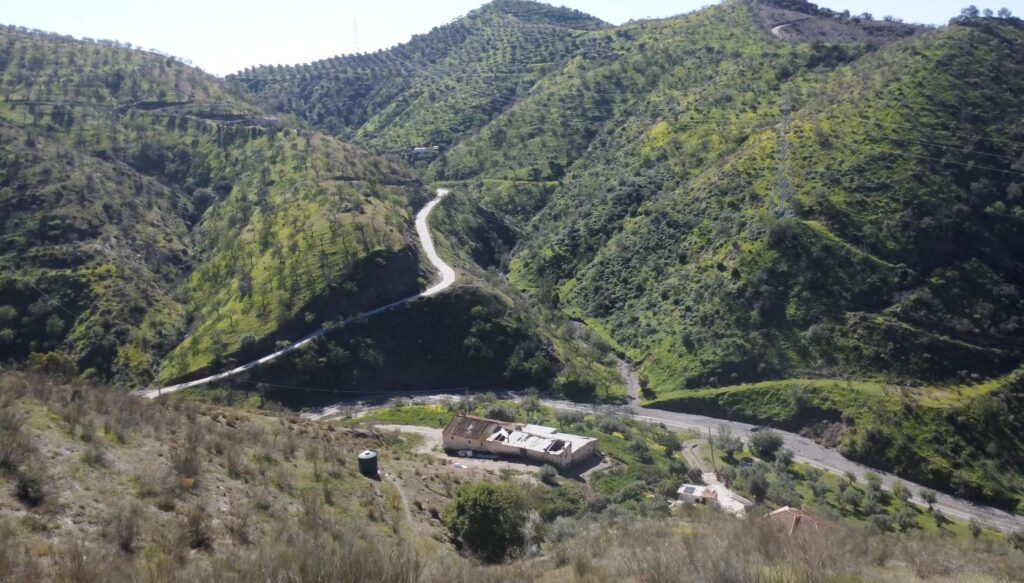
The success of your homesteading journey depends heavily on where you plant your roots. Not all land is equal, and what might be a perfect fit for one family could be a disaster for another. Before you buy, take time to evaluate what region truly supports your goals, skills, and lifestyle.
Best states to homestead in 2025
Every year, homesteaders debate which state is “the best.” The truth? There is no one-size-fits-all answer. Some states offer cheap land but harsh climates. Others have ideal growing seasons but strict zoning laws. Here are a few states frequently recommended in recent homestead buying guides:
- Tennessee: Mild winters, long growing seasons, and low taxes. A favorite for those seeking a balanced climate.
- Missouri: Affordable land, strong homesteading communities, and fewer regulations.
- Maine: A colder climate but excellent water access and a strong self-sufficient culture.
- Texas: Lots of rural land, but be mindful of water scarcity in some areas.
- Kentucky: Fertile soil, lenient building codes, and affordable acreage.
When evaluating the best states to homestead, think beyond price. Ask:
- Can I legally build the type of shelter I want?
- Are livestock allowed?
- How long is the growing season?
- What are the local property taxes and income taxes?
Your idea of the perfect location should include legal flexibility, natural resources, and a community (even a small one) that supports your values.
Understand the local climate and resources
Once you narrow down the state, zoom in on the region. Microclimates matter more than you think. A valley can be frost-prone while the nearby ridge gets full sun year-round. Do your research on:
- Average rainfall and drought risks
- Frost dates and growing seasons
- Flood zones and wildfire danger
- Wind exposure and storm frequency
For example, if you plan to rely on solar panels, a cloudy, forested region might not serve your energy needs. If your goal is to be water-independent, dry desert regions will require creative solutions or expensive drilling.
Taxes, regulations, and freedom
One common mistake new buyers make is assuming rural equals free. But rural land often comes with zoning laws homestead buyers ignore at their own risk. Some counties won’t allow mobile homes. Others restrict livestock numbers or require permits for off-grid systems.
Before buying, always call the local planning office and ask:
- Is the land zoned residential, agricultural, or unrestricted?
- Can I legally live off-grid on this property?
- Are there rules about water wells, graywater systems, or composting toilets?
- Can I build a small home without hiring a licensed contractor?
Avoid rural land pitfalls by reading the local code. And check property taxes in some states, “cheap” land comes with unexpectedly high yearly taxes.
Community and services: isolation vs support
Homesteading doesn’t mean cutting yourself off completely unless you want to. Before you commit to a parcel of land, ask:
- How far is the nearest hospital or grocery store?
- Are there other homesteaders or farmers nearby?
- Will I be able to access basic services, especially in emergencies?
Some people thrive in complete isolation. Others burn out from loneliness or difficulty accessing supplies. Find a balance that fits you.
Remember: your homestead dreams need the right soil, the right laws, and the right support system to grow. Choosing the right location is not just about buying land it’s about building a sustainable life. So thing about soil testing.
Key things to check before buying land

You’ve found a piece of land that looks beautiful and feels right. Maybe it’s tucked between rolling hills or has a creek running through it. But before you let emotion take over, pause. There are several critical things to evaluate before closing any deal. Your future homestead depends on getting this part right.
This is where your homesteading property checklist comes into play and it should include every point below.
Zoning laws and building codes
Zoning laws determine what you can legally do on a property. Just because a parcel looks rural doesn’t mean you’re allowed to build a cabin or raise animals to live off the grid.
Some key questions to ask:
- Is the property zoned for agriculture, residential, or mixed use?
- Are mobile homes, tiny homes, or yurts permitted?
- Is there a minimum square footage requirement for dwellings?
- Can you have livestock, and if so, how many?
Also, check if there are building codes or inspections required. Some counties allow you to build freely. Others demand permits, architectural plans, and licensed contractors even for off-grid setups.
Tip: Call the county clerk or zoning department directly. Don’t rely solely on what the seller or listing agent says.
Water access and rights
Water is non-negotiable. Without it, your homestead won’t last especially if you plan on self-sufficiency. Make sure to investigate both access and legal rights.
Questions to ask:
- Is there an existing well? If not, can one be drilled?
- Are there natural water sources (streams, springs) on the property?
- Does the property include water rights?
- Is there seasonal flooding or runoff issues?
In the western U.S., especially, water rights are separate from land ownership. You might not be legally allowed to use the water that runs through your property. Always request documentation confirming your usage rights.
You may also want to test water quality for contaminants, especially if nearby land has been used for industrial or agricultural purposes.
Electricity and off-grid options
If you’re planning to go fully off-grid, great but plan ahead.
Questions to consider before living of the grid:
- Is the property connected to the power grid, or how far is the nearest line?
- Will you need to install solar, wind, or generator backup?
- What’s the sun exposure like throughout the year?
- Are there easements or restrictions that prevent solar installation?
In some areas, power line extension can cost tens of thousands of dollars. Going off-grid might not be a choice it may be your only option. Make sure you understand what systems you’ll need to live comfortably.
Soil quality and contamination risks
If you plan to grow your own food, the soil matters a lot. You can’t assume that green grass equals healthy land.
Steps to take:
- Request or perform a soil test to check for pH, nutrient levels, and contaminants.
- Investigate previous land use. Was it farmland treated with chemicals? Was it a dump site?
- Look for signs of erosion, compaction, or drainage issues.
Many new homesteaders are surprised to find they need to remediate the soil before planting. It’s not a dealbreaker, but it’s a cost and delay you need to anticipate.
Property history and access roads
Rural properties often have complicated histories and that history can affect your legal rights.
Points to verify:
- Who owns the land? Are there any liens or disputes?
- Is there a recorded deed and clean title?
- Are you guaranteed legal access to the property via a road or easement?
- Is the road maintained, or will you be responsible for it?
Some buyers fall in love with remote land only to realize later that they can’t build because there’s no legal right-of-way to reach it. Others find themselves responsible for clearing snow or fixing potholes alone.
Buying land for homesteading is exciting, but rushing this step can lock you into years of regret or costly mistakes. Be thorough, ask questions, and don’t skip a single item on your checklist. A little extra caution now can mean years of freedom and peace later.
Mistakes to avoid when buying a homestead
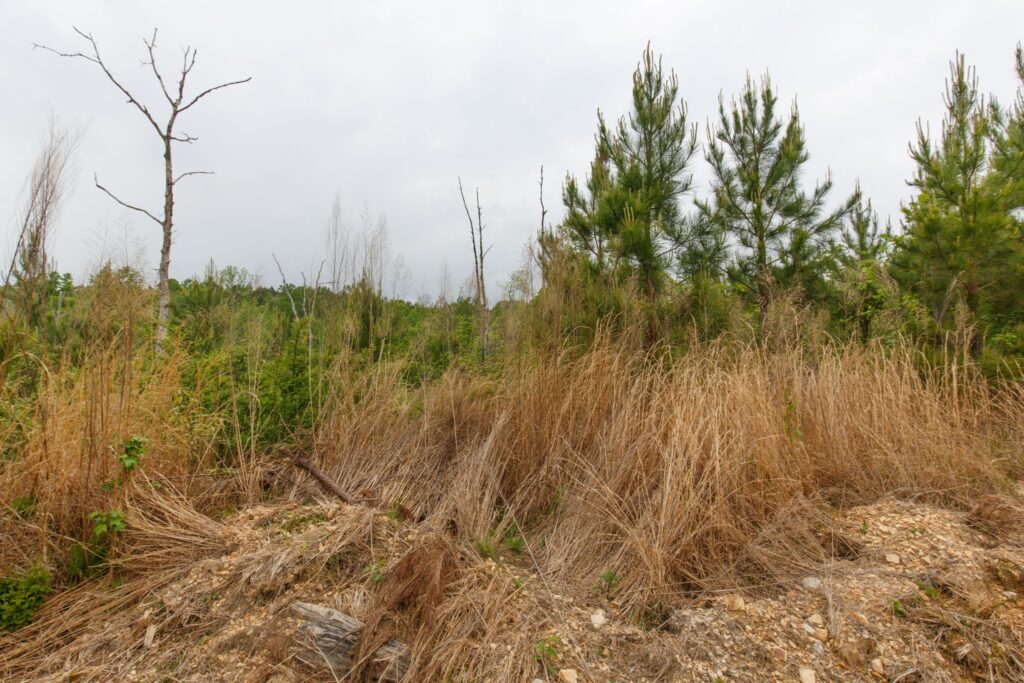
Even experienced buyers make costly mistakes when it comes to buying land for homesteading but for first-timers, the risks are even greater. When you’re chasing a dream, it’s easy to ignore red flags, underestimate challenges, or get emotionally attached to the wrong piece of land.
Here are the most common mistakes you should absolutely avoid:
1. Falling in love with land before doing your research
That beautiful meadow with mountain views might look like paradise until you find out it’s in a flood zone, lacks water rights, or is impossible to build on due to zoning restrictions. Never assume. Always verify everything before making an offer, no matter how excited you feel.
Use your homesteading property checklist like a compass. If a property checks only half the boxes, walk away. There will always be other opportunities.
2. Underestimating costs and overestimating readiness
Many buyers believe that living simply means living cheaply. But the first few years of homesteading are often the most expensive.
You may need to:
- Clear land
- Build infrastructure
- Drill a well or install a septic system
- Buy animals and shelter
- Stock up on tools and supplies
On top of that, unexpected repairs and seasonal expenses (wood for winter, fencing for spring) add up fast.
And don’t forget your own limitations. You might have read every book and watched every YouTube video, but until you’ve spent a freezing morning fixing a busted water pipe or a storm-damaged roof, you’re not truly prepared. Be humble, cautious, and financially ready for a learning curve.
3. Ignoring zoning and legal restrictions
One of the most heartbreaking scenarios for aspiring homesteaders is buying land they can’t legally use the way they intended.
Here’s how it happens:
- The county bans composting toilets or off-grid structures
- You’re required to build a 1,500 sq ft home within 2 years
- You need a permit for each animal enclosure
- Short-term RV living is illegal during construction
If you buy land without checking these rules first, you might find your homestead dreams crushed by bureaucracy. Even in rural areas, local governments can have surprisingly strict regulations.
4. Buying too much land too soon
It’s tempting to think that “more land = more freedom,” but more land means more work. Clearing, fencing, maintaining it all takes time, energy, and money. Many successful homesteaders recommend starting with 3 to 10 acres max, especially if you’re new to rural living.
Owning 50 acres sounds amazing until you’re spending all weekend mowing, repairing gates, or dealing with erosion on hillsides you rarely even visit.
Start small, get confident, and expand later if needed.
5. Overlooking the importance of access and location
Some buyers fixate so much on the price and beauty of the land that they forget practical questions like:
- Can emergency services reach me?
- Will delivery trucks or construction crews have access?
- What happens in heavy rain or snow?
A gorgeous property that’s hard to reach is not functional especially in emergencies. Poor access is one of the top rural land pitfalls, and it’s often hidden in the fine print.
Avoiding these mistakes can mean the difference between a homestead that supports you and one that drains you. Stay grounded, think long-term, and remember: you’re not just buying land you’re building a future.
Legal and administrative checklist
When buying a homestead, many first-time buyers focus on the physical aspects of the property trees, soil, streams, barns and overlook the paperwork. But the legal side of the purchase is just as important. A missing signature, an unclear deed, or a hidden lien can lead to expensive legal battles or loss of ownership.
Here’s the must-follow checklist to secure your homestead legally and safely:
Verify the deed and ownership history
Before committing to a purchase, obtain and review a copy of the deed. You want to ensure:
- The seller is the rightful owner
- There are no disputes or shared ownership
- The property boundaries are clearly defined
It’s worth paying a title company or lawyer to do a title search, which uncovers:
- Outstanding liens or debts
- Easements (e.g., a neighbor’s right to cross your land)
- Encroachments from nearby properties
This step protects you from future surprises like a bank claiming part of your land due to a previous owner’s debt.
Confirm zoning and land use designations
This should’ve already been reviewed earlier, but now’s the time to get it in writing. Request documentation from the county or city that shows:
- The official zoning designation of the property
- Any restrictions or building codes
- Whether there are upcoming changes to zoning in the area
Don’t rely on the seller or real estate agent always get confirmation from the local planning department.
Check for required permits and inspections
If you plan to build, renovate, or install off-grid systems, find out:
- What permits are required?
- Are inspections mandatory during or after construction?
- Do certain systems (septic, solar, wood stove) need approval?
Some counties are relaxed, others highly regulated. Ignoring this can lead to fines or even orders to demolish unpermitted structures.
Order a land survey if needed
In rural areas, property lines are often assumed not marked. A professional land survey ensures:
- You know exactly what you’re buying
- Your fences, buildings, or gardens won’t encroach on a neighbor’s land
- You avoid future disputes
This is especially important if:
- The property has no clear fencing or markers
- The lot was recently subdivided
- You plan to build close to the edges
A survey gives you peace of mind and can also help with future financing or resale.
Get title insurance
If you’re financing through a lender, title insurance is usually required. But even if you’re paying cash, it’s highly recommended.
Why? It protects you against:
- Errors in public records
- Undiscovered heirs
- Forged documents
- Legal challenges to your ownership
It’s a one-time fee that can save you thousands and protect your homestead from future complications.
Read every contract line by line
Some sellers include clauses like:
- “Sold as-is” (you assume all risks)
- “Buyer responsible for due diligence” (the seller won’t help)
- “No warranties expressed or implied”
These aren’t red flags on their own, but you should fully understand what you’re agreeing to. If something feels unclear or rushed, don’t sign. Ask questions. Hire a lawyer if needed.
Buying a homestead isn’t just a dream it’s a legal transaction. By taking the administrative steps seriously, you lay a solid foundation for the years of freedom, growth, and self-reliance ahead.
How to prepare before making an offer

Once you’ve found a property that seems to check all the boxes, it’s tempting to jump in and make an offer immediately. But slow down this is the point where many homesteaders overlook critical steps that could save them thousands of dollars and years of frustration. Preparation is everything.
Here’s what to do before you even consider signing paperwork or sending a deposit.
Visit the property multiple times
A single visit especially if it’s short or only during one season isn’t enough. If possible, try to:
- Visit at different times of day (morning, afternoon, evening)
- Return during different weather conditions
- See the land in at least two seasons
Why? Because the charming field you saw in spring might turn into a muddy swamp after a heavy summer rain. Or the peaceful morning quiet could turn into a noisy truck route at 4 a.m.
Watch for:
- Standing water or drainage problems
- Animal tracks or signs of pests
- Sunlight exposure (important for gardening or solar panels)
- Wind patterns and shade from trees or hills
The more time you spend on-site, the better you’ll understand what daily life will actually be like.
Talk to neighbors (if there are any)
If nearby homes exist, introduce yourself. Friendly neighbors can be a huge asset and talking to them will give you valuable insights about:
- Local weather quirks
- Seasonal challenges (mud, flooding, wildfires)
- Crime or trespassing issues
- County regulations or road maintenance problems
Ask how long they’ve lived there and what they wish they had known before moving in. Locals often know things that never show up in listings or inspections.
Ask for a seller’s disclosure and property history
In some states, sellers are required to disclose known issues. Even where it’s not mandatory, you can (and should) ask for a seller’s disclosure that outlines:
- Past repairs or improvements
- Problems with water, pests, or access
- Environmental concerns (nearby mines, chemicals, power lines)
Also, ask about the history of the land:
- Was it ever used for farming?
- Any structures previously demolished?
- Any land disputes or boundary changes?
Everything you can learn up front gives you more negotiating power and fewer regrets.
Test the soil and water (if applicable)
If your homestead dreams include gardening or raising animals, get a basic soil test. Many counties offer low-cost testing through extension offices. You’ll want to check for:
- pH balance
- Heavy metals or contaminants
- Nutrient levels (nitrogen, phosphorus, potassium)
If a well exists, test the water for:
- Bacteria (E. coli, coliform)
- Nitrates
- Hardness or mineral content
- Pesticide residue (if near farmland)
You’d be surprised how often “pristine” country land hides a history of chemical use or pollution.
Estimate improvement costs
Walk the land and make a list of everything that will need to be done before it’s livable or productive:
- Clearing brush
- Fencing pastures
- Building animal shelters
- Installing water systems
- Adding power or solar infrastructure
Then assign estimated costs to each item. Even rough estimates will help you understand whether the property fits your homestead financing limits.
You can use free online calculators, call local contractors, or visit homesteading forums to get real-world feedback.
The excitement of finding your ideal property is real but don’t let it cloud your judgment. Due diligence now prevents crisis later. If the land still feels right after all this prep, then and only then you’re ready to move forward with confidence.
Final tips for a successful homestead purchase

You’ve done the research, visited the land, talked to neighbors, and gathered your documents. Now you’re ready to finalize the deal. But before you sign the dotted line, there are a few final lessons seasoned homesteaders always recommend. These tips can mean the difference between a smooth transition and a stressful one.
Work with local professionals when needed
Even if you’re a do-it-yourself kind of person, don’t hesitate to bring in experts for the legal or technical aspects of your purchase. Some key professionals worth considering include:
- A local real estate agent with experience in rural or off-grid properties
- A land surveyor to verify boundaries and legal access
- A rural-focused lawyer to review contracts or title issues
- A soil or septic inspector for raw land
- An off-grid systems specialist, especially if you plan to use solar or rainwater harvesting
The right professionals don’t just protect you legally they can spot red flags you might overlook and give you realistic assessments based on the local environment.
Set realistic expectations for the first year
Your homestead dreams probably include fresh eggs, solar power, rows of tomatoes, and long quiet evenings by the fire. But in reality, the first year will likely be filled with:
- Construction delays
- Equipment breakdowns
- Weather surprises
- Unexpected costs
- A steep learning curve
It’s easy to burn out if you try to do everything at once. Focus on the essentials:
- Secure shelter
- Reliable water source
- Food storage and heating for winter
- A manageable garden or small livestock setup
Let the rest come gradually. Homesteading is a lifestyle, not a race.
Document everything
Keep copies of:
- The purchase contract and all amendments
- Zoning documents and permits
- Inspection reports
- Boundary maps or surveys
- All communication with the seller or agents
You may need these later to prove ownership rights, request permits, or resolve disputes.
Also, start a homestead journal. Recording what you do each season when you planted, what equipment you needed, what failed helps you improve each year and avoid repeating mistakes.
Stay flexible
One of the most important traits of successful homesteaders is adaptability. No matter how well you plan, something will go wrong and that’s okay.
The land might reveal hidden challenges. Your animals may not behave the way books say they will. You’ll likely change your mind about what you want out of the experience.
Let your plan evolve with your reality. Sometimes, the biggest rewards come from things you never expected to enjoy like fixing fences in the rain, or finally getting a compost system to work after weeks of trial and error.
Trust your gut, but check it with facts
If everything checks out the deed is clean, the land fits your goals, your finances are solid and it still feels right, you’re probably ready. But feelings alone aren’t enough. You need evidence to support your instincts.
Too many people buy land because it “felt magical,” only to discover that magic doesn’t keep water flowing or bills paid. Combine inspiration with preparation, and you’ll be in a strong position to succeed.
Buying a homestead is not just a real estate transaction it’s a commitment to a new way of life. If you’ve taken the time to research, reflect, and prepare, then you’re not just buying land you’re investing in your future freedom.
FAQ
How many acres do I need to homestead?
It depends on your goals. For a small garden, a few chickens, and a modest lifestyle, 1 to 5 acres is enough. If you want livestock, larger gardens, or timber, you may want 10 to 20 acres or more. Keep in mind: more land = more upkeep. Many experienced homesteaders recommend starting small and expanding later if needed.
Can I homestead with no experience?
Absolutely. Many successful homesteaders started with zero experience. What matters most is your willingness to learn, your patience, and your ability to solve problems as they arise. You can learn skills over time start with books, online courses, local mentors, or volunteering.
What’s the best state to homestead in?
There’s no universal best state it depends on your climate preferences, budget, and legal flexibility. States like Missouri, Tennessee, Maine, and Kentucky are popular due to affordable land, lenient regulations, and strong homesteading communities. Focus on states with:
– Low property taxes
– Supportive zoning laws
– Decent growing seasons
– Reliable water sources
Do I need electricity or internet on a homestead?
Not necessarily. Many people live successfully off-grid, using solar panels, batteries, and generators. However, if you work remotely, have kids, or rely on certain services, having some form of internet and power can improve your quality of life. Choose based on your needs not assumptions.
Can I homestead part-time while working?
Yes in fact, many people start homesteading part-time while keeping a job. It allows you to build slowly, manage costs, and avoid burnout. Weekend homesteading or “commuter homesteading” is becoming more common. Just be realistic about your time, travel, and energy.
">Discover Homesteading
Send an email
One Comment