How to start a vegetable garden from scratch
 ">Discover Homesteading
Send an email
">Discover Homesteading
Send an email

How to Start a Vegetable Garden from Scratch: Step-by-Step Beginner’s Guide
How to grow food at home? Starting a vegetable garden is one of the most fulfilling things you can do on your homestead or even in a small backyard. Whether you’re hoping to lower your grocery bill, eat healthier, or just connect with nature, growing your own food is the perfect place to begin.
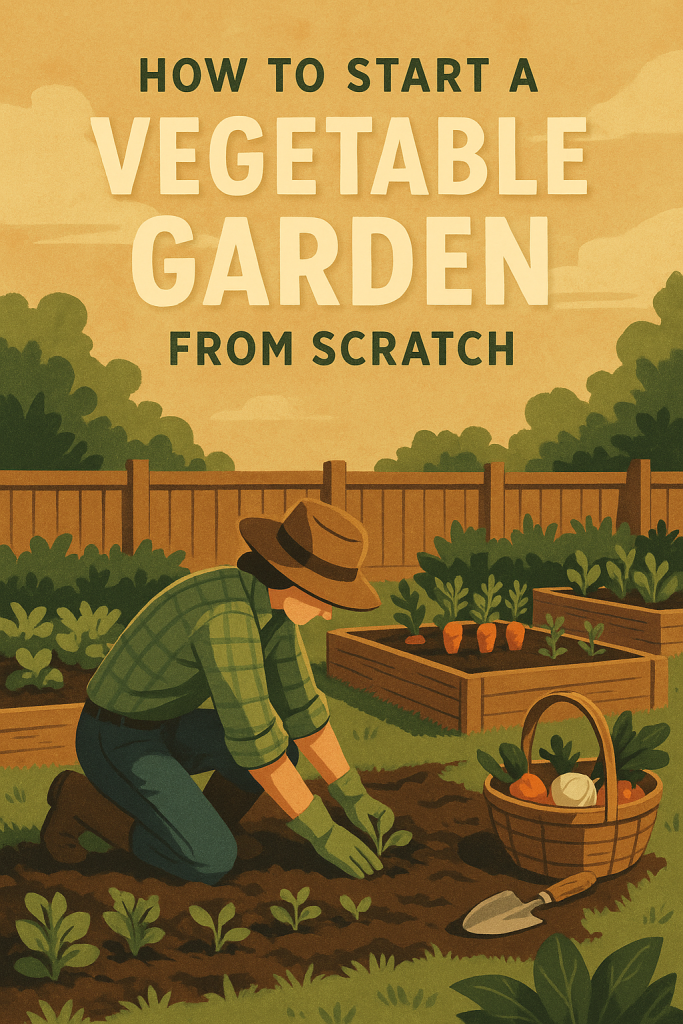
The best part? You don’t need fancy tools, a green thumb, or acres of land. With the right plan and a little effort, you can turn almost any patch of ground into a productive garden that feeds you and your family.
Step 1: Choose the right location
Before you buy seeds or start digging, observe your space.
Look for:
- Full sunlight: most vegetables need 6–8 hours of direct sun daily
- Good drainage: avoid low spots that collect water
- Access to water: hauling buckets every day isn’t sustainable
- Protection from wind or animals: if deer or rabbits are common, think fencing early
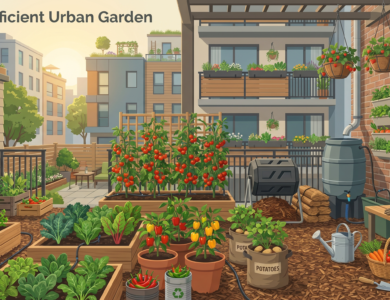
No yard? No problem. A raised bed, balcony planter, or container garden can work too just adjust your plant choices.
Step 2: Decide what to grow
How to grow food at home? Start small and pick vegetables that are:
- Easy to grow
- Well-suited to your climate
- Popular in your kitchen
Great starter crops include:
- Lettuce and leafy greens
- Tomatoes
- Carrots
- Green beans
- Zucchini
- Peppers
- Radishes
- Herbs like basil and parsley
Check your USDA Hardiness Zone (or your country’s equivalent) to match crops to your growing season.
Tip: avoid growing too much too fast. A 4×8 ft plot or a few containers are enough for beginners.
Step 3: Clear and prepare the soil
Want to start a vegetable garden? Now it’s time to break ground !
- Remove sod or grass: cut and lift it off with a shovel
- Loosen the soil: dig down 6–12 inches to allow roots to breathe
- Add compost: mix in a couple of inches of compost to enrich the soil
- Rake smooth: create a flat, even surface for planting
No healthy soil? Use raised beds or containers filled with a mix of compost, peat moss or coco coir, and vermiculite or perlite.
Step 4: Plan your layout
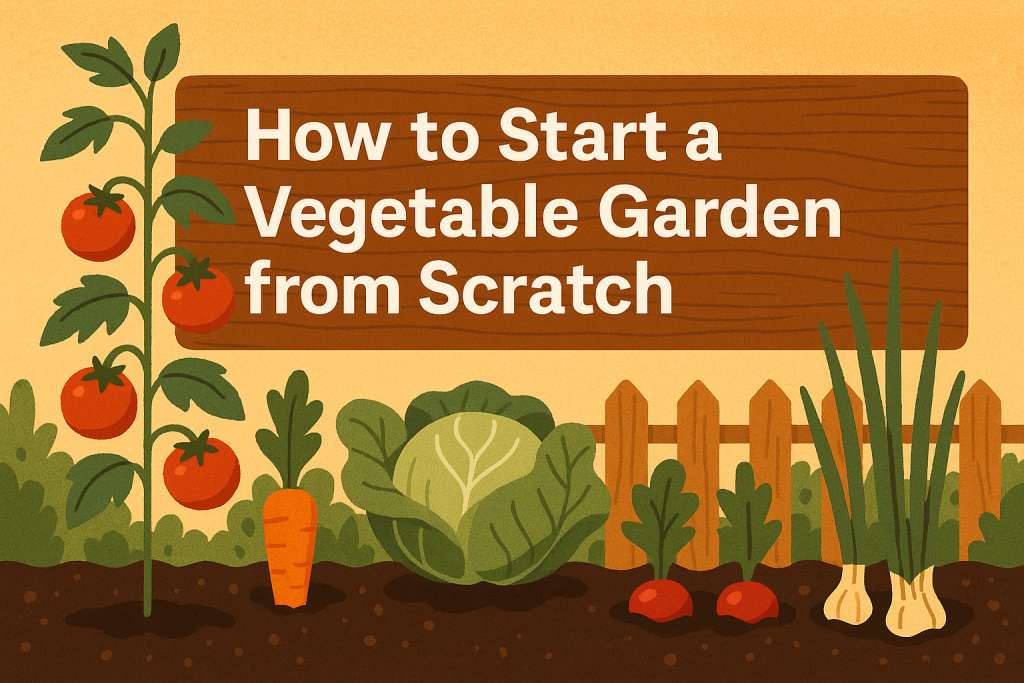
A thoughtful layout makes gardening easier and more productive.
Options to consider:
- Rows: good for larger gardens, especially when using tools
- Square foot gardening: divides the bed into 1×1 ft squares perfect for beginners
- Companion planting: certain crops help each other grow (like basil near tomatoes)
- Raised beds or containers: ideal if your soil is poor or space is limited
Group plants by size and sun needs. Taller crops like tomatoes should go on the north side so they don’t shade smaller ones.
Step 5: Start planting
Depending on your climate and the season, you can either:
- Start from seed: cheaper and satisfying, but requires time and attention
- Use seedlings: more expensive but less risk for beginners
Follow spacing and depth guidelines on seed packets. Avoid overcrowding plants need room to grow and air to circulate.
Tip: water your garden gently after planting, and keep the top inch of soil consistently moist until sprouts appear.
Step 6: Water, weed, and watch
When you want to start a vegetable garden, this is where your garden starts to come alive.
Watering tips:
- Water early in the morning to reduce evaporation
- Aim for deep, infrequent watering rather than daily sprinkles
- Use mulch (like straw or leaves) to retain moisture and reduce weeds
Weeding tips:
- Pull weeds weekly before they go to seed
- Mulch also blocks weeds from sprouting
- Use a hand hoe or fork to loosen the soil gently
The more you observe your garden, the easier it is to spot what’s working and fix what’s not.
Step 7: Deal with pests naturally
Even the healthiest garden will attract pests. But you don’t need chemicals to protect your crops.
Natural pest control options:
- Neem oil spray: deters aphids, beetles, and caterpillars
- Diatomaceous earth: fine powder that kills soft-bodied insects
- Handpicking: for larger pests like hornworms or slugs
- Row covers: lightweight fabric to block bugs while letting light through
- Companion planting: marigolds repel nematodes and aphids; basil deters flies and mosquitoes
Encourage helpful insects like ladybugs and lacewings they’re natural predators that do the dirty work for you.
Step 8: Avoid common beginner mistakes
Some errors are easy to make when you’re just starting out homesteading. Watch out for:
- Overwatering or underwatering
- Planting too close together
- Ignoring soil quality
- Neglecting crop rotation (planting the same thing in the same spot year after year exhausts soil and encourages pests)
- Giving up too soon gardening is a learning process, not perfection
Don’t be discouraged by setbacks. Every mistake teaches you something new.
Step 9: Harvest and enjoy
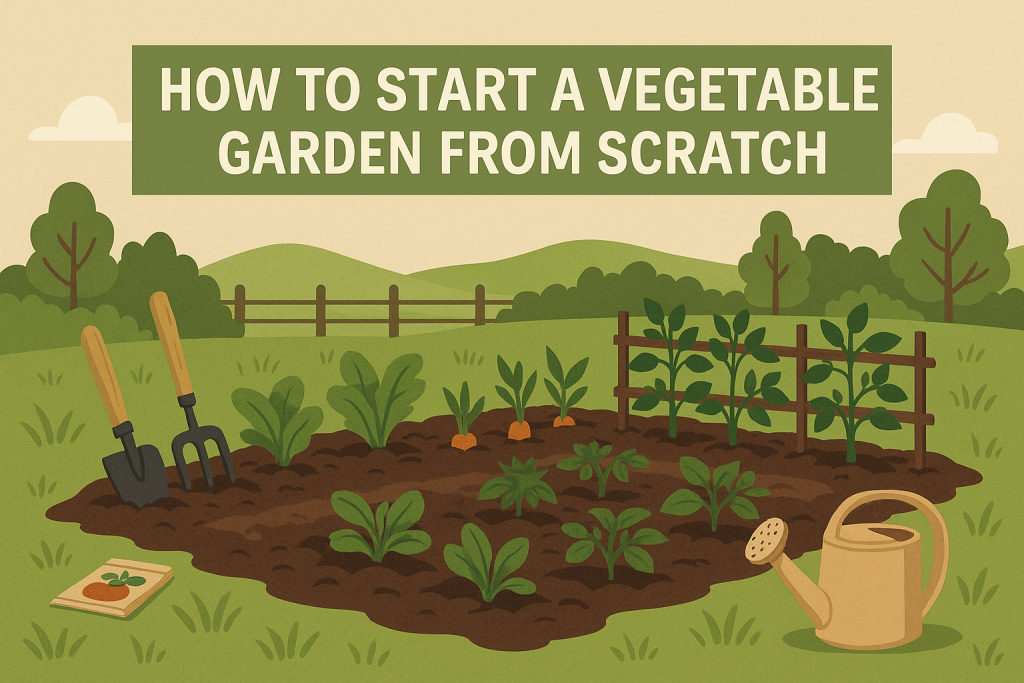
This is the most rewarding step eating food you’ve grown with your own hands. This is what we love in homesteading.
- Harvest in the morning for peak freshness
- Use sharp scissors or pruners to avoid damaging plants
- Check daily for ripe veggies many crops like zucchini can grow fast
Eat fresh, preserve the extra, or share with neighbors. There’s nothing like that first tomato or handful of herbs from your own soil.
Finally
Starting a vegetable garden from scratch is more than just a hobby it’s a step toward independence and homesteading, health, and connection to the land. You don’t need a big budget or a huge plot. You just need the will to begin, a patch of dirt (or a few containers), and the patience to learn.
Every season will bring something new. So even if you learn how to grow food at home, you’ll fail sometimes, but you’ll grow in more ways than one. Whether you’re on a full homestead or a tiny balcony, your garden starts the day you do.
Start small. Stay curious. Keep planting.
">Discover Homesteading
Send an email
2 Comments