Top 10 off grid essentials for 2026: live smarter and simpler
Why off grid living in 2026 is smarter than ever
Living off the grid has always been about freedom and independence, but in 2026, it is smarter, easier, and more practical than ever before. Thanks to modern technology, people no longer have to choose between comfort and self sufficiency. Whether you are homesteading full time, preparing for emergencies, or simply trying to cut utility costs, off grid living has become a lifestyle choice driven by both necessity and innovation.


Modern technology meets self sufficiency
A decade ago, off grid living often meant roughing it. Solar systems were expensive, battery storage was limited, and communication was unreliable. Today, things are different. Solar panels are more efficient and affordable, lithium battery systems can power an entire home for days, and water purification technology rivals municipal systems.
In 2026, you can power your cabin with a compact solar array, collect rainwater safely, preserve food for months, and stay connected with satellite devices all without relying on the grid. The combination of smart design and advanced tech has turned off grid living from a survival tactic into a sustainable, comfortable way of life.
This shift is not just about gadgets it is about empowerment. The same technologies that once powered remote research stations or off road expeditions are now accessible to regular families. Compact solar kits, efficient heating systems, and renewable water solutions are available online, making independence possible for anyone willing to learn.
Rising costs and growing motivation
Another reason off grid living is booming in 2026 is the cost of conventional living. Electricity bills, rent, and groceries have all climbed steadily over the past few years. People are realizing that by investing in solar panels, efficient appliances, and self reliance, they can protect themselves from rising costs and supply chain instability.
At the same time, natural disasters and unpredictable weather are pushing many households to build resilience. Power outages caused by storms, wildfires, or grid overloads are now common in many states. Having your own power source and clean water is no longer just about independence it is about security.
A shift in mindset
Off grid living used to be associated with isolation, but that perception is changing fast. Modern homesteaders, digital nomads, and remote workers are showing that it is possible to live independently while staying connected. Solar powered Starlink internet setups, battery banks, and efficient micro homes have made remote living not only practical but appealing.
Many people who once dreamed of rural life are now making it happen. Families are buying small plots of land, setting up container homes or tiny houses, and using renewable systems to live comfortably without monthly utility bills. The movement is spreading across the country from Arizona’s desert communities to Vermont’s forest homesteads.
Living smarter, not harder
Off grid living in 2026 is not about doing everything the hard way. It is about using smart tools and habits to simplify life. Instead of hauling water or chopping wood all day, modern homesteaders rely on solar pumps, efficient stoves, and automatic composting systems. Technology has turned what used to be daily labor into easy, automated routines.
This new wave of off grid living blends tradition and innovation. People are gardening, raising chickens, and preserving food like before, but they are also using solar freezers, smart inverters, and eco friendly lighting. The result is a lifestyle that is both self sufficient and sustainable.
Off grid living today is not about escaping society it is about living with intention. It means taking control of your energy, your food, and your comfort, while minimizing waste and dependency. With the right tools, you can live cleaner, spend less, and gain peace of mind knowing you are prepared for anything.
The top 10 off grid essentials for 2026
Every successful off grid setup begins with the right tools and equipment. The essentials you choose will determine how comfortable, efficient, and sustainable your lifestyle becomes. In 2026, technology and design have made off grid gear more powerful and easier to use than ever. Here are the most important essentials to help you live smarter and simpler.
1. Reliable solar power setup
A dependable solar power setup remains the backbone of off grid living. It is your main source of electricity, and in 2026, solar technology has reached impressive efficiency levels. Modern panels generate more energy in less space, while prices have dropped significantly compared to a few years ago.
For beginners, a basic system includes solar panels, a charge controller, an inverter, and a battery bank. The batteries store energy for nighttime use or cloudy days. Lithium iron phosphate (LiFePO4) batteries have become the standard choice because they last longer and require less maintenance than traditional lead acid ones.
To live comfortably, plan for at least 4 to 6 solar panels paired with a 5 kilowatt inverter and sufficient storage capacity to cover your daily energy use. Portable solar kits are also great for smaller cabins, vans, or emergency backup.
Solar power is more than just a trend it is a gateway to energy freedom. Once installed, it provides silent, renewable electricity for decades with minimal upkeep.
2. Advanced battery storage and inverters
The heart of your off grid energy system lies in its batteries and inverter. Without proper storage, even the best solar panels cannot keep your home running after sunset. In 2026, lithium batteries dominate the market because they are lighter, faster to charge, and have deeper discharge cycles.
A quality inverter converts the stored DC energy from your batteries into AC power for standard appliances. The latest inverters are smart-enabled, allowing you to monitor usage and optimize energy flow through mobile apps. Many also come with surge protection and hybrid capabilities, letting you combine solar with wind or generator input.
For most households, a 48 volt system with at least 10 kilowatt hours of storage is enough to power lights, refrigeration, small tools, and electronics. Larger homes may need up to 20 or 30 kilowatt hours, especially if running washing machines, freezers, or well pumps.
With the right battery and inverter combo, your home stays powered through the night, during cloudy weather, or even through grid outages. It is one of the smartest investments for long term independence.
3. Water filtration and collection systems
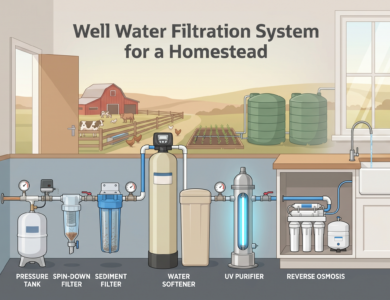
Clean water is non negotiable for off grid living. In 2026, off grid water systems have become far more efficient and safer, combining modern filters with smart monitoring. A good setup includes rainwater collection, storage tanks, and a multi stage filtration system to ensure safe drinking water.
Rainwater harvesting systems use roof catchments and gutters to funnel water into large storage tanks. From there, the water passes through sediment filters, activated carbon, and UV or ceramic purification units. This process removes bacteria, chemicals, and microplastics, producing water as clean as city supplies.
If rainwater is scarce in your area, portable filtration systems like Berkey or Sawyer filters are excellent backups for well or surface water. Solar powered pumps can move water efficiently without draining your battery bank.
A water filtration and collection system gives you independence from municipal sources while ensuring your family always has access to safe, clean water. Combined with good conservation habits, it can sustain a household year round.
4. Off grid refrigeration and cooking solutions
When you live off the grid, keeping food fresh and cooking efficiently can be challenging without the right setup. In 2026, the good news is that off grid refrigeration and cooking systems have become far more energy efficient and practical than ever before.


Solar powered refrigerators are now a standard part of modern off grid living. They use direct DC power, which eliminates the need for constant inverter use and reduces energy loss. Many models can run on as little as 100 watts per day, making them ideal for solar systems of any size. Some brands even include battery backup to maintain cooling during extended cloudy weather.
For cooking, propane and butane stoves remain reliable favorites, especially for remote cabins. However, new induction cooktops designed for solar systems are gaining popularity. They cook faster, waste less energy, and are safer to operate indoors.
Wood burning stoves are still a great option, especially if you have access to your own firewood. They can heat your home and cook your meals simultaneously. Some newer models even include built-in ovens or water heating coils, providing multiple uses from a single source of energy.
The goal is to combine different systems solar, gas, and wood so that you always have a backup method for cooking and food storage. This layered approach ensures comfort and reliability year round.
5. Smart communication devices and emergency radios
Staying connected is one of the biggest challenges of off grid life, especially in remote areas. Fortunately, 2026 brings advanced communication devices that make isolation a thing of the past.
Satellite based systems such as Starlink now allow homesteaders to access high speed internet almost anywhere in the country. These systems use compact, self-aligning dishes that draw minimal power, making them compatible with solar setups.
For emergency communication, long range radios remain essential. A reliable CB or HAM radio allows you to reach others even if cell networks fail. Many off grid families keep a crank or solar powered emergency radio on hand to receive weather alerts and news updates during outages.
Handheld satellite messengers like Garmin inReach or ZOLEO devices also provide texting and GPS tracking anywhere in the world, which can be life saving if you live in remote terrain.
In 2026, the combination of satellite internet, radios, and portable communicators ensures you can stay informed, call for help, and maintain contact with family or community no matter where your homestead is located.
6. Efficient heating and cooling options
Temperature control can make or break your comfort level off the grid. Heating and cooling systems used to be energy heavy, but new technologies now make them compatible with renewable power.
For heating, wood stoves remain a classic and dependable choice, especially for rural areas with access to timber. But modern pellet stoves and high efficiency propane heaters offer cleaner, more consistent warmth with less maintenance. Some units can even be integrated with solar battery systems for automated temperature control.
For cooling, solar powered fans, ventilation systems, and mini split air conditioners are now realistic for off grid homes. The latest DC inverter mini splits use as little as 500 watts per hour, meaning you can stay comfortable without draining your batteries.
Thermal curtains, insulation panels, and smart thermostats also play an important role. They reduce your overall energy needs, making it easier to maintain a stable indoor temperature.
Heating and cooling are often underestimated by beginners, but they are essential for year round comfort. The key is to use a mix of passive design like shading, insulation, and ventilation alongside efficient modern systems that match your energy setup.
7. Sustainable food preservation tools
When you live off the grid, food preservation is one of the most valuable skills you can learn. In 2026, modern tools make it easier to store food safely without relying on constant refrigeration.
Dehydrators and freeze dryers designed for solar use are becoming increasingly popular. A solar dehydrator requires no electricity and can dry fruits, herbs, and vegetables in just a few hours. Freeze dryers, on the other hand, preserve entire meals while maintaining nutrients and flavor. Though they require more energy, new models are compatible with solar systems and efficient enough to use in small homesteads.
Canning remains a timeless and reliable method for long term storage. With a good pressure canner, jars, and a propane or wood stove, you can preserve vegetables, soups, and meats for up to a year.
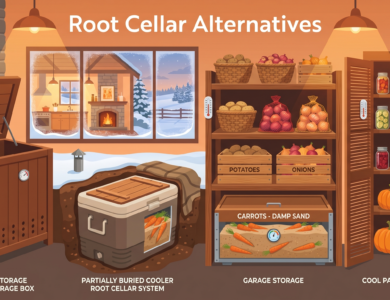
Vacuum sealers, root cellars, and fermentation tools round out your food preservation toolkit. Combining these methods allows you to save harvests, reduce waste, and stay independent through any season.
With the right setup, you can build a self sustaining pantry that keeps your family fed and healthy all year long.
8. Multi purpose hand tools and maintenance gear
Off grid life demands self reliance, and that includes fixing, building, and maintaining your equipment. Having a collection of durable hand tools can make the difference between frustration and freedom.
Every homestead should have a high quality tool kit that includes wrenches, screwdrivers, pliers, hammers, and saws. Power tools are great, but hand tools keep working when the batteries die or power runs low.
In addition, essential maintenance gear like chainsaws, shovels, axes, and a sturdy wheelbarrow make daily chores easier. A small welding kit or portable generator can also be useful for repairs.
The key is to invest in tools that last. Cheap equipment often fails when you need it most. Stainless steel, carbon steel, and heavy duty materials will serve you for years, especially if you keep them clean and oiled.
Having the right gear not only saves money but gives you confidence. You can fix a fence, repair a pump, or build a chicken coop without relying on anyone else.
9. Off grid lighting and backup power
Lighting is easy to overlook until the first night you spend in total darkness. A reliable lighting system keeps your home safe, functional, and comfortable.
Solar powered LED lights are now the standard choice. They draw minimal energy, last for years, and often come with built in motion sensors or rechargeable batteries. Keeping a few headlamps and lanterns on hand ensures you can move around at night or during power maintenance.
In 2026, portable power stations are also essential for backup. These compact lithium battery packs can charge phones, lights, radios, and small appliances during emergencies. Some can even recharge via solar panels, making them a reliable off grid safety net.
For long term setups, consider a hybrid system that includes both fixed lighting and portable units. That way, you are always covered, whether you are in your cabin, workshop, or outdoors at night.
10. Security and surveillance essentials
Living off the grid often means living far from neighbors, which can bring peace but also vulnerability. Modern technology now offers efficient ways to secure your property without relying on grid power.
Solar powered cameras, motion detectors, and perimeter alarms have become affordable and easy to install. These systems connect to mobile devices via Wi Fi or satellite, allowing you to monitor your homestead remotely.
In addition to electronics, simple physical security strong locks, fences, and good lighting goes a long way. Dogs are also a timeless form of security, offering both protection and companionship.
Off grid living should feel safe and peaceful. By combining smart security tools with practical awareness, you can enjoy freedom without fear.
How to choose quality off grid gear
Building your off grid setup is one of the most exciting parts of the journey but it can also be one of the most expensive. Choosing the right gear requires a balance between cost, durability, and practicality. Buying cheap tools might save you money upfront, but in the long run, they often fail when you need them most. Investing in quality off grid gear ensures safety, reliability, and long term savings.

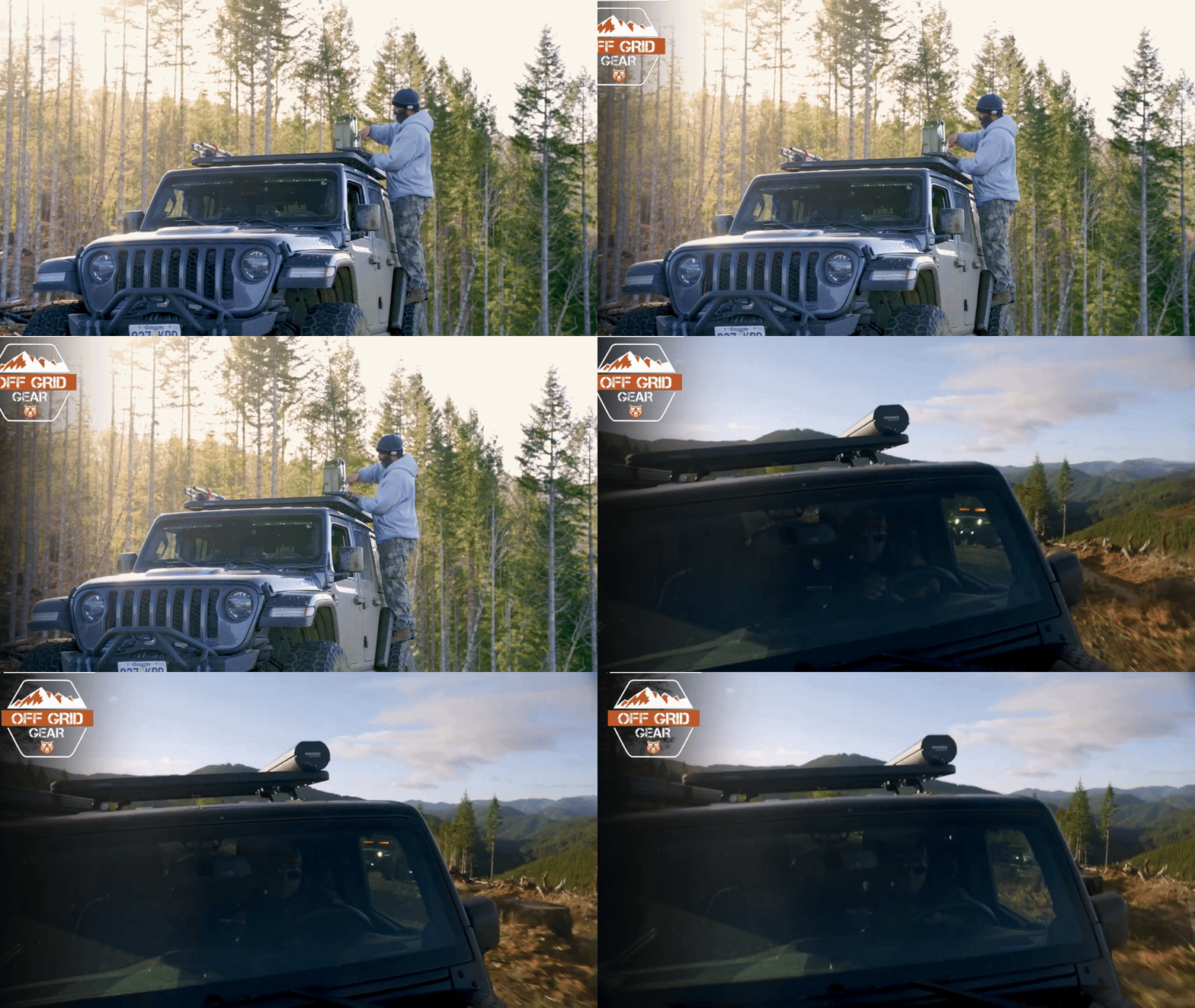
Avoiding cheap products that fail fast
The market is full of products that claim to be “off grid ready,” but not all of them live up to the promise. Many newcomers make the mistake of buying low cost gear that looks good online but cannot handle real world conditions.
For example, inexpensive solar panels might deliver half the rated power after a few months of exposure. Budget water filters often clog quickly or fail to remove harmful bacteria. Cheap inverters can overheat or malfunction under continuous use.
When you live off the grid, you cannot afford frequent equipment failures. Every tool, from your batteries to your cooking stove, plays a role in your survival and comfort. That is why it is better to start small with quality components than to buy a complete setup made of low grade parts.
Read reviews from verified users, not just promotional sites. Look for products with warranties, replaceable parts, and solid brand reputations. A tool that lasts ten years is far cheaper than one you replace every season.
Investing once in durable essentials
Off grid living is about building systems that last. Durability and efficiency matter more than fancy features. Start by prioritizing your critical systems: power, water, food, and shelter. Spend your budget on the essentials first, then expand later as you gain experience.

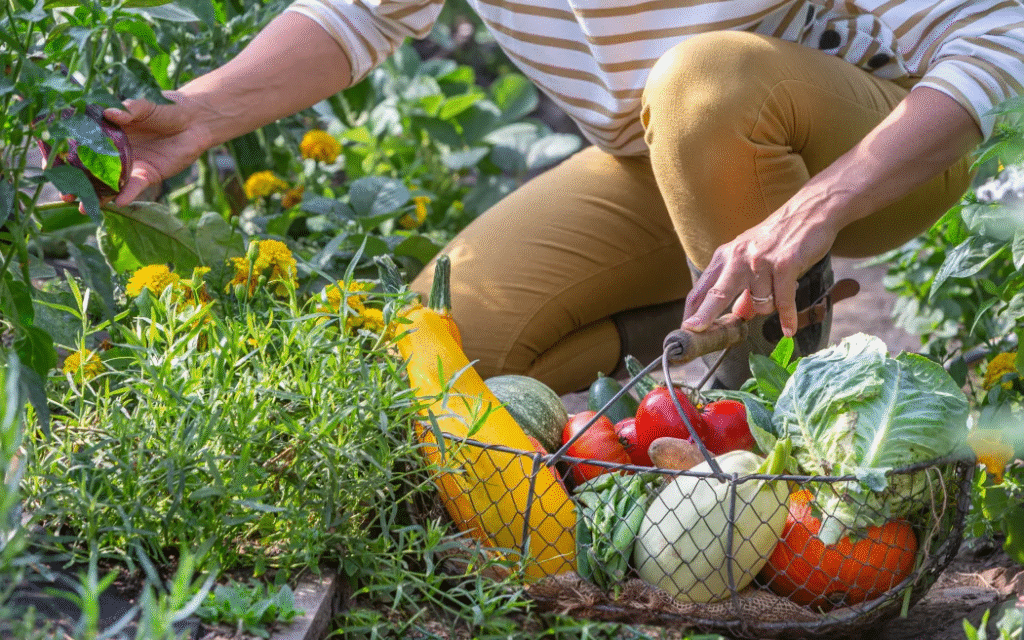
For solar power, go with tier one panels from trusted manufacturers and pair them with lithium batteries that have built in battery management systems. These batteries can easily last over a decade and handle deep discharges safely.
When buying water systems, choose stainless steel or food grade plastic components that resist corrosion. A solid gravity fed filtration system is better than a complicated pump that breaks down after a year.
The same logic applies to tools. A forged steel axe or a commercial grade chainsaw may cost more, but they will serve you for decades if maintained properly. Cheap aluminum tools often bend or crack under pressure.
Testing your equipment before relying on it
Before moving fully off the grid, test your gear under realistic conditions. Run your solar system for several days to see if it can handle your power needs. Test your water filtration setup using rainwater or well water to check flow and taste. Try preserving food with your dehydrator or canner to confirm it works as expected.
Testing helps you identify weak points before they become emergencies. It also gives you confidence and experience in using your tools effectively.
Thinking long term
When evaluating any product, ask yourself whether it supports long term sustainability. Does it require disposable filters, fuel, or parts that may become unavailable? Can it be repaired with simple tools? Can you maintain it yourself, or will you depend on technicians and spare parts from the city?
Simplicity is often better. The fewer moving parts and electronic components, the fewer chances for failure. Off grid gear should be something you can understand, maintain, and repair on your own whenever possible.
The bottom line
Choosing quality off grid gear is not about buying the most expensive brand. It is about understanding your needs and investing in equipment that you can rely on year after year. Every system on your homestead should serve a purpose, save you time, and make your life easier.
In 2026, the best off grid setups are built on smart choices and practical experience. Start small, invest wisely, and your equipment will pay for itself many times over through reliability and peace of mind.
Smart habits to make off grid living easier
Having the right tools is only half the equation. The other half is how you use and maintain them. Off grid living rewards consistency, organization, and smart habits. Whether you are new to this lifestyle or already established, these practices can help you live more comfortably and prevent small problems from turning into big ones.
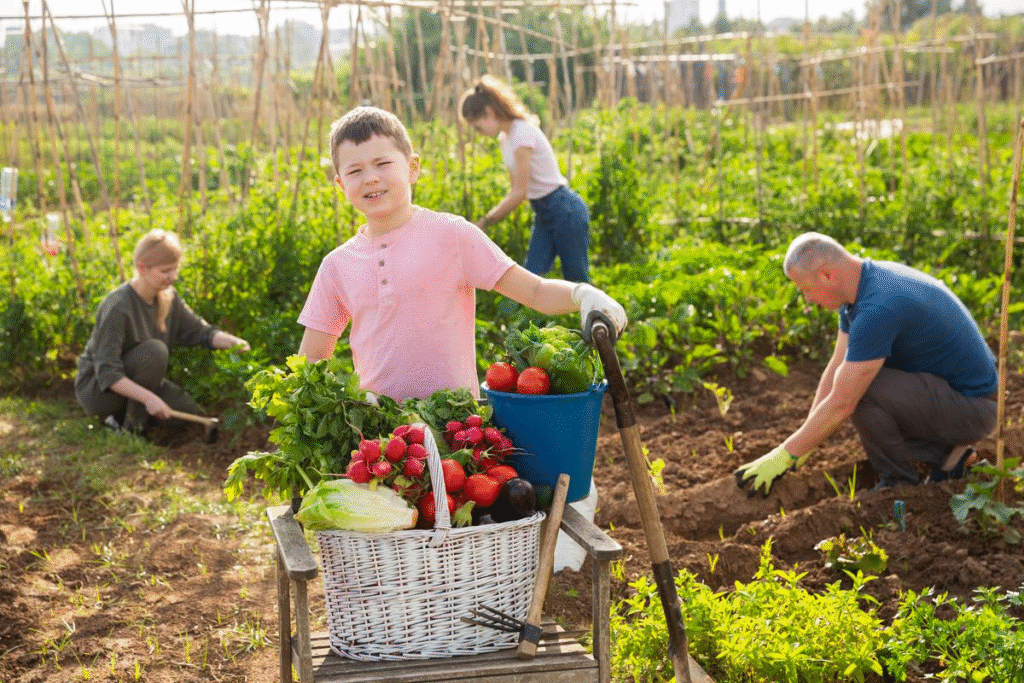
Maintenance routines
Every system on your homestead from your solar setup to your water filters needs regular attention. Small maintenance routines prevent breakdowns, extend the lifespan of your gear, and keep your environment safe.
Check your solar panels weekly to make sure they are clean and free of debris. Dust, snow, or leaves can reduce output dramatically. Inspect connections and battery terminals every few months for corrosion or loose wiring.
For water systems, replace filters on schedule and keep spare parts on hand. If you are collecting rainwater, clean gutters and tanks seasonally to avoid algae and debris buildup.
Food preservation equipment like dehydrators and canners should also be tested before harvest season to make sure they are working properly. Routine maintenance may sound tedious, but it saves time and money in the long run.
Keep a written checklist or digital logbook to track maintenance dates and notes. This habit will make your off grid systems run smoother and give you peace of mind.
Energy management
Managing energy wisely is one of the most important skills in off grid living. Even with modern batteries, your power supply is limited. Learning to monitor and balance your energy use makes life more predictable and efficient.
Start by identifying your biggest power consumers. Refrigerators, freezers, and heaters are often the main culprits. Use them during daylight hours when solar energy is abundant, and limit heavy power use at night.
Many off grid homes install smart monitors that show real time data on energy input and consumption. These systems help you see how your habits affect battery levels and allow you to make quick adjustments.
Another useful strategy is to diversify your power sources. Combining solar panels with wind turbines or micro hydro generators ensures you always have energy, even on cloudy or calm days. Backup propane generators are also valuable for emergencies or prolonged bad weather.
By tracking your energy flow and using power consciously, you extend battery life, reduce stress, and maintain consistent comfort.
Backup planning
Every homestead should have a backup plan for power, water, and communication. Off grid systems are reliable, but nothing is foolproof. Having secondary systems ensures you can stay safe and functional even during equipment failure.
Keep at least one backup power source, such as a small generator or portable power station. For water, have extra storage tanks or manual pumps in case of mechanical failure. For communication, a satellite messenger or radio ensures you can call for help if needed.
Food backups are equally important. Keep emergency rations, canned goods, and preserved foods ready in case your main systems are unavailable for a few days.
Backup planning is not pessimism it is smart preparedness. It allows you to face storms, equipment malfunctions, or long power shortages without panic.
Efficiency through organization
Finally, keep your homestead organized. Knowing where your tools, spare parts, and supplies are saves time and reduces frustration. Label containers, store gear in dry, accessible places, and maintain clear walking paths around your workspace.
Simple organization makes off grid life smoother, safer, and more enjoyable. The more efficiently you can find and fix things, the more energy you can spend on living, not troubleshooting.
Living smart in 2026
Off grid living today is about balance. You do not have to work harder you have to work smarter. By developing good maintenance habits, managing your energy, and preparing for the unexpected, you create a lifestyle that is sustainable, peaceful, and empowering.
It is not about perfection; it is about progress. Every smart habit you build brings you closer to true independence and the confidence that comes with mastering self sufficiency.
FAQ – Answering all the obvious questions
What should every off grid home have?
Every off grid home should have four core systems: power, water, food, and communication. Reliable solar power with good battery storage keeps your home running day and night. A safe water collection and filtration system ensures clean drinking water. Food preservation tools help you store what you grow or hunt. Finally, communication devices such as satellite internet or emergency radios keep you connected and safe.
How much does it cost to set up off grid essentials?
The cost varies depending on your goals and comfort level. A basic off grid setup with solar panels, batteries, water filtration, and simple cooking gear can start around 10,000 dollars. For a more advanced system with large battery banks, incinerating toilets, freeze dryers, and full communication equipment, expect to spend 30,000 to 50,000 dollars or more. The good news is that these systems pay for themselves over time through lower utility bills and increased independence.
Are new technologies making off grid life easier?
Absolutely. In 2026, off grid technology is more advanced than ever. Solar panels are more efficient, lithium batteries last longer, and portable power systems are compact and affordable. Smart monitors help track energy and water use. Satellite based internet and communication systems now make remote living far more connected than in the past. The result is a lifestyle that combines freedom with modern comfort.
Can you live off the grid with minimal gear?
Yes, but it depends on your expectations. You can start small with just the basics a bucket toilet, a few solar panels, a water filter, and a propane stove. This minimalist setup works well for cabins or part time retreats. However, if you plan to live off grid full time, you will need a complete system to ensure comfort and safety year round. It is better to start small and expand gradually as you learn what you truly need.
What’s the best off grid starter setup for beginners?
For most beginners, the best starting point includes a small solar kit, a rainwater collection system, a propane stove, and a composting or bucket toilet. Add rechargeable LED lights, a basic tool kit, and a reliable water filter. This simple setup allows you to live comfortably while you gain experience and upgrade later.
Our final thoughts
Living off the grid in 2026 is not about escaping modern life it is about redesigning it. Thanks to new technology and smarter design, independence has never been more achievable. Whether you want to reduce expenses, prepare for emergencies, or live a cleaner, simpler life, these off grid essentials will help you succeed.
The beauty of off grid living is that it is flexible. You can start with a few solar panels and a water filter or go all in with a full energy and food system. Every improvement you make brings more stability and freedom.
Off grid living also builds resilience. Power outages, storms, or economic changes will not affect you as much when you can produce your own energy and food. It gives you peace of mind knowing that your comfort and security do not depend on fragile systems.
As technology continues to advance, 2026 is the perfect time to begin your off grid journey. The tools are smarter, the systems are easier to maintain, and the lifestyle is more accessible than ever.
Living smarter and simpler is not about giving up luxury it is about creating independence, sustainability, and a deeper connection with the life you build. With these top 10 off grid essentials, you are ready to start that journey with confidence.
Keywords
- Off grid essentials 2026
- Off grid living must haves
- Off grid gear list
- Off grid survival essentials
- Must have off grid tools
- Solar power setup
- Water filtration system
- Off grid communication devices
- Backup power storage
- Sustainable food preservation
- Emergency off grid gear
- Off grid technology 2026
- Off-grid essentials 2026