Why I walked away from modern life to build an off-grid homestead
 ">Discover Homesteading
Send an email
">Discover Homesteading
Send an email

Why I left modern life to build an off-grid homestead
If you had told me five years ago that I’d be living off the land, powering my home with solar energy, and growing my own food, I would’ve laughed. I was the definition of modern life: smartphone always within reach, meals ordered with a tap, constant notifications keeping my mind busy yet empty.
But something about that life never sat right with me. I felt disconnected from nature, from my own abilities, and frankly, from any real sense of purpose. The off-grid living experience seemed like a distant, almost mythical idea, something for hardcore survivalists or reality TV shows.
Yet here I am, sitting in a hand-built cabin, watching the sun rise over my small garden, thankful that I walked away from modern life to build my very own off-grid homestead.
This is my story the why, the how, and what I’ve learned by stepping away from the conveniences of modern society and into a life of self-sufficiency.
What made me leave modern life
It didn’t happen overnight. My decision to leave the comfort of modern living was the result of years of quiet frustration building beneath the surface.
The stress of the grind
For years, I was locked into the same routine: wake up, rush through breakfast, commute to a job that drained me, come home too tired to enjoy anything, sleep, repeat. On weekends, I’d escape into binge-watching shows or scrolling through social media, convincing myself that this was relaxation.
But deep down, I felt trapped. The more I earned, the more I spent chasing new gadgets, trends, and experiences that never really satisfied me. I was living, but not truly alive. The system kept me busy, but it didn’t nourish me.
The superficiality of modern conveniences
Sure, everything was easy groceries delivered in hours, entertainment on demand, climate-controlled comfort. But it all felt hollow. My dependence on these conveniences made me feel less capable, less connected to how things actually worked in the world.
I began questioning:
What does it really mean to be alive if I can’t grow my own food, build shelter, or survive without swiping a credit card?
This thought haunted me. I wanted to know what it was like to live off the land, just imagine living off the land to build something tangible, to see the results of my own hands instead of another digital screen.
A growing disconnection from nature
Why live off the grid? I’d always loved nature, but living in the city turned it into something you visit not something you live with. A hike here, a weekend camping trip there, but always returning to concrete walls and artificial light.
I craved more. I wanted to wake up with the sun, breathe in the scent of soil, and feel the rhythm of the seasons guiding my days.
The tipping point
The real breaking point came one night when I realized I hadn’t seen the stars in months. Light pollution, deadlines, stress I was buried under it all. I remember standing on my apartment balcony, looking up at the faint glow of the night sky, and thinking, “There has to be more than this.”, “What about homesteading and off grid living experience.”
That was the moment I decided to change everything and to think about homesteading. I didn’t want a life where I barely scraped time for nature, where my existence was tied to a paycheck, or where my skills were limited to navigating corporate structures.
I wanted to create a life rooted in self-sufficiency, in which I could produce, build, and sustain myself with my own efforts.
That’s when I committed to building an off-grid homestead a place where I could leave the trappings of modern life behind and fully embrace the challenge of off grid living experience.
It wasn’t just about escaping it was about reclaiming life on my own terms.
How I prepared for the off-grid lifestyle (& why live off the grid)
Once I made the decision to leave modern life behind, reality set in quickly. I had no background in homesteading, no experience living off the grid, and barely any practical skills beyond changing a tire or assembling flat-pack furniture. If I wanted to succeed, I needed a plan and more importantly, I needed to prepare both mentally and practically.
Research became my obsession
I started by consuming every piece of information I could find. I read books about homesteading, watched hours of YouTube tutorials, and followed blogs from people already living off-grid. I wasn’t looking for entertainment; I was studying.
Some nights, I’d stay up late watching how to install solar panels or build a rainwater catchment system. I took notes, bookmarked resources, and created a mental map of everything I’d need to learn:
- Shelter construction
- Water sourcing and filtration
- Off-grid power solutions
- Food preservation and storage
- Gardening basics
- Simple repairs and DIY maintenance
Each topic felt like a mountain to climb, but breaking it down piece by piece made it manageable.
Financial planning: cutting ties with consumerism
One of the biggest steps in preparing was financial. I wasn’t wealthy, and buying land plus setting up an off-grid homestead wasn’t cheap. I started saving aggressively. Every dollar I previously spent on dinners out, gadgets, or subscriptions was redirected into a “homestead fund.”
I also downsized my lifestyle. I sold off furniture, electronics, clothes I didn’t wear all things that wouldn’t follow me to an off-grid life. Letting go of these possessions wasn’t just practical; it was symbolic. Each sale was a step away from the person I used to be and closer to the life I wanted.
I also paid off my debts. I knew that financial freedom was essential I couldn’t afford monthly payments or obligations when I was trying to live simply and self-reliantly.
Skill-building in the city
While still living in the city, I began experimenting with basic skills:
- I started a small herb garden on my windowsill to understand plant care.
- I learned to bake bread from scratch no machines, just my hands.
- I practiced sewing, fixing minor tears instead of tossing clothes.
- I tried my hand at fermenting foods like sauerkraut and pickles.
These small victories built my confidence. They reminded me that self-sufficiency wasn’t about knowing everything upfront it was about being willing to learn and adapt.
Choosing the right location
Finding land wasn’t just about price. I made a checklist of priorities:
- Access to a water source, like a creek or well potential.
- A region with sufficient sunlight for solar power.
- A mild climate that wouldn’t make year-round living unbearable.
- Looser building codes and off-grid friendly regulations.
I spent weekends driving out to rural areas, walking properties, talking to locals, and getting a feel for the land. Eventually, I found a modest piece of property with a mix of open space and forest, a reliable creek, and just enough isolation without complete remoteness.
Mental preparation
Perhaps the most important part of my preparation was mental. I had to confront the reality that this life would be difficult, especially at first. I wouldn’t have the safety nets of city infrastructure. Mistakes would cost me time, money, or even comfort.
I journaled a lot during this phase, writing down my fears, expectations, and hopes. I knew that loneliness, frustration, and fatigue would be part of the journey but I also believed that the rewards would outweigh them.
I reminded myself that this was a self-sufficiency journey, not a weekend project. I didn’t need to have it all figured out before starting I just needed the willingness to learn, to fail, and to keep going.
With my research done, savings in place, and mindset ready, I finally reached the point where there was nothing left to plan only to act. That’s when I packed up my life, left the city for good, and began the hardest yet most fulfilling chapter: building my off-grid homestead.
Building my off-grid homestead
The day I left the city with my truck packed full of tools, camping gear, and a notebook filled with plans, it all felt surreal. I wasn’t moving into a new house or apartment I was heading to a patch of raw land with no structures, no utilities, and no guarantees. Every comfort I once took for granted was gone the moment I turned onto that gravel road.
This was day one of building my off-grid homestead, and I was both terrified and exhilarated.
The first priority: shelter
Before anything else, I needed a place to live some form of shelter that would protect me from the elements while I built something more permanent. I had originally fantasized about constructing a cabin from scratch right away, but reality quickly humbled me.
I started with a basic canvas wall tent, the kind used by hunters, set up on a raised wooden platform to keep me off the damp ground. Inside, I set up a cot, a small wood stove for heat, and a few essentials. It was modest, but it gave me a basecamp a safe spot to rest, plan, and regroup.
With shelter secured, I moved on to my longer-term goal: building a small cabin. I’d never built anything of that scale before, but thanks to months of research, I had a rough plan. Each day was a learning experience:
- Digging and setting foundation posts by hand.
- Framing walls and roofing, learning as I went.
- Using reclaimed wood when possible to cut costs.
- Installing insulation to survive cold nights.
It wasn’t fast, and it wasn’t pretty, but little by little, a cabin started to take shape. Every nail I hammered felt like a personal victory.
Securing water: the lifeline
Water is everything when you’re living off the land. My property had a small creek running through it, but I couldn’t rely on that alone. I needed both drinking water and water for gardening.
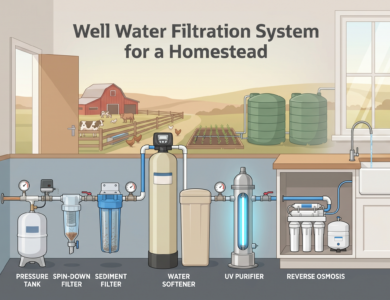
I started by setting up a rainwater catchment system. I rigged gutters on the cabin roof that fed into large barrels, complete with a basic filtration system. For drinking, I used gravity filters to ensure the water was safe. When the creek was running high, I supplemented my supply with filtered creek water.
Water management quickly taught me how precious every drop is. I became mindful of how I used it from cooking to bathing to watering plants.
Powering up with solar
Electricity wasn’t essential, but having some power made life far more manageable. I installed a small solar power system with a couple of panels, a charge controller, batteries, and an inverter. It was enough to power lights, charge devices, and occasionally run small appliances.
Installing the system myself wasn’t without hiccups. I miscalculated my energy needs at first, leading to a few nights with dead batteries. But I learned to adjust, to conserve power, and to expand the system slowly.
The first garden: growing my own food
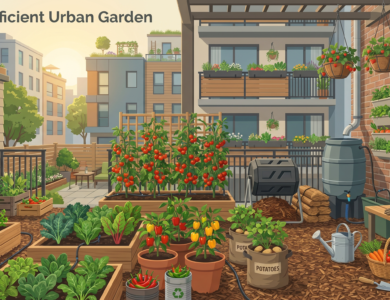
With shelter and water in place, I turned my attention to food. I cleared a patch of land near the cabin for a small vegetable garden. The soil needed work, so I enriched it with compost and organic matter I gathered from the forest floor.
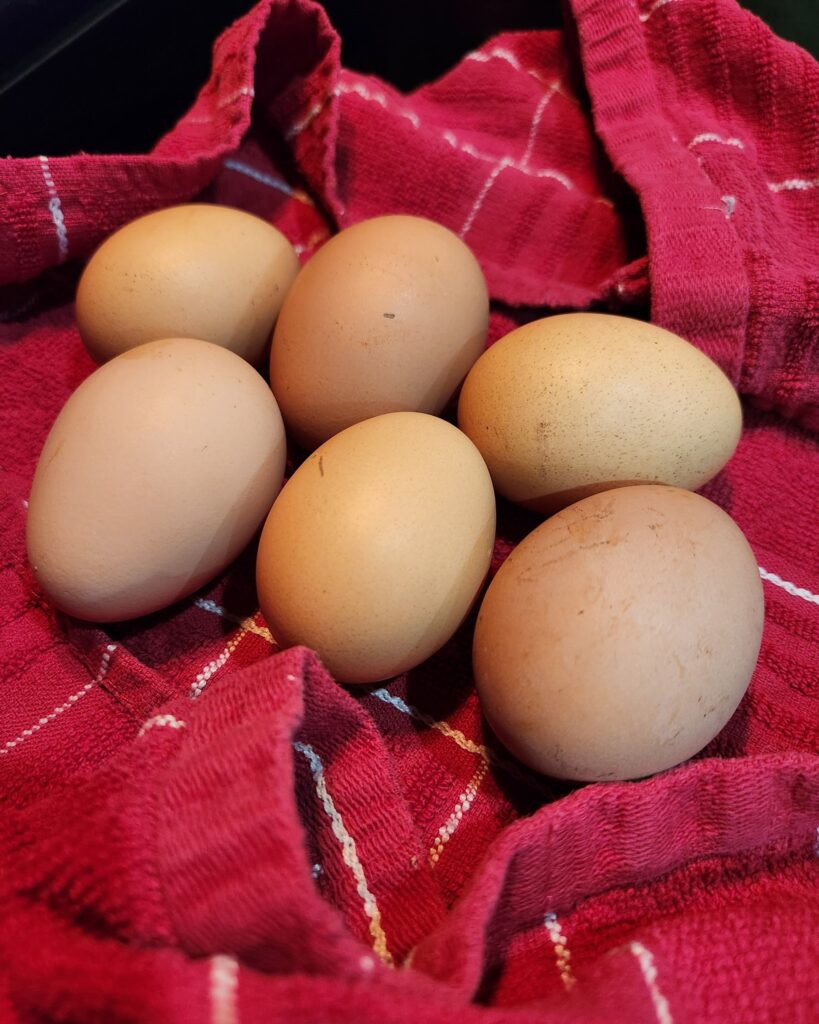
I started simple: potatoes, carrots, beans, and leafy greens. I built raised beds to keep the soil contained and easier to manage. Not everything thrived some crops failed due to pests or poor planning but harvesting my first handful of green beans was an unforgettable moment.
Each season, I learned more: when to plant, how to compost effectively, and how to deal with critters that saw my garden as a free buffet.
Living the rhythm of the land (living off the land)
Life on the homestead quickly settled into a rhythm dictated by the seasons. Summer was for building, gardening, and stockpiling. Fall meant preparing for winter, splitting firewood, and preserving food. Winter was a quieter time, spent indoors planning and learning new skills. Spring brought renewal and planting.
It wasn’t easy. Some days were exhausting, others lonely. But every task, every chore, had meaning. I wasn’t just working I was building a life, one that didn’t rely on schedules set by someone else.
The realities of living off-grid
Before I made the leap, I thought I understood what off-grid living would be like. I had watched enough videos, read enough blog posts, and heard enough stories to feel “prepared.” But no amount of research could truly replicate what it’s like to live it day in, day out.
Living on an off-grid homestead strips life down to its essentials. There’s no hiding from your own weaknesses or the unpredictability of nature. Every day is shaped by the land, the weather, and your own resourcefulness. Let me take you inside what that looks like.
Daily routines, dictated by necessity
Unlike the rigid schedule I had in city life, my off-grid days flow with the sun and seasons. But that doesn’t mean they’re carefree. In fact, every day starts with a mental checklist:
- Check solar power levels. Did the batteries charge enough yesterday? Do I need to conserve power today?
- Check water reserves. How much rain did we get? Is the creek running well? Time to filter more drinking water?
- Tend the garden. Are pests showing up? Do plants need extra water? Are crops ready to harvest?
- Check food stores. Is the pantry running low on staples? Do I need to prepare for a town run?
Even simple things like cooking or doing laundry require planning. Without endless energy or water on tap, I learned to think ahead. If I wanted to bake bread, I needed to check if the solar system could handle running the oven that day otherwise, it was back to cooking over the wood stove.
The unexpected challenges
There were plenty of things I didn’t see coming when I started this journey.
- Weather extremes. Heavy rains flooded my first garden. A sudden frost wiped out my early spring crops one year. High winds damaged my solar setup. Nature is always in charge, and she doesn’t care about your plans.
- Equipment failures. My water pump broke in the middle of summer when I needed it most. I had to improvise a backup system using gravity-fed water storage until I could get a replacement.
- Wildlife. Deer, raccoons, and even bears occasionally roam close to the property. I lost several harvests to hungry critters before learning to properly fence and protect my garden.
- Isolation. Some days, the silence is beautiful. Other days, it’s deafening. Being alone with your thoughts is both a gift and a challenge. I’ve learned to balance solitude with regular trips to nearby towns and occasional visits with neighbors.
Mental and emotional growth
Living off the grid is as much a mental exercise as it is a physical one. Every problem I face demands creativity, patience, and persistence. There’s no one to call when something breaks, no app to deliver a solution it’s just me, my tools, and my wits.
But with each challenge comes growth. I’ve built things I never thought I could. I’ve repaired systems I barely understood a year ago. I’ve learned to sit with discomfort and uncertainty without panicking.
More importantly, I’ve developed a deep sense of confidence. Not arrogance but a quiet trust in my ability to figure things out.
Small victories that keep you going
Out here, the victories are smaller, but they mean more. The first time I harvested a full basket of vegetables, it felt like winning a marathon. Completing a rainwater system that actually worked through a full season? Huge win. Seeing the solar batteries fully charged after weeks of tinkering? That was like watching the city skyline light up.
Every improvement, every lesson learned, stacks up into a life that feels earned rather than bought.
Real talk: it’s not always idyllic
Some days are hard. There are moments I’ve felt overwhelmed, tired, or just plain lonely. There are times when I miss the ease of modern life hot showers on demand, reliable internet, restaurants around the corner.
But then I step outside, breathe in the crisp morning air, watch the garden grow, and remember why I chose this. The off grid living experience is raw, real, and grounding in ways I never expected.
What I gained by walking away from modern life
Leaving modern life behind was one of the biggest risks I’ve ever taken, but also the most rewarding. When I first started building my off-grid homestead, I knew I was trading convenience for challenge but I didn’t fully grasp how much I’d gain in return. This wasn’t just about building a home off the grid. It was about reclaiming parts of myself I didn’t even realize I’d lost.
Mental peace I didn’t know I was missing
City life is loud not just from traffic or noise, but from constant demands on your attention. Notifications, emails, deadlines, social media there’s always something trying to pull your focus.
Out here, that noise is gone. My days are filled with purposeful tasks: checking the garden, chopping wood, maintaining the water system. These aren’t chores; they’re acts of survival, and they bring a clarity I never had in the city.
Without the digital clutter, my mind feels quieter, calmer. I’ve had time to reflect, to think deeply, to rediscover old passions like writing and sketching. It’s as if stepping away from modern life gave my mind the space to breathe again.
A healthier body through daily effort
I didn’t need a gym membership to get in shape here. My fitness improved naturally from splitting logs, hauling water, hiking across my land, and just moving throughout the day.
I’m stronger than I’ve ever been, and not just physically. I sleep deeper. I wake up with the sun, feeling rested instead of groggy. My diet improved too; eating food I’ve grown myself feels different fresher, more meaningful.
This lifestyle has connected me to my body in a way that sitting behind a desk never could.
Financial freedom on my own terms
One of my biggest fears before leaving the city was money. Would I earn enough? Would I regret not having a steady paycheck?
The truth is, I spend so much less now. Without rent, utilities, or the pressure to keep up with the latest tech or fashion, my expenses dropped dramatically. I still earn through remote work and occasional freelance gigs, but I’m not working to consume I’m working to sustain.
I’m not rich by any stretch, but I have financial freedom because I’ve reduced my needs. That’s a kind of wealth I never had when I was making more but spending just as fast.
A real connection to nature
Before this, nature was something I visited on weekends. Now, it’s the backdrop to every day of my life.
I know when the sun rises and sets without checking a clock. I can predict weather shifts by the feel of the air and the way animals behave. I’ve seen seasons change, not from behind a window, but from my porch, my garden, my daily walks.
This connection has grounded me. It’s humbled me too nature doesn’t care about your plans. But that’s part of the lesson: adapting, respecting, coexisting.
A sense of accomplishment and pride
Everything here is the result of my own hands the cabin, the garden, the power system, the trails. That sense of ownership, of building a life literally from the ground up, is irreplaceable.
I used to feel productive when I cleared my inbox. Now, I feel productive when I see the pantry stocked with food I grew, when I split enough firewood to last the winter, or when I repair a leak in my water system.
These aren’t tasks to check off they’re skills I’ve earned, and they feed not just my body but my sense of worth.
Would I do it again?
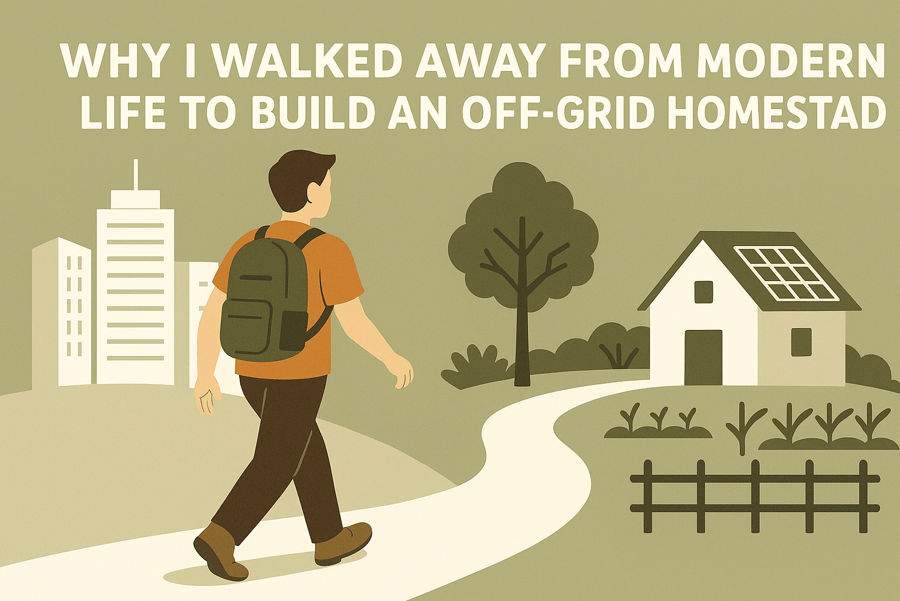
This is the question I get asked most when I share my story by friends, strangers online, even people I meet when I go into town for supplies: “If you had the chance to go back, would you still choose to leave everything and build an off-grid homestead?”
Without hesitation, my answer is yes. But it comes with an asterisk: it hasn’t been easy, and it never will be.
The hardships are real
I won’t sugarcoat it this life is hard. There are days when things go wrong back to back. A storm knocks out power, a leak appears in the roof, a tool breaks when I need it most. There are cold mornings when getting out of bed means stepping onto a freezing floor, and long nights when the wind howls and sleep feels impossible.
There are lonely moments too. Holidays can be quiet in a way that stings. Sometimes I miss the ease of a quick meal from my favorite restaurant or a spontaneous night out with friends.
Living off the grid demands persistence. There’s no one to call when things break down, no landlord to fix the water system, no safety net except what you’ve built.
But with every hardship comes a lesson. And with every lesson, I’ve become stronger, more capable, more confident in my ability to handle whatever comes next.
The rewards outweigh the challenges
For every hard day, there are dozens of moments that remind me why I chose this path:
- Watching the sun rise while sipping coffee made with filtered rainwater I collected.
- Harvesting a basket of fresh vegetables from the garden I planted with my own hands.
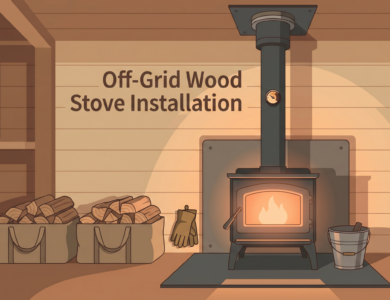
- Sitting by the wood stove on a cold night, warmed by the logs I chopped myself.
- Falling asleep to the sound of crickets and wind in the trees instead of city noise.
These moments aren’t just rewards they’re proof that I’m living life on my terms.
I’ve also learned skills that I once thought were beyond me. I can build, grow, fix, and adapt. That knowledge has given me a level of independence and confidence I never had when my life depended on paychecks and conveniences.
Advice for those considering this path
If you’re dreaming about living off the grid or leaving modern life behind, here’s what I’d say:
- Start small. You don’t have to drop everything overnight. Practice gardening, learn to preserve food, fix things yourself before committing fully.
- Prepare financially. Save more than you think you’ll need. Unexpected costs always pop up.
- Be honest with yourself. This life isn’t glamorous it’s gritty, real, and sometimes brutal. Make sure you’re drawn to the process, not just the aesthetics.
- Connect with others. Find mentors, online communities, or local homesteaders. Their guidance can be invaluable.
- Know your why. When things get hard and they will having a clear reason for choosing this path will keep you grounded.
My final reflection
I’d do it again because I’ve built a life that feels real. Not curated, not convenient, but deeply authentic. I traded comfort for connection to the land, to myself, to the rhythm of the seasons.
No life is perfect. But for me, this one is right. And that’s more than I ever felt in my old life.
Final advice for off-grid homestead
If you’ve read this far, maybe part of you is already thinking about what it would be like to step away from modern life to slow down, reconnect with nature, and build something with your own hands. Maybe you’re tired of the same routines, the constant noise, the endless chase for things that don’t truly satisfy.
I get it. I was there too. Staring out of a window in a crowded city, scrolling mindlessly, wondering if this was all life had to offer. It took me years to admit that I wanted something different and even longer to gather the courage to pursue it.
But here’s what I’ve learned:
You don’t have to accept the life that was handed to you. You can build your own, whether that means going fully off-grid or simply living with more intention and self-sufficiency.
The truth is, you don’t need to have all the answers before you start. I certainly didn’t. I left with a few tools, a lot of research, and the stubborn belief that I could figure it out as I went. And I did one mistake, one small victory, one season at a time.
I won’t pretend it’s easy. It’s not. But it’s real. Every day brings challenges, but also rewards that no paycheck or city skyline ever gave me.
So if you’re standing at the edge of your own decision wondering if you should take that leap here’s my advice:
Start small. Start where you are. But start.
Whether it’s growing your own food, learning to fix what breaks, or just spending more time unplugged, every step toward self-sufficiency brings you closer to a life that feels truly yours.
I walked away from modern life to build an off-grid homestead not because I hated the life I had, but because I wanted to see what else was possible.
And I’m here to tell you a different life is always possible.
FAQ
What is an off-grid homestead?
An off-grid homestead is a self-sufficient property that operates independently from public utilities like electricity, water, and gas. It typically includes alternative energy sources, water collection systems, and homegrown food production.
Why would someone leave modern life to live off the grid?
Many people choose to leave modern life behind for greater independence, a simpler lifestyle, reduced expenses, and a deeper connection with nature. It’s also a path to self-sufficiency and personal growth.
Is living off the grid expensive to start?
It can be, depending on location and setup. While the initial costs of land, solar systems, and tools can be significant, long-term living costs are often much lower than in urban settings due to reduced utility bills and self-produced food.
What are the biggest challenges of living off-grid?
Key challenges include building and maintaining infrastructure, unpredictable weather, isolation, and the physical demands of self-reliant living. However, these are also opportunities for personal growth.
Can anyone adapt to off-grid living?
Yes, but success depends on mindset, willingness to learn, adaptability, and patience. It’s essential to develop skills like gardening, basic construction, and energy management to thrive off the grid.
">Discover Homesteading
Send an email