Solar Well Pump for an Off-Grid Homestead: Sizing, Setup, and Mistakes to Avoid
 ">Discover Homesteading
Send an email
">Discover Homesteading
Send an email
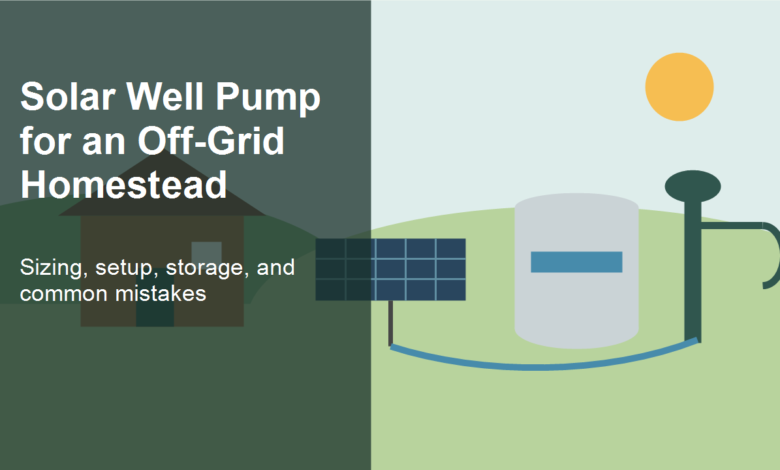
A solar well pump can be one of the smartest upgrades on an off-grid homestead, but only if it is sized around real water use instead of wishful thinking. I have seen plenty of rural water setups fail for boring reasons: the pump was strong enough, but the tank was too small; the panels were fine, but the well recovery rate was ignored; the house had water at noon, but not enough stored for a cloudy evening.
The good news is that a dependable setup is not complicated once you think in the right order: water demand, lift, storage, treatment, and backup.
This guide focuses on a practical solar well pump for an off-grid homestead: how to size it, how to connect it to storage, what mistakes to avoid, and when a hand pump, generator, or rainwater system should be part of the plan.
Why a Solar Well Pump Works So Well Off Grid
Most homesteads do not need water pumped every minute. They need water available when someone opens a faucet, fills a stock tank, waters seedlings, or takes a short shower. That makes solar pumping a natural fit: pump while the sun is available, then store the water for later.
That one shift matters. Instead of trying to store a lot of electricity in batteries just to run a conventional AC well pump at night, many off-grid homes store water. Water storage is usually cheaper, simpler, and more forgiving than battery storage.
A typical layout looks like this:
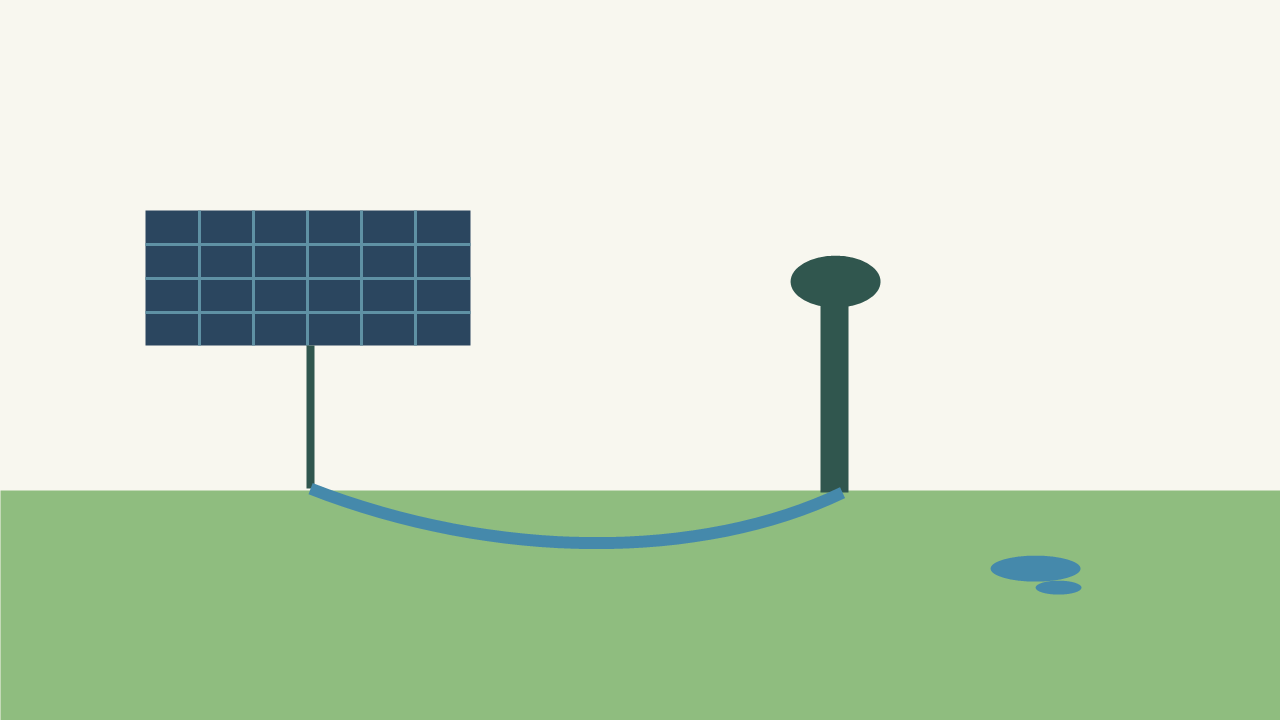
- Solar panels send DC power to a pump controller.
- A submersible pump lifts water from the well.
- Water fills a cistern, holding tank, or elevated storage tank.
- A booster pump or gravity feed moves water to the house, garden, or livestock area.
- Filters and disinfection handle drinking water quality.
For many homesteaders, the cleanest setup is a dedicated solar pump that fills a tank during daylight. The house plumbing can then run from that tank through a smaller pressure pump. It gives you a buffer if clouds roll in, and it keeps the well pump from short-cycling every time someone washes their hands.
There is also a resilience angle. If your house solar system is down for maintenance, a dedicated pump array can still fill storage. Off-grid systems are much easier to live with when every part is not dependent on every other part.
If you are still comparing your overall water options, start with our broader guide to off-grid water systems for rain, wells, and purification. This article goes deeper on the well-pump side.
How to Size a Solar Well Pump Without Guessing
Before buying a pump kit, write down four numbers: daily gallons needed, static water level, total lift, and well recovery rate. Those numbers matter more than brand names or glossy kit photos.
1. Estimate daily water demand
A careful off-grid household may use 30 to 60 gallons per person per day indoors. A conventional household with showers, laundry, and full plumbing can use more. Animals and gardens change the math fast; a few goats, meat birds in summer heat, or a quarter-acre garden can use more water than the people in the house.
Use a simple planning sheet:
- People: 40 to 75 gallons per person per day, depending on lifestyle.
- Chickens: roughly a quart per bird per day in mild weather, more in heat.
- Goats or sheep: often 1 to 4 gallons each per day.
- Garden irrigation: highly variable, but plan peak summer demand separately.
- Emergency reserve: at least several days of household water in storage.
Do not size your system only for a pleasant spring week. Size it for August, when the garden is thirsty, animals drink more, and the family still needs laundry done.
2. Know the lift, not just the well depth
A 300-foot well does not always mean the pump lifts water 300 feet. What matters is the pumping water level: the level water drops to while the pump is running. Add elevation from the wellhead to the tank, pipe friction, and desired pressure.
This is called total dynamic head. It is the number pump suppliers and installers need before they can recommend a pump honestly.
3. Check well recovery rate
If your well recovers at 1 gallon per minute, installing an 8 gallon-per-minute pump will not create more water. Low-flow wells can still work beautifully off grid, but they need low-water protection, slow pumping, and tank capacity.
The EPA recommends annual private well testing for common contaminants such as coliform bacteria, nitrates, total dissolved solids, and pH. That belongs in the sizing conversation too, because filtration and treatment may affect pressure and flow.
Storage: The Part Beginners Undervalue
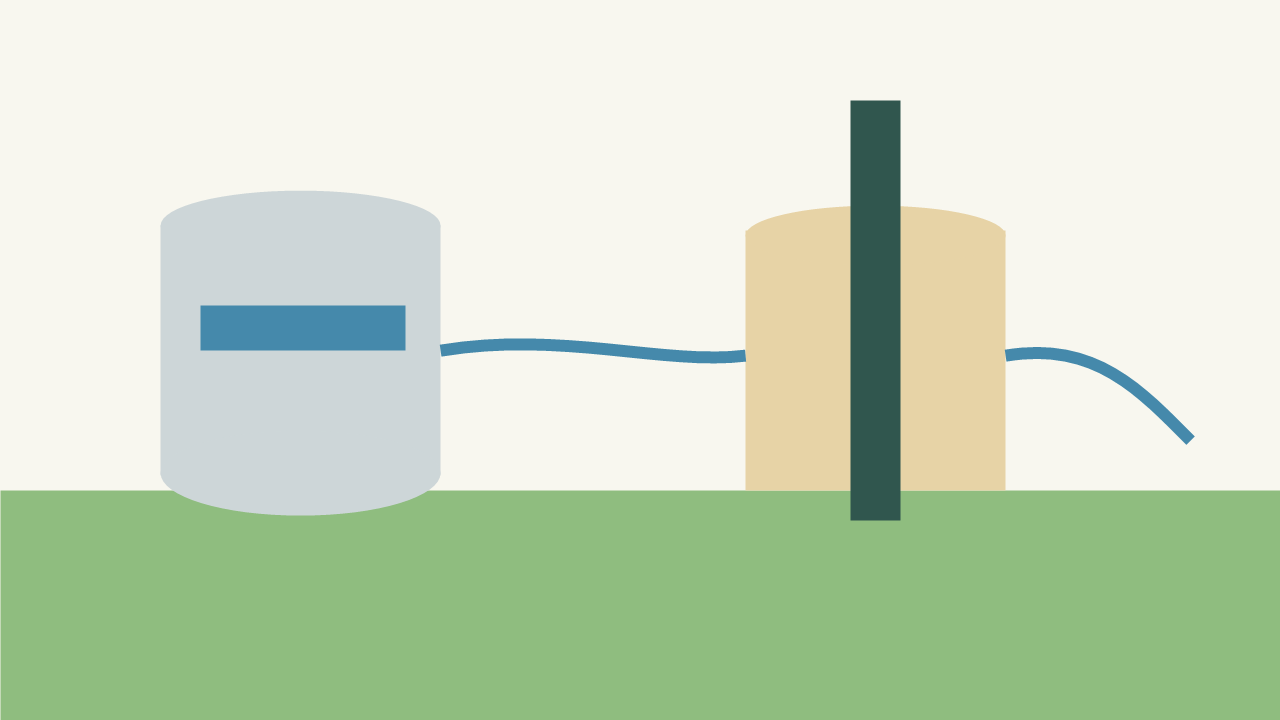
A solar well pump is only half the system. Storage turns daytime pumping into 24-hour water access.
For a small cabin, 300 to 500 gallons may be enough if usage is light. For a family homestead with animals and a garden, 1,000 to 3,000 gallons is more comfortable. In dry country, larger storage can be worth every dollar.
There are three common storage approaches.
Ground-level cistern with a booster pump
This is the most common modern setup. The solar well pump fills a cistern. A small pressure pump supplies the house through a pressure tank and filters, giving normal faucet pressure without forcing the deep-well pump to start and stop all day.
Elevated tank for gravity pressure
An elevated tank can supply water with little or no power, but the pressure is modest unless the tank is high. Every 2.31 feet of elevation gives about 1 PSI. A tank 25 feet above the house provides roughly 11 PSI before friction losses, which is fine for some uses but not a luxurious shower.
Direct-to-pressure system
Some solar pump systems can feed a pressure tank directly. This can work, especially for simple seasonal cabins, but it offers less stored water. On a working homestead, I prefer pumping to storage first, then pressurizing from there.
Think about freezing, algae, sediment, and access for cleaning. Above-ground tanks are easy to inspect but need shade or UV-resistant material. Buried cisterns stay cooler and resist freezing, but cost more to install. If you collect roof runoff as a backup, the NRCS Roof Runoff Structure conservation practice is a useful reference.
For broader power planning, pair this with our off-grid solar system setup guide, especially if your well system shares batteries or backup generation with the house.
Installation Choices That Save Trouble Later
A solar well pump installation looks simple on paper, but small details decide whether it is pleasant to live with. Long wire runs can create voltage drop. Undersized pipe creates friction loss and makes the pump work harder than it should.
Second, protect the pump from running dry. A low-water sensor is cheap insurance, especially in a low-yield well. Add a float switch so the pump stops when the tank is full.
Third, make maintenance easy. Put shutoff valves where you can reach them. Install unions where parts may need to be removed. Keep filters accessible instead of tucked behind a wall. Label wires while you still remember what they are.
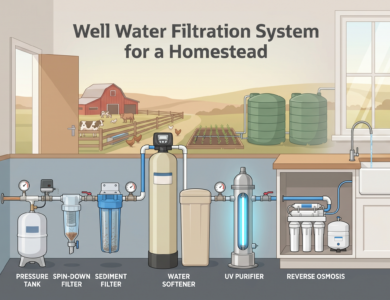
For drinking water, do not assume clear water is safe water. A practical homestead system often uses sediment filtration first, then carbon filtration for taste and odor, and UV or another disinfection method if testing shows biological risk. Private wells are not managed like municipal water systems, so the owner has the responsibility to test and respond.
Also check whether your project may qualify for local or USDA conservation support. NRCS has a Pumping Plant conservation practice standard used in agricultural water planning. Even if you are not eligible, the standard helps you ask better questions.
Common Mistakes to Avoid
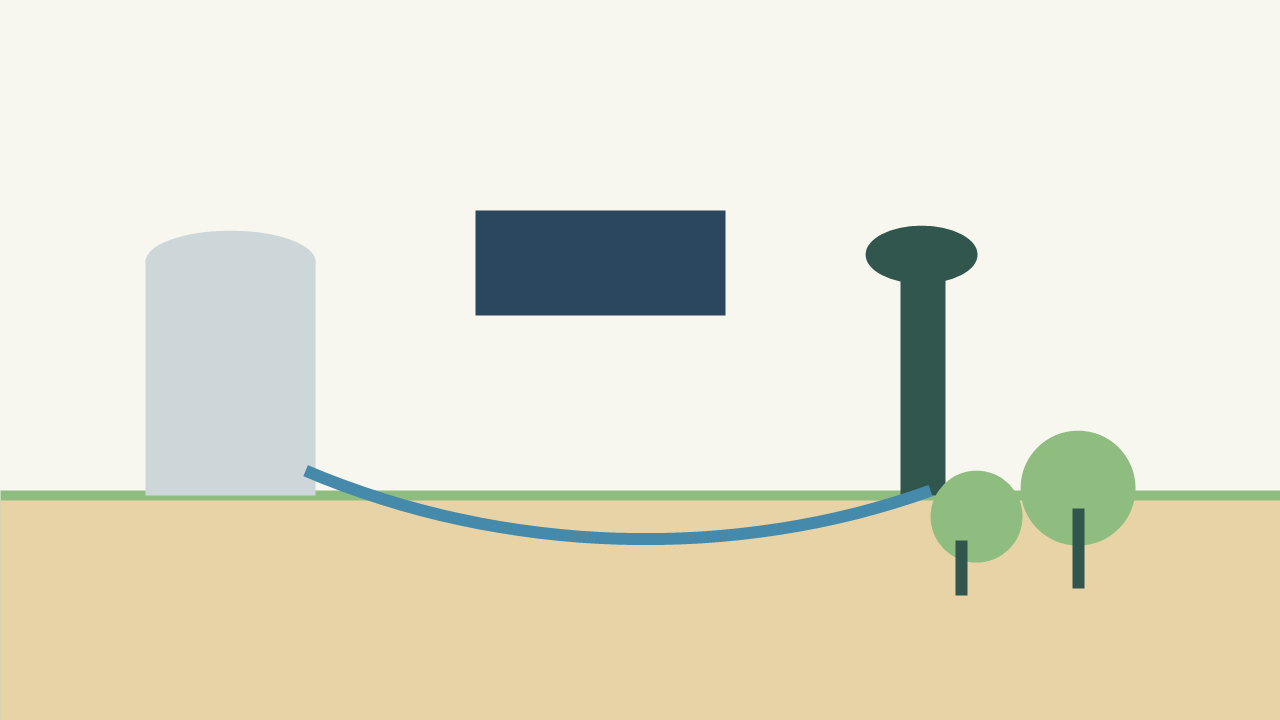
The biggest mistake is buying a pump before you know the well. A pump that is too small will frustrate you. A pump that is too large can cycle poorly, overdraw the well, or waste money on panels and hardware you did not need.
The second mistake is skipping storage. If the pump only works when the sun is strong, and you have no meaningful tank capacity, your water schedule will start running your life. Storage gives you breathing room.
The third mistake is mixing household and irrigation expectations. Drinking water, showers, and livestock water are one category. Broad garden irrigation is another, especially in dry western states.
A few other traps are easy to miss:
- Ignoring winter. Exposed pipes, valves, and filters can freeze quickly.
- Forgetting lightning protection and grounding for exposed solar arrays.
- Using non-food-grade tanks for potable water storage.
- Putting the cistern where a delivery truck, excavator, or repair vehicle cannot reach it.
- Failing to keep a manual backup for outages, wildfire smoke days, or equipment delays.
Your backup does not have to be fancy. It might be a hand pump, generator connection, hauled-water access, or rainwater system for non-potable uses. The best backup is the one you can actually use when you are tired and busy.
If you are still deciding where to build, water should be part of the land search from day one. Our guide to the best states for off-grid living in the USA covers why climate, counties, and water rules matter so much.
A Practical Starter Setup for a Small Homestead
For a realistic small homestead, I would start with a dedicated DC solar well pump sized to the well’s pumping level and recovery rate, wired to its own solar array. Let it fill a 1,000 to 2,500 gallon cistern through a float switch. From there, use a booster pump, pressure tank, sediment filter, carbon filter, and treatment matched to your water test results.
Add a frost-free hydrant near the garden or barn if the layout allows. Keep livestock lines simple and drainable. Put failure-prone parts where you can reach them without crawling through mud.
For many families, that setup feels less romantic than a hand-built tower and gravity-fed cabin sink, but it is comfortable, repairable, and realistic. You get water when the sun shines, stored water when it does not, and enough separation between systems that one failure does not shut down the whole homestead.
The goal is to turn a well into dependable daily water with enough storage, testing, and backup to sleep well during a dry week.
FAQ
Can a solar well pump run a whole house?
Yes, but most off-grid homes get better results by using the solar well pump to fill a cistern, then using a booster pump and pressure tank for household plumbing. This gives steadier pressure and stored water after sunset.
How many solar panels do I need for a well pump?
It depends on pump size, lift, daily gallons, and sunlight. Small systems may use a few hundred watts of panels, while deeper wells or higher water demand may need a larger dedicated array. Total dynamic head is the key sizing number.
Do I need batteries for a solar well pump?
Not always. Many homesteads skip pump batteries and store water instead. Pumping into a cistern during daylight is often simpler and cheaper than storing electricity to run the pump at night.
How much water storage should an off-grid homestead have?
A small cabin may manage with 300 to 500 gallons, but a family homestead with animals and gardens is usually more comfortable with 1,000 to 3,000 gallons or more, depending on climate and well recovery.
Can I install a solar well pump myself?
Some shallow or kit-based systems are DIY-friendly, but deep wells, electrical work, pitless adapters, and potable plumbing may require a professional or local permits. At minimum, have your well data and local code requirements checked before buying equipment.
How often should well water be tested?
The EPA recommends testing private wells annually for common indicators such as coliform bacteria, nitrates, total dissolved solids, and pH, with additional testing if local risks or water changes appear.
">Discover Homesteading
Send an email