
The self sufficient backyard: Kitchen, food, and off-grid living
 ">Discover Homesteading
Send an email
">Discover Homesteading
Send an email
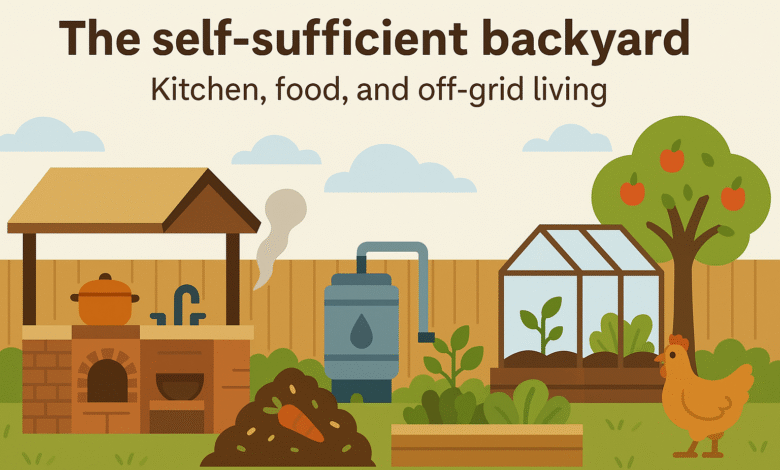
Build a Self-Sufficient Backyard with an outdoor kitchen
What is a self-sufficient backyard: Definition and benefits
Imagine stepping outside your back door and picking fresh tomatoes, gathering eggs still warm from the coop, or firing up your wood stove to prepare a meal, all without leaving your property. That’s the core of a self-sufficient backyard. It’s not about cutting ties with society or going full survivalist. It’s about reclaiming your space, your food, and your independence.
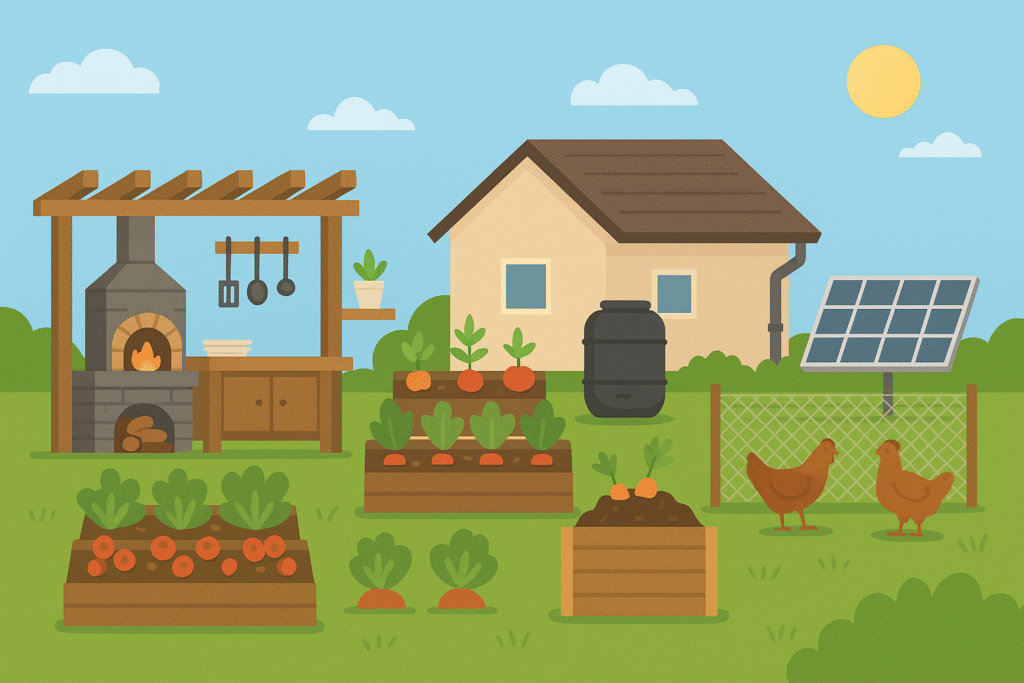
A self sufficient backyard is a purposefully designed outdoor space that supplies part, or even most, of a household’s food, water, and energy needs. At its core, it’s an ecosystem where raised beds, fruit trees, compost systems, chickens, and an outdoor kitchen all work together. It integrates elements of permaculture, sustainability, and preparedness, offering practical solutions in uncertain times.
And the benefits? They go well beyond fresh vegetables. Here are just a few:
- Lower grocery bills: Homegrown food reduces your dependence on store-bought produce.
- Greater resilience: In the face of supply chain disruptions, having your own food systems is priceless.
- Health and nutrition: You control what goes into your soil and your food, no chemicals unless you choose them.
- Emotional fulfillment: There’s a deep sense of peace and pride in harvesting what you’ve grown yourself.
- Education: Children raised in self-sufficient homes learn real-world skills, from planting to preserving.
Even if your backyard is modest, it can become a powerhouse of productivity. From edible landscaping to DIY water systems, the path to backyard self sufficiency doesn’t require 10 acres or a rural address, just intention, effort, and a little guidance.
Why it matters in 2025
In 2025, food independence isn’t a fringe idea. It’s a movement. Between rising grocery costs, extreme weather events, and growing concern over food quality, Americans are looking for ways to take control of their food supply. Add to that the post-pandemic push for sustainability and the skyrocketing popularity of homesteading content on social platforms, and it’s clear: the self sufficient backyard is no longer optional, it’s essential.
Moreover, many suburban households are reimagining the American backyard. Lawns are being replaced with raised beds and compost systems. Decorative shrubs give way to edible landscaping. And gas grills are being joined (or replaced) by outdoor cooking stations that function rain or shine.
We’re not just talking about preparedness here. We’re talking about lifestyle. More and more families want their homes to reflect values of independence, health, and sustainability, and the backyard is becoming ground zero for that transformation.
Designing your backyard for self-sufficiency
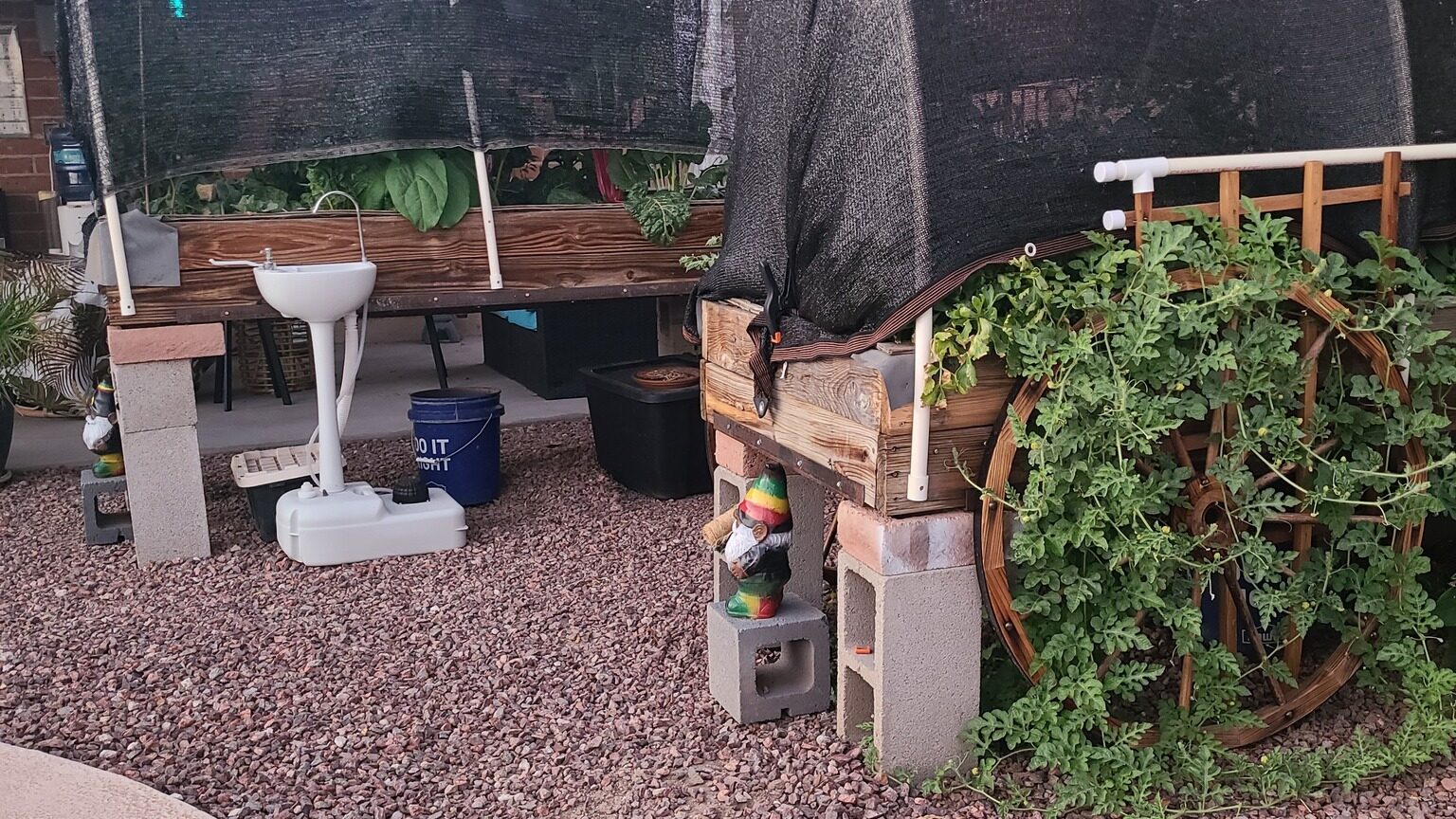
Transforming a simple backyard into a thriving, self sufficient backyard requires more than planting a few tomato plants. It’s about designing an intentional, functional space where every square foot serves a purpose, whether it’s producing food, storing water, or cooking off-grid. Let’s break it down.
Zoning and layout planning
Before building raised beds or hauling in chickens, you need a plan. Your layout is everything. Start with a sketch of your yard, noting:
- Sunlight patterns (what gets full sun, partial shade, etc.)
- Water access points
- Existing trees, fences, and structures
- Drainage and slope
Once you’ve mapped it out, divide the space into functional “zones”:
- Food production zone: Raised beds, trellises, fruit trees, and perennial vegetables.
- Livestock area (if allowed): Chicken coop, rabbit hutches, or even quail pens.
- Backyard kitchen zone: Outdoor cooking, prep space, and food storage areas.
- Compost and waste management: Hidden but accessible, this is key to nutrient cycling.
- Relaxation and gathering: Even a self sufficient backyard needs a hammock or fire pit.
This method, adapted from permaculture’s zone planning, helps balance productivity with livability. You don’t want chickens next to your kitchen or compost too far from the garden. Smart layout = long-term success.
Food production zones (gardens, chickens, greenhouses)
Food is at the heart of any backyard self sufficiency plan. Here’s what to include:
- Raised garden beds: Improve drainage, soil quality, and access. They’re also easier to protect from pests.
- Polyculture planting: Mix plants to improve biodiversity, reduce disease, and maximize space.
- Greenhouse or hoop house: Extend your growing season or even grow year-round in colder regions.
- Backyard chickens: One of the simplest ways to add protein to your food system. Chickens also reduce food waste and provide natural fertilizer.
- Vertical growing: Use trellises and containers to grow cucumbers, beans, and tomatoes upward rather than outward.
- Backyard survival garden: Grow high-calorie, nutrient-dense crops like potatoes, squash, beans, and kale. These can sustain you if supply chains falter.
Even a small urban lot can grow hundreds of pounds of food annually when intelligently designed.
Water access and rainwater harvesting
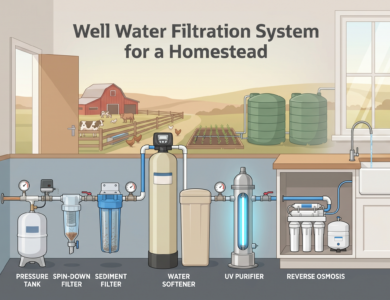
Water is non-negotiable. Without it, your backyard fails. Most American backyards rely entirely on municipal water, but rainwater harvesting changes that.
Key components to include:
- Rain barrels or IBC totes connected to downspouts
- Gutter filters to keep debris out
- Gravity-fed irrigation systems
- Swales and berms to slow runoff and direct water to garden zones
Some states regulate rainwater collection, so check your local laws. That said, even a single 55-gallon barrel can water a garden for days, and in a drought, that’s priceless.
Energy and off-grid utilities
While not every backyard will go fully off-grid, integrating small-scale utilities builds resilience. Think about:
- Solar panels: Power an outdoor fridge, lights, or water pumps.
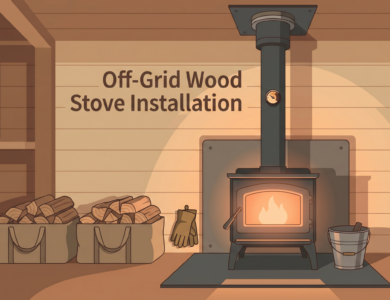
- Outdoor wood stove: A heat source and cooking tool combined.
- Rocket stove or solar oven: Cook meals with sticks or sunshine, no propane needed.
- Compost toilets or graywater systems: Advanced, but incredibly effective for off-grid setups.
These systems aren’t just for rural homesteaders. Even a suburban homestead can incorporate these elements discreetly and legally, especially when paired with energy-efficient design.
Building the perfect backyard kitchen
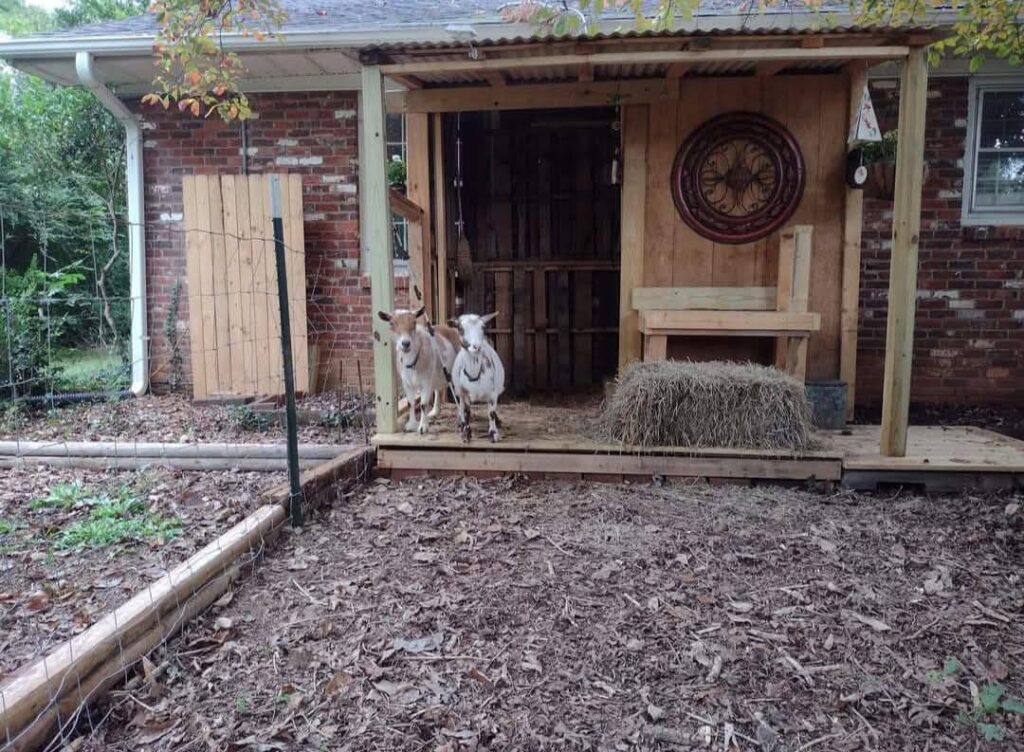
Creating a backyard kitchen isn’t just about convenience or aesthetics, it’s a cornerstone of the self sufficient backyard lifestyle. Cooking outside saves energy, keeps the house cool in summer, and connects you more deeply to the food you’ve grown. Whether you’re preserving tomatoes, baking bread in a wood-fired oven, or preparing a quick garden-to-table meal, an outdoor cooking station changes everything.
Why outdoor kitchens matter in a self-sufficient lifestyle
Think about it: You’ve harvested vegetables from the garden, maybe butchered a chicken, and collected rainwater for washing. The next logical step? Preparing and cooking your meals right there, on-site.
Here’s why a backyard kitchen is essential:
- Energy independence: Cooking outdoors reduces your reliance on electric stoves and ovens.
- Food preservation: You can water-bath can, dehydrate, or ferment foods outside without heating your home.
- Emergency readiness: In a power outage or disaster scenario, your outdoor setup keeps you fed and functional.
- Social connection: Outdoor kitchens create natural gathering spaces, perfect for potlucks, canning days, or weekend feasts.
A well-designed outdoor kitchen is about more than grilling burgers. It’s a workspace for every stage of food prep, from washing and chopping to cooking and serving.
Cooking methods (rocket stove, wood oven, grill, solar cooker)
No two outdoor cooking stations look the same, but most successful setups use a combination of cooking methods to adapt to weather, time constraints, and fuel availability.
1. Rocket stove
Efficient, low-smoke, and fueled by twigs or small branches, rocket stoves are ideal for boiling water, frying, or slow-cooking meals off-grid.
2. Outdoor wood oven
Perfect for bread, pizza, roasting vegetables, or smoking meat. Once built (often with cob or brick), these ovens retain heat for hours and provide unmatched flavor and versatility.
3. Propane or charcoal grill
Still one of the easiest, most familiar options for backyard cooking. While not “off-grid” in the strict sense, it’s practical, especially in transitional phases.
4. Solar cooker
For truly passive cooking, a solar oven is a game-changer. On sunny days, it can bake casseroles, dehydrate fruit, or sterilize jars with zero fuel input.
5. Open fire pit with tripod or grill grate
The oldest cooking method, and one of the most satisfying. It requires some skill and attention but offers flexibility for larger gatherings and bulk cooking.
Smart homesteaders often use a combination of methods to keep their systems redundant and functional year-round.
Building tips and materials
When designing your backyard kitchen, think durability, simplicity, and sustainability. You’ll want:
- Non-flammable surfaces: Brick, stone, or concrete for fire safety and longevity
- Weatherproof counters: Sealed butcher block, stainless steel, or reclaimed stone slabs
- Storage: Waterproof bins for utensils, spices, and cookware
- Prep area: A clean, shaded space to chop, wash, and season food
- Shelter: A simple metal roof or pergola to allow year-round use
Reclaimed materials are gold here. An old sink becomes a wash station. Discarded pallets become prep tables. And cinder blocks? Endless potential.
Safety and weatherproofing
Your off-grid backyard kitchen should work in rain, shine, and even wind. That means:
- Roof cover to protect tools and firewood
- Adequate ventilation for smoke-producing appliances
- Fire extinguisher and burn-proof gloves nearby
- Non-slip flooring: Gravel, concrete, or wood chips
You’re not just building for summer cookouts. You’re building for year-round use, off-grid resilience, and long-term functionality.
Creating a year-round food system
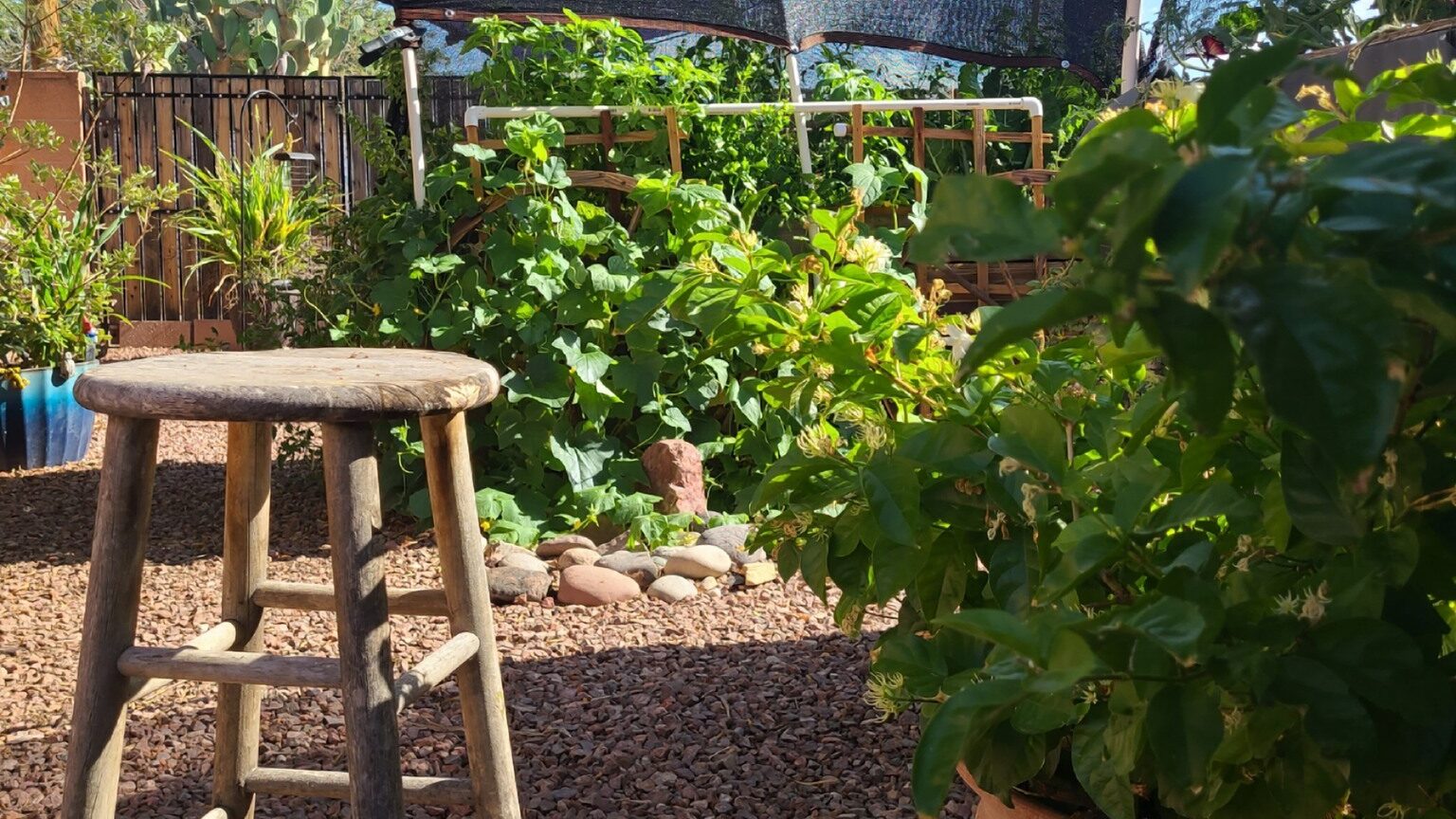
A truly self sufficient backyard doesn’t just feed you in July and August. It supports your family through all four seasons, which means planning not just for harvest, but for storage, soil health, and continual production. Whether you’re preserving surplus tomatoes, harvesting kale in January, or prepping compost for spring, long-term sustainability begins here.
Raised beds and compost
If you had to start with just one thing, skip the fruit trees and chickens and invest in raised beds. They’re the workhorses of the backyard garden, allowing for:
- Better drainage and soil aeration
- Early spring warming (they thaw faster than in-ground beds)
- Less bending and easier maintenance
- Better pest and weed control
You can build them from wood, galvanized steel, stone, or even repurposed bricks. Aim for beds no wider than 4 feet, so you can reach the middle without stepping on the soil, and as long as space allows.
Tip: Combine raised beds with companion planting (like tomatoes with basil, or carrots with onions) to maximize space and minimize pest problems.
But soil depletes fast. That’s where compost comes in.
A healthy compost system is the engine of backyard self sufficiency. It recycles kitchen scraps, garden clippings, animal bedding, and even cardboard into nutrient-rich humus.
Best practices:
- Maintain a 2:1 carbon-to-nitrogen ratio (think leaves/straw vs. kitchen scraps/manure)
- Turn it regularly for airflow
- Keep it moist but not soggy
You don’t need fancy equipment, just a three-bin setup made from pallets can serve a medium-sized garden beautifully.
Edible landscaping and permaculture
A self sufficient backyard doesn’t have to look like a farm. In fact, many homesteaders are turning to edible landscaping and backyard permaculture to make their properties both productive and beautiful.
Think of it as functional aesthetics. Every plant earns its place by feeding your family, your soil, or your pollinators.
Here’s what to consider:
- Herb spirals: Compact, beautiful, and useful, these spiral gardens are great near the kitchen
- Berry bushes as hedges: Blueberries, raspberries, gooseberries, all attractive and functional
- Fruit trees: Dwarf varieties fit in smaller yards and can be espaliered along fences
- Nitrogen fixers: Like clover or comfrey, to feed your soil and act as green mulch
- Pollinator strips: Mix wildflowers and medicinal herbs to support bees and beneficial insects
Permaculture principles like stacking functions and using the edges help you produce more with less effort, and they naturally evolve with your landscape.
This approach is ideal for the suburban homestead, where blending into neighborhood norms may be necessary.
Food storage: root cellars, drying, canning
Growing food is only half the battle. Backyard food systems must include ways to store and preserve that food for fall and winter.
Here’s how self-sufficient families are doing it:
1. Root cellars (or alternatives)
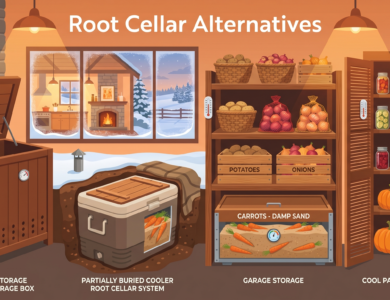
If you can dig, you can store. Root cellars keep potatoes, carrots, beets, and other crops fresh for months. No cellar? Try a buried cooler, an insulated box in your garage, or a basement corner outfitted with shelves and ventilation.
2. Drying and dehydrating
Use a solar dehydrator or plug-in unit to preserve apples, herbs, tomatoes, and even jerky. Dried food stores compactly and lasts for months without refrigeration.
3. Canning and fermenting
Water bath canning for fruits and pickles; pressure canning for meats and low-acid vegetables. Fermenting (like sauerkraut or kimchi) requires no electricity and boosts gut health.
4. Cold storage pantry
A well-ventilated closet or spare room can double as a cool pantry. Store onions, garlic, winter squash, and canned goods.
A robust food system in the backyard is only as good as your ability to store it without waste. The goal isn’t just abundance, it’s security.
Case studies: suburban and rural self-sufficient backyards
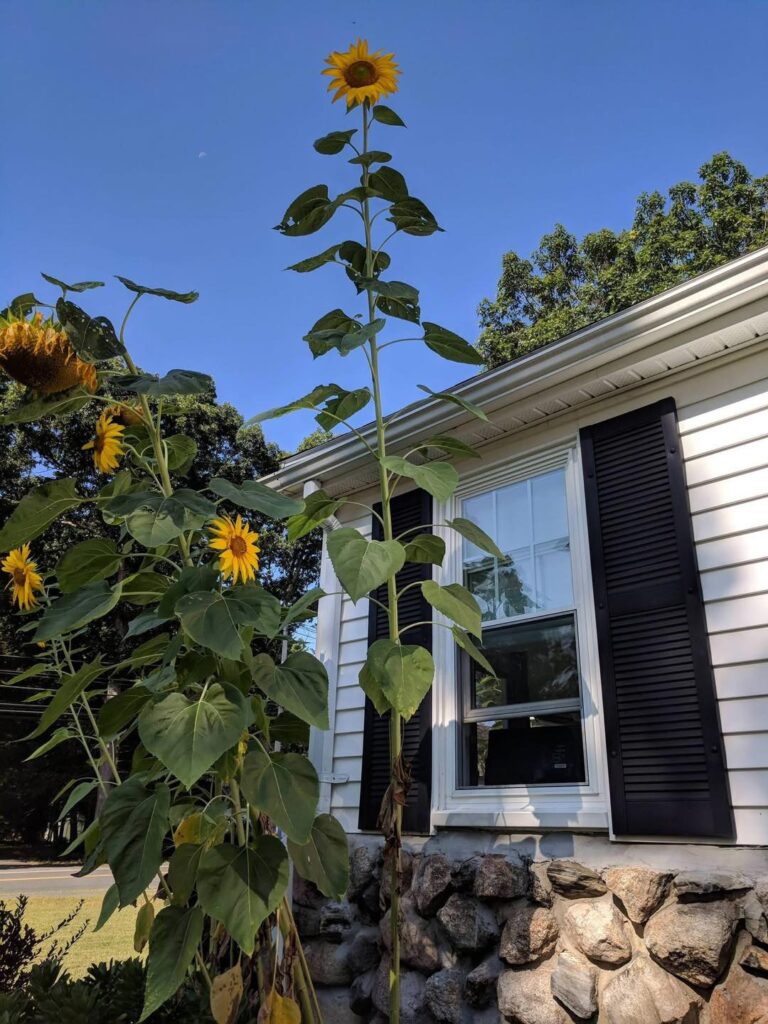
When you imagine “the self sufficient backyard,” you might picture five acres, goats, and a full-time homesteader. But the reality is much broader. From small suburban lots to expansive rural homesteads, people across America are building diverse, productive, and resilient backyards.
Let’s look at two real-world profiles: one suburban, one rural, both thriving.
Case Study 1: Suburban homestead on 0.18 acres – Denver, Colorado
Meet Lauren and James, a young couple with two kids and a golden retriever, living in a modest three-bedroom home just outside of Denver. Their suburban homestead sits on a standard city lot, but what they’ve done with it is anything but standard.
Features:
- 6 raised garden beds built from recycled cedar planks
- Two dwarf apple trees, one cherry, and a raspberry hedge
- A backyard kitchen with a small rocket stove and covered prep area
- Three laying hens housed in a coop that doubles as a compost tumbler
- A 275-gallon rainwater harvesting system tucked along the fence
- A solar cooker used for summertime baking and water sterilization
Lauren works part-time from home and spends mornings in the garden with her kids. “It’s our classroom, grocery store, and therapy space all in one,” she says.
In 2024, their yard produced:
- 250 lbs. of vegetables
- 600 eggs
- 20 jars of canned tomatoes
- Enough herbs to dry for winter teas and soups
They’re not fully food independent, but they’ve cut their grocery bill by 40%, and they’re continuing to expand. Their next project: adding edible landscaping along the front yard to normalize urban food production in their neighborhood.
Case Study 2: Rural homestead on 3.5 acres – Tennessee hills
About 1,400 miles away, near Cookeville, Tennessee, lives Michael, a retired firefighter turned full-time homesteader. His off-grid backyard is more like a compact ecosystem.
Features:
- A solar-powered outdoor cooking station with a cob-built wood oven
- Raised beds integrated with swales for passive watering
- A 10×20-foot greenhouse producing food year-round
- Backyard survival garden focused on calorie-dense crops: potatoes, beans, squash
- Chickens, ducks, and a pair of dairy goats
- A graywater system that recycles kitchen water for orchard irrigation
- Root cellar built into a hillside using stone and reclaimed lumber
Michael’s homestead now provides 80–90% of his food. “I haven’t bought produce or eggs in three years,” he says. His monthly grocery store visits are limited to bulk staples like oats, salt, and cooking oil.
He sells extra eggs and garlic at a local market, reinvesting that income into his growing operation.
His advice? “Start with the food. Build your systems one at a time. And always, always, plan for water.”
These stories demonstrate a powerful truth: you don’t need to live off the grid to live off your land. Whether you’re managing 3 acres or 3 raised beds, every step toward backyard self sufficiency counts.
You can cook, preserve, grow, and collect, right where you are.
Mistakes to avoid when building a backyard homestead
Creating a self sufficient backyard is exciting, empowering, and, let’s be honest, a bit overwhelming. Many beginners dive in with enthusiasm but find themselves burnt out, broke, or stuck with an overgrown mess. Why? Because good intentions don’t replace smart planning.
Let’s look at the most common mistakes, and how to avoid them.
1. Doing too much, too fast
This is hands-down the #1 mistake. You watch a few YouTube videos, read a book, and suddenly you’re building raised beds, setting up a backyard kitchen, and ordering baby chicks, all in the same weekend.
What usually happens next?
- The soil isn’t ready.
- The chickens arrive before the coop is secure.
- You get overwhelmed, discouraged, and maybe give up.
Fix it: Start small. Begin with a single raised bed or a compact herb garden. Get that working smoothly before expanding. Build systems gradually, one season at a time.
2. Ignoring zoning laws and HOA rules
Especially in suburban areas, people forget to check the legal side. You build a chicken coop or start collecting rainwater, only to receive a notice from your city or homeowners’ association.
Fix it: Always check your local ordinances before adding livestock, large structures, or water systems. And when possible, design your suburban homestead to blend in, use tasteful fencing, noise barriers, and edible landscaping that looks decorative.
3. Poor water planning
Water access can make or break your food system. Many beginners assume their garden hose is enough, until a drought, water ban, or surprise utility bill proves otherwise.
Fix it: Plan your rainwater harvesting system early. Even a single barrel helps. Use mulch, drip irrigation, and shade cloths to conserve water. And design your garden layout to take advantage of natural slope and drainage.
4. Forgetting food storage
Growing food is just half the equation. If you don’t preserve it, it’ll rot on your counter or overcrowd your fridge.
Fix it: Set up basic preservation systems before harvest season: a shelf-stable pantry, drying rack, or canning supplies. If you don’t have a root cellar, use a basement or cool garage corner.
Start with the basics, garlic braids, dried herbs, canned tomatoes, and grow from there.
5. Skipping soil health
Too many first-time growers dump in some bagged soil, plant seeds, and expect miracles. Within weeks, they’re battling disease, pests, and stunted plants.
Fix it: Invest in your soil first. Build compost. Use cover crops and raised beds. Rotate plantings. Feed the soil, and it will feed you.
6. Lack of redundancy
One grill. One garden bed. One water source. What happens when it fails?
Fix it: Build layered systems. Use multiple cooking methods (rocket stove + grill + solar cooker). Store food in multiple ways (drying, canning, cool storage). Collect water from more than one downspout. Redundancy equals resilience.
7. Forgetting to enjoy it
Sometimes, the homestead dream turns into a full-time chore list. You get so focused on output that you forget the joy, morning dew on kale leaves, the smell of wood smoke, the pride in your first canned jar.
Fix it: Design with joy in mind. Add a hammock. Schedule downtime. Include family and friends. Your self sufficient backyard should serve your life, not consume it.
Final checklist: Your self sufficient backyard essentials
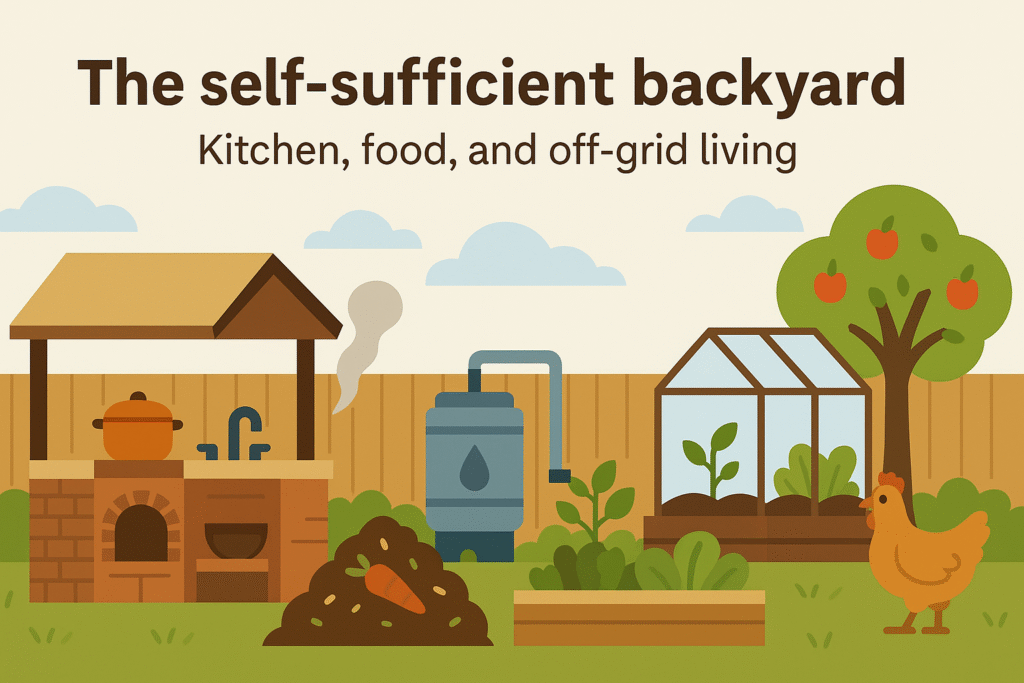
Building a self sufficient backyard isn’t about perfection, it’s about progress. Whether you’re just starting out or refining your setup, this checklist will help you stay focused on what matters most. Bookmark it, print it, or tape it to your garden shed door.
Here are the core elements every self-reliant homesteader should aim to include:
Infrastructure & Layout
- ☐ Create a zoned layout plan (garden, livestock, kitchen, storage, etc.)
- ☐ Map out sunlight, drainage, and water access
- ☐ Build accessible paths, raised beds, and work areas
Food Production
- ☐ Install raised beds with healthy soil
- ☐ Grow a backyard survival garden with staple crops
- ☐ Integrate edible landscaping and perennial food plants
- ☐ Consider a small greenhouse or cold frame for season extension
- ☐ Add chickens or small livestock if legally allowed
Water Management
- ☐ Set up rainwater harvesting (barrels, gutters, filters)
- ☐ Use mulch and drip irrigation to conserve water
- ☐ Design garden layout for passive water capture (swales, berms)
Backyard Kitchen
- ☐ Build an outdoor cooking station with at least two cooking methods
(e.g., rocket stove, outdoor wood stove, grill, solar cooker) - ☐ Include prep space, fire safety gear, and weather protection
- ☐ Use reclaimed or natural materials when possible
Soil & Compost
- ☐ Start a compost system (bin, pile, or tumbler)
- ☐ Rotate crops and amend soil seasonally
- ☐ Use natural fertilizers: compost tea, manure, green mulch
Food Storage & Preservation
- ☐ Designate a cool pantry or space for root storage
- ☐ Stock up on canning supplies and jars
- ☐ Set up a solar dehydrator or indoor drying area
- ☐ Learn basic fermentation (sauerkraut, pickles, yogurt)
Energy & Off-Grid Options
- ☐ Consider a solar panel setup for lights or irrigation
- ☐ Install a rocket stove or outdoor wood stove for off-grid cooking
- ☐ Explore basic graywater recycling for irrigation
- ☐ Use manual or solar tools to reduce energy dependency
Lifestyle Integration
- ☐ Include a space for relaxation (firepit, hammock, outdoor seating)
- ☐ Schedule seasonal tasks (planting, preserving, building)
- ☐ Involve family or neighbors in projects
- ☐ Track savings, harvest yield, and lessons learned
This checklist isn’t a one-size-fits-all solution. Your backyard self sufficiency journey will look different depending on your climate, goals, space, and time. But every box you check brings you one step closer to a more independent, resilient, and fulfilling life.
FAQ
How big does my backyard need to be?
You don’t need acres of land to build a self sufficient backyard. Many homesteaders start with as little as 1/10 of an acre (around 4,000 square feet) and still grow hundreds of pounds of food annually.
If you’re strategic with your layout, integrate vertical gardening, use raised beds, and practice companion planting, you can make a huge impact in even the smallest spaces. The key isn’t size, it’s design and intention.
Can I do this in a suburban area?
Absolutely. The suburban homestead is one of the fastest-growing trends in America. With smart planning and discreet systems, you can grow food, collect rainwater, compost, and even cook off-grid, all within the bounds of a typical neighborhood yard.
Focus on edible landscaping, raised beds, and a small backyard kitchen instead of livestock or loud machinery if you have HOA restrictions. Your neighbors may not even notice, except when you share fresh tomatoes with them.
What is the cheapest way to start a backyard kitchen?
Start with what you have. A basic outdoor cooking station doesn’t have to cost much. Here’s a budget-friendly path:
– Use concrete blocks or reclaimed bricks to build a rocket stove.
– Repurpose an old sink or counter as a prep area.
– Add a cheap canopy or tarp for weatherproofing.
– Use yard sale tools and cookware.
You can cook outside for under $100 if you keep it simple. Over time, add elements like a solar cooker or outdoor wood stove as budget allows.
How long before I see results?
With good soil and planning, you can start harvesting greens within 30 days of planting, even sooner with fast-growers like lettuce or radishes. Tomatoes, squash, and peppers may take 60–90 days.
Backyard self sufficiency is a long game, though. Most people take 2 to 3 years to reach a steady rhythm of planting, preserving, and producing year-round. The key is to track your progress, build seasonally, and learn from each cycle.
Can I be fully food independent from my backyard?
Yes, but it depends on your goals and how much space, time, and planning you commit.
For some, backyard food systems can provide 60–80% of their produce, herbs, and eggs. Others, especially with more land or advanced preservation systems, reach near-total independence, only buying staples like grains, oils, or coffee.
Total self-sufficiency is rare in suburban settings, but food security, seasonal abundance, and deep satisfaction are within reach for nearly everyone.
Keywords
Primary Keywords
- Self sufficient backyard
- Backyard kitchen
- The self sufficient backyard
- How to build a self sufficient backyard
- Backyard self sufficiency
Secondary Keywords
- Outdoor cooking station
- Backyard food systems
- Raised beds and compost
- Rainwater harvesting
- Off-grid backyard
- Suburban homestead
- Backyard permaculture
- Edible landscaping
- Outdoor wood stove
- Backyard survival garden
">Discover Homesteading
Send an email
3 Comments